
Short Answer
Definition of Cyclone Forecasting
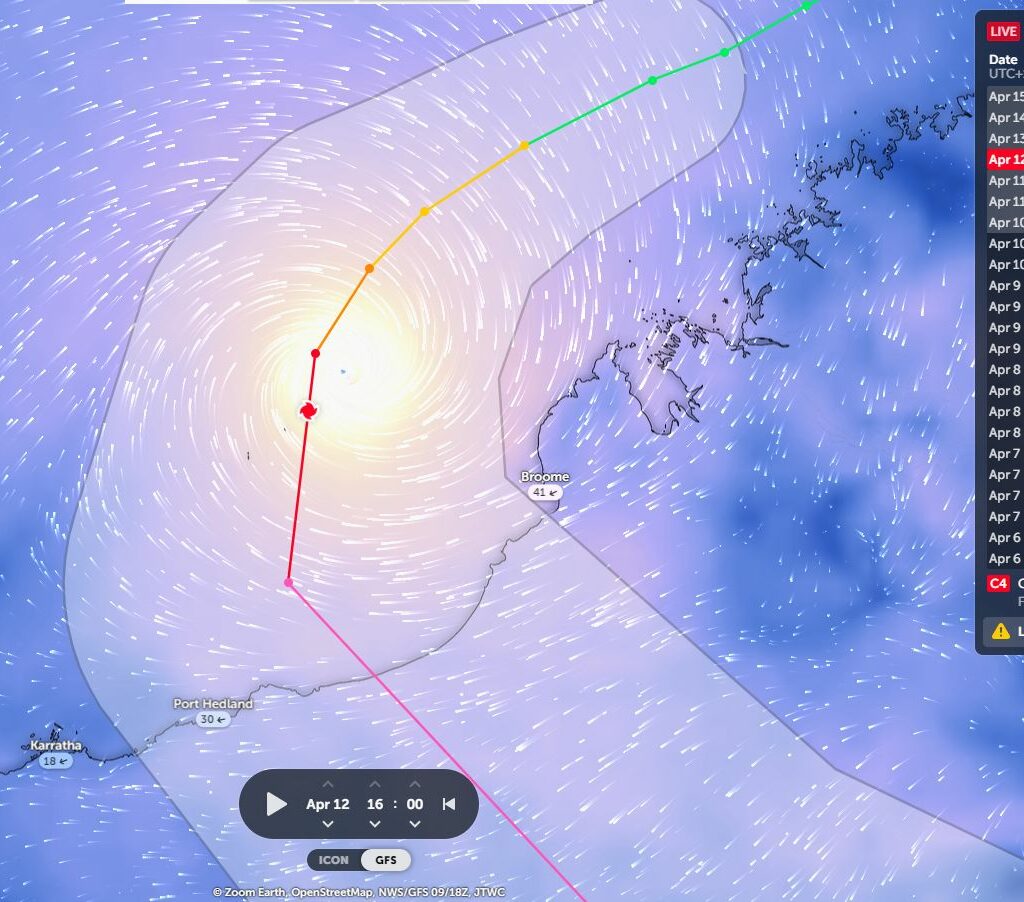
Cyclone forecasting refers to the scientific process of predicting the path, intensity, and potential impacts of tropical cyclones using advanced meteorological techniques and computational models. These forecasts are essential for preparing vulnerable coastal regions against the destructive forces of hurricanes and similar storms.
- Tropical Cyclones:
Intense circular storms originating over warm ocean waters, characterized by strong winds and heavy rainfall. - Forecasting Models:
Computational tools that analyze atmospheric and oceanic data to predict cyclone behavior.
Mechanisms Behind Cyclone Prediction
Forecasting tropical cyclones involves integrating complex algorithms with extensive meteorological data. These models analyze a variety of atmospheric factors such as wind velocity, sea surface temperature, humidity, and pressure systems. By combining historical storm data with real-time observations, meteorologists can simulate cyclone development and movement. This interdisciplinary approach draws from meteorology, oceanography, and computational science to enhance prediction accuracy.
Impact of Climate Change on Cyclone Behavior
Human-induced climate change is significantly altering the characteristics of tropical cyclones. Rising global temperatures, particularly increases in sea surface temperatures in tropical and subtropical zones, contribute to more frequent and intense storms. Scientific studies indicate that even a 2°C rise in global temperature can exponentially increase cyclone strength, potentially leading to the emergence of super cyclones with devastating power. Consequently, forecasting models must evolve to incorporate these shifting climatic conditions to maintain reliability.
Numerical Weather Prediction and Atmospheric Dynamics
At the core of cyclone forecasting lies Numerical Weather Prediction (NWP), which uses mathematical models to simulate atmospheric processes on a grid-based system. Recent advancements have produced high-resolution NWP models capable of more precisely tracking cyclone paths. However, the chaotic nature of the atmosphere-exemplified by the butterfly effect-introduces inherent unpredictability. Small variations in initial conditions can lead to vastly different outcomes, posing a fundamental challenge to deterministic forecasting.
Ensemble Forecasting: Embracing Uncertainty
To address the unpredictability in cyclone forecasts, meteorologists increasingly use ensemble forecasting. This technique involves running multiple simulations with slight variations in initial data to generate a range of possible cyclone scenarios. By presenting a spectrum of outcomes rather than a single forecast, ensemble methods provide a probabilistic understanding of storm behavior. This approach supports more informed decision-making and enhances preparedness by highlighting potential risks and uncertainties.
Lessons from Hurricane Katrina: Societal Preparedness and Response
The devastation wrought by Hurricane Katrina in 2005 exposed critical weaknesses in emergency management and community resilience. Inadequate evacuation procedures, resource shortages, and infrastructure failures compounded the disaster’s impact on Gulf Coast populations. These shortcomings underscore the necessity of integrating social sciences and policy-making with meteorological forecasting to translate predictions into effective action plans and resilience strategies.
Infrastructure and Community Resilience
Improving cyclone preparedness requires investment in both physical and social infrastructure. Physical measures include strengthening levees, canals, and emergency shelters to withstand storm surges and flooding. Equally important is fostering social resilience through community education, disaster training programs, and public awareness campaigns. Engaging local populations in preparedness initiatives helps mitigate the adverse effects of cyclones and promotes a culture of readiness.
Equity and Accessibility in Cyclone Preparedness
Climate-related disasters disproportionately affect marginalized and vulnerable communities, who often lack the resources to prepare for or recover from cyclones. Ensuring equitable access to forecasting information and emergency services is a critical component of comprehensive disaster management. Inclusive systems must be developed to guarantee that all individuals, regardless of socioeconomic status, can receive timely warnings and take appropriate protective measures.
Why Cyclone Forecasting is Crucial
Accurate cyclone forecasting is vital for minimizing loss of life, reducing economic damage, and enhancing community resilience. As climate change intensifies storm activity, the ability to predict cyclone behavior with greater precision becomes increasingly important. Moreover, integrating scientific advancements with social equity and infrastructure development forms the foundation of effective disaster risk management, ultimately safeguarding lives and livelihoods.
Common Misconceptions About Cyclone Forecasting
Cyclone forecasts provide exact predictions.
Due to atmospheric chaos, forecasts offer probabilistic scenarios rather than absolute certainties.
Only physical infrastructure matters in cyclone preparedness.
Social infrastructure, including education and community engagement, is equally essential for effective disaster response.
Climate change has no impact on cyclone intensity.
Rising global temperatures significantly influence cyclone frequency and strength, necessitating model adjustments.
FAQ
What is cyclone forecasting?
Cyclone forecasting is the scientific process of predicting the path, intensity, and potential impacts of tropical cyclones using advanced meteorological techniques.
How does climate change affect cyclones?
Climate change leads to rising sea surface temperatures, increasing the frequency and intensity of cyclones.
What are some common misconceptions about cyclone forecasting?
Common misconceptions include the belief that forecasts provide exact predictions or that only physical infrastructure matters in preparedness.




Leave a Reply