
Short Answer
Definition of Gossamer Nanoweb
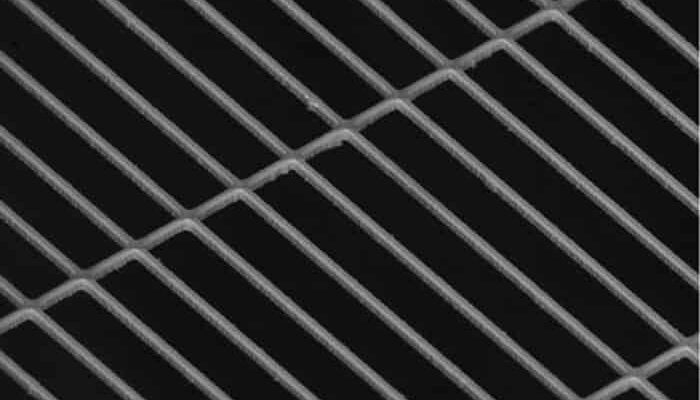
The Gossamer nanoweb is an innovative nanostructured material characterized by an ultra-lightweight, flexible framework designed to effectively block light. Composed of intricately woven nanoscale fibers, this material combines delicate aesthetics with exceptional strength and durability. Its unique architecture enables it to manipulate light transmission, making it a promising candidate for various technological applications.
- Nanostructured Composition:
The nanoweb consists of fibers at the nanoscale, often fabricated from polymers or metals, arranged in a web-like pattern that is both minimalistic and robust. - Light-Blocking Capability:
Despite its ethereal appearance, the Gossamer nanoweb exhibits superior ability to scatter and absorb light, reducing photon transmission effectively. - Physical Properties:
It maintains a balance between fragility and resilience, resulting in a material that is lightweight yet strong enough for practical use.
Structural Characteristics and Light Interaction
At the microscopic level, the Gossamer nanoweb’s surface is marked by numerous irregularities and interfaces that interact with incoming light. These features cause scattering and absorption phenomena, which attenuate the light passing through the material. This attenuation varies depending on the wavelength and intensity of the incident light, making the nanoweb suitable for selective light filtering.
The interplay between the nanoweb’s structure and light is crucial for its function in applications such as optical filters, solar energy devices, and camouflage technologies. However, the environmental and biological effects of widespread light attenuation by such materials require careful consideration.
Applications Across Industries
The versatility of the Gossamer nanoweb opens doors to numerous practical uses:
- Solar Energy Enhancement:
By selectively blocking certain wavelengths and minimizing reflective losses, the nanoweb can improve the efficiency of photovoltaic cells, boosting solar panel performance. - Telecommunications:
In optical networks, the nanoweb can be utilized to control light pathways, enhancing signal clarity and fidelity. - Advanced Camouflage:
Its light-blocking properties can be harnessed to develop materials that provide superior concealment by manipulating light reflection and transmission.
Despite these promising applications, scaling up production while maintaining material quality remains a significant challenge.
Manufacturing Challenges and Scalability
Producing Gossamer nanowebs on an industrial scale involves complex fabrication techniques such as electrospinning and chemical vapor deposition. These methods, while effective, are often expensive and time-intensive, posing obstacles to mass production.
The key challenge lies not only in increasing output but also in preserving the nanoweb’s consistent properties across large batches. Industry stakeholders face a critical decision: prioritize rapid manufacturing at the risk of compromising performance, or develop balanced approaches that ensure both scalability and quality.
Environmental Considerations and Sustainability
The environmental footprint of Gossamer nanoweb production and disposal is an important factor as demand grows. Many of the polymers used are non-biodegradable, raising concerns about long-term ecological impact if waste is not properly managed.
Adopting circular economy principles-such as recycling and reusing materials-could mitigate these effects by reducing waste and promoting sustainable manufacturing practices. Responsible lifecycle management is essential to minimize the ecological consequences associated with this emerging technology.
Cultural and Philosophical Implications
The introduction of the Gossamer nanoweb challenges traditional perceptions of material functionality, especially regarding lightweight and translucent substances. Historically viewed as less practical, these materials now demonstrate that aesthetic delicacy can coexist with high performance.
This paradigm shift invites designers and engineers to rethink how form and function can be integrated, potentially influencing future material science developments and design philosophies.
Potential Risks and Ethical Considerations
While the Gossamer nanoweb offers numerous benefits, it also necessitates cautious evaluation of unintended consequences. The widespread use of light-blocking nanomaterials could disrupt natural processes, such as photosynthesis in plants, by altering light availability in ecosystems.
Ongoing research and regulatory oversight are vital to monitor and mitigate any adverse environmental or biological effects, ensuring that technological progress aligns with ecological stewardship and ethical responsibility.
Summary and Future Outlook
The Gossamer nanoweb represents a groundbreaking fusion of nanotechnology and light management, with transformative potential in renewable energy, telecommunications, and beyond. Its development highlights the intricate balance between innovation, scalability, environmental sustainability, and cultural impact.
As society increasingly relies on advanced materials, the challenge remains to harness these technologies responsibly-maximizing their advantages while minimizing ecological and ethical risks. The evolving discourse around the Gossamer nanoweb exemplifies the dynamic interplay between scientific ingenuity and the imperative for conscientious application.
FAQ
What is a Gossamer nanoweb?
A Gossamer nanoweb is a lightweight, flexible nanostructured material that blocks light and is used in various applications.
What are the main applications of Gossamer nanoweb?
It is used in solar energy, telecommunications, optical filtering, and advanced camouflage.
What are the manufacturing challenges of Gossamer nanowebs?
Challenges include complex fabrication techniques and the need to maintain consistent material properties at scale.
What are the environmental considerations for Gossamer nanoweb production?
The use of non-biodegradable polymers raises concerns about long-term ecological impact.




Leave a Reply