
Short Answer
Definition of Carbon Nanotube Armor
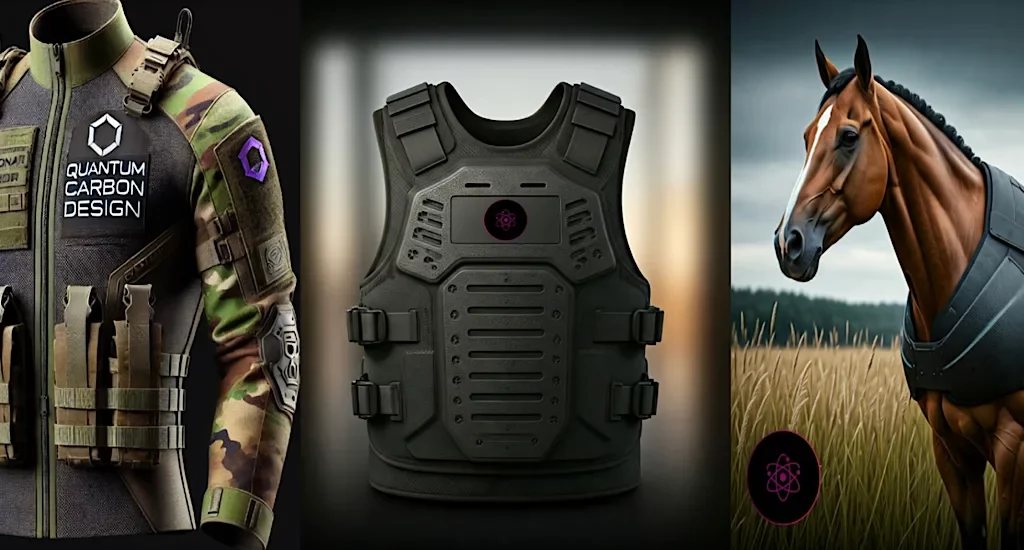
Carbon nanotube armor represents an innovative class of protective materials composed of carbon nanotubes (CNTs), which are cylindrical nanostructures made entirely of carbon atoms arranged in a hexagonal lattice similar to graphene. This armor aims to combine extraordinary strength with minimal weight, offering a revolutionary alternative to conventional bulletproof materials. By leveraging the unique mechanical, thermal, and electrical properties of CNTs, this technology aspires to deliver enhanced ballistic protection while maintaining wearer comfort and mobility.
- Carbon Nanotubes (CNTs):
Hollow cylindrical molecules formed by carbon atoms arranged in hexagonal patterns, exhibiting exceptional tensile strength and flexibility. - Armor Application:
Integration of CNTs into composite materials to create lightweight, durable, and flexible protective gear capable of withstanding ballistic impacts.
Mechanical and Structural Properties
Carbon nanotubes possess tensile strengths estimated to be over 100 times greater than steel, yet they are significantly lighter than traditional armor materials. This remarkable strength-to-weight ratio makes CNTs ideal candidates for next-generation protective gear. Their molecular structure also imparts superior flexibility and resilience, enabling them to absorb and dissipate energy from impacts rather than merely deforming or fracturing.
Unlike rigid armor that can crack or lose integrity upon high-velocity impacts, CNT-based materials can effectively “bounce” or deflect projectiles, reducing damage and enhancing survivability. The challenge lies in optimizing the alignment and layering of nanotubes within composites to maximize these protective qualities while ensuring the armor remains comfortable and does not restrict movement.
Composite Design and Material Integration
To harness the full potential of carbon nanotubes, researchers are developing composite systems that combine CNTs with polymers and other high-performance fabrics. These multilayered structures aim to balance lightweight characteristics with enhanced durability, enabling protection against a broad range of ballistic threats-from low-caliber bullets to high-velocity projectiles.
By engineering the interfaces between CNTs and matrix materials, scientists can tailor the mechanical properties of the armor, improving impact resistance, flexibility, and longevity. This approach also allows for customization of the armor’s performance based on specific operational requirements.
Advanced Functionalities: Smart Armor Capabilities
Beyond mechanical protection, carbon nanotube armor offers the possibility of integrating smart functionalities due to the tunable thermal and electrical properties of CNTs. This opens avenues for developing armor that can sense environmental changes, detect impacts, and communicate real-time threat information to the wearer or connected systems.
Potential applications include embedded sensors for monitoring structural integrity, adaptive responses to varying threat levels, and integration with communication devices for enhanced situational awareness. However, these advancements also raise ethical questions regarding privacy, surveillance, and the militarization of civilian protective gear.
Manufacturing Challenges and Scalability
Despite the promising attributes of CNT armor, large-scale production remains a significant hurdle. Current synthesis methods for high-quality carbon nanotubes are costly and complex, limiting widespread adoption. Maintaining consistent material quality during mass production is critical to preserving the armor’s protective properties.
Researchers are exploring innovative manufacturing techniques to reduce costs and improve scalability, such as chemical vapor deposition and advanced composite fabrication methods. Overcoming these challenges is essential for transitioning CNT armor from laboratory prototypes to commercially viable products.
Environmental Durability and Longevity
The performance of carbon nanotube armor is influenced not only by its intrinsic material properties but also by external environmental factors. Exposure to humidity, temperature fluctuations, and chemical agents can degrade the armor’s effectiveness over time.
Ongoing studies focus on enhancing the environmental resistance of CNT composites to ensure long-term durability in diverse operational conditions. Protective coatings and material treatments are being developed to mitigate degradation and maintain consistent performance throughout the armor’s service life.
Ethical and Societal Implications
The deployment of advanced carbon nanotube armor introduces complex ethical considerations. While offering superior protection, the integration of smart technologies and enhanced capabilities may impact privacy, surveillance, and the balance between security and civil liberties.
In military contexts, such armor could shift strategic dynamics, potentially escalating arms races or altering combat tactics. For civilian use, questions arise about equitable access, regulatory oversight, and the societal consequences of widespread adoption of interactive protective gear.
Future Prospects and Impact
Carbon nanotube armor holds transformative potential to redefine personal protection by delivering lightweight, flexible, and highly resilient materials. As research progresses, this technology could revolutionize safety equipment for military personnel, law enforcement, and civilians alike.
The ongoing quest to perfect CNT-based armor embodies a convergence of scientific innovation, ethical reflection, and technological advancement. Its success will depend not only on overcoming technical challenges but also on navigating the broader implications for society and security in an evolving world.
Frequently Asked Questions (FAQ)
What are carbon nanotubes and why are they significant in armor development?
Carbon nanotubes are nanoscale cylindrical structures made of carbon atoms arranged in a hexagonal lattice. Their exceptional strength and light weight make them ideal for creating advanced armor that offers superior protection without the bulk of traditional materials.
How does carbon nanotube armor differ from conventional bulletproof materials?
Unlike traditional armor, CNT armor is much lighter and more flexible while providing tensile strength over 100 times that of steel. Its unique structure allows it to dissipate impact energy by deflecting projectiles rather than simply absorbing force.
What obstacles exist in manufacturing carbon nanotube armor?
Key challenges include the high cost of producing high-quality CNTs, difficulties in scaling up manufacturing processes, maintaining consistent material properties, and ensuring durability under various environmental conditions.
Can carbon nanotube armor incorporate smart features?
Yes, CNTs can be engineered to exhibit specific thermal and electrical properties, enabling the development of armor that can sense impacts, adapt to threats, and communicate information in real time.
What ethical issues are associated with the use of nanotube armor?
Ethical concerns involve the implications of deploying interactive armor in both military and civilian settings, potential privacy and surveillance risks, and the societal impact of advanced protective technologies on security and freedom.
FAQ
What are carbon nanotubes and why are they important in armor technology?
Carbon nanotubes are cylindrical nanostructures made of carbon atoms with exceptional strength and light weight, making them ideal for developing advanced, lightweight bulletproof armor.
How does nanotube armor differ from traditional bulletproof materials?
Nanotube armor is significantly lighter and more flexible than traditional armor while offering strength over 100 times that of steel, and its unique structure allows it to dissipate energy by bouncing bullets away.
What are the main challenges in producing carbon nanotube armor?
Challenges include high production costs, difficulty in scaling manufacturing, maintaining material quality, and ensuring durability under environmental stress.
Can nanotube armor have smart capabilities?
Yes, carbon nanotubes can be engineered to have specific thermal and electrical properties, enabling the development of smart armor capable of sensing and reacting to threats.
What ethical concerns arise from the use of nanotube armor?
Ethical concerns include the implications of integrating interactive armor in military and civilian use, potential surveillance issues, and the societal impact of advanced protective technologies.




Leave a Reply