
Short Answer
Overview of the Hubble Space Telescope
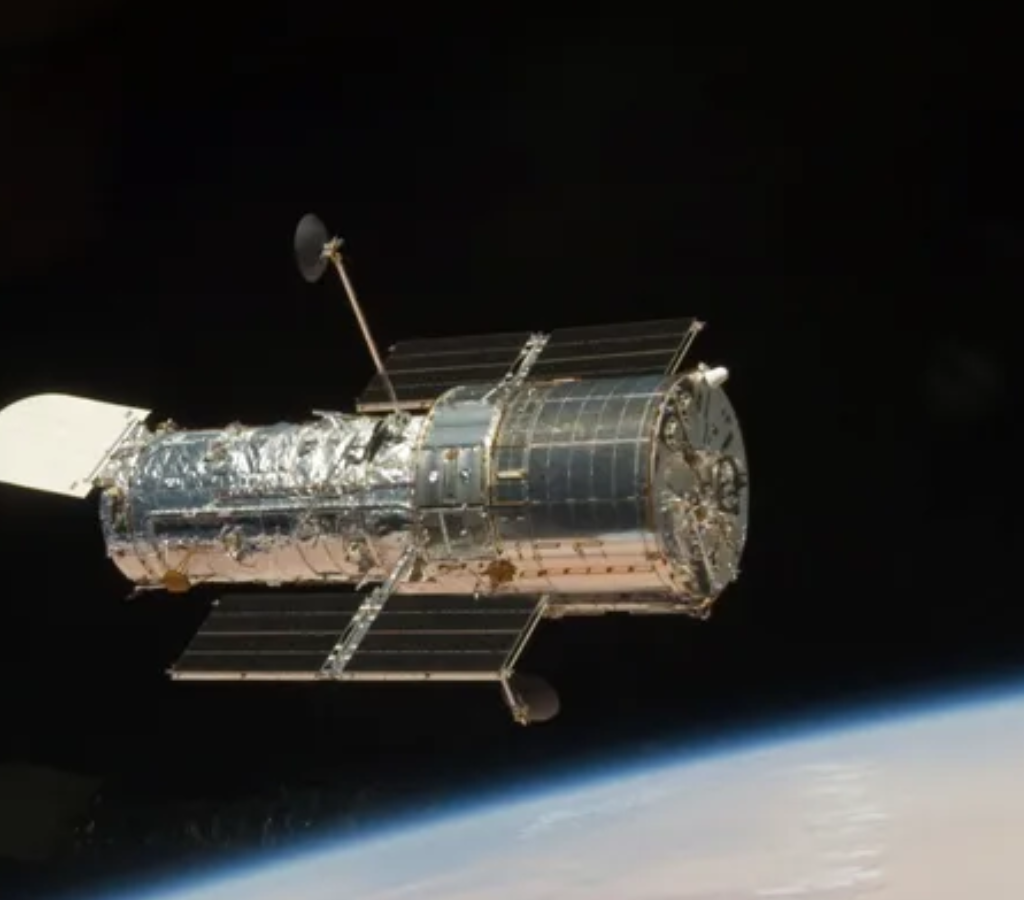
Orbiting Earth as a steadfast sentinel, the Hubble Space Telescope has served as humanity’s premier window into the cosmos for over thirty years. This remarkable observatory has mapped stars, galaxies, and nebulae with extraordinary precision, revolutionizing our understanding of the universe. However, as time advances, questions arise regarding the telescope’s operational future and the possibility of its retirement.
Definition and Historical Significance
The Hubble Space Telescope (HST) is a space-based observatory launched in 1990, designed to capture high-resolution images and spectra of astronomical objects beyond the distortion of Earth’s atmosphere. It has been instrumental in numerous scientific breakthroughs, including measuring the universe’s expansion rate and revealing the intricate structures of distant galaxies.
- Launch and Mission:
Deployed by the Space Shuttle Discovery, Hubble was placed in low Earth orbit to provide an unobstructed view of the cosmos. - Scientific Impact:
Its observations have transformed astrophysics, enabling discoveries from star formation to dark energy.
Challenges of Aging Space Technology
Despite its groundbreaking achievements, Hubble’s hardware faces the inevitable effects of aging in the harsh environment of space. Exposure to intense solar radiation, micrometeoroid collisions, and mechanical wear have gradually degraded its systems. Critical components, such as gyroscopes responsible for precise orientation, have begun to malfunction, threatening the telescope’s ability to maintain accurate targeting of celestial objects.
- Environmental Stressors:
Constant bombardment by space debris and radiation accelerates equipment deterioration. - Mechanical Failures:
Key instruments have become unreliable or ceased functioning, limiting scientific capabilities.
Maintenance and Servicing Efforts
Hubble’s longevity has been extended through a series of servicing missions conducted by astronauts aboard the Space Shuttle. These missions repaired, upgraded, and replaced instruments, allowing the telescope to remain at the forefront of astronomical research. However, with the retirement of the Shuttle program and increasing technical difficulties, future servicing opportunities have become limited.
Transition to Next-Generation Observatories
The James Webb Space Telescope (JWST) represents the next leap forward in space-based astronomy. Positioned at the second Lagrange point (L2), approximately 1.5 million kilometers from Earth, JWST offers a stable environment optimized for infrared observations, enabling it to peer deeper into the universe’s history than Hubble.
- Orbital Advantage:
JWST’s location at L2 minimizes thermal fluctuations and Earth’s interference, enhancing sensitivity. - Expanded Capabilities:
Its advanced instruments can detect phenomena invisible to Hubble’s optical sensors.
Efforts to Extend Hubble’s Operational Life
NASA continues to explore innovative solutions to prolong Hubble’s mission, including proposals for robotic repair missions that could address hardware failures without human intervention. These initiatives aim to sustain Hubble’s valuable contributions alongside JWST and other future observatories, ensuring continuity in astronomical data collection.
Scientific and Cultural Legacy
Beyond its scientific achievements, Hubble has become a cultural icon, inspiring generations through its breathtaking images of cosmic wonders such as the Crab Nebula and the Pillars of Creation. Its extensive data archive remains a cornerstone for ongoing and future research, providing essential calibration and reference points for new discoveries.
Balancing Progress and Preservation
While nostalgia and respect for Hubble’s legacy are strong, practical considerations demand a careful evaluation of resource allocation. Maintaining an aging telescope requires significant investment, which must be weighed against the potential gains from emerging technologies and missions. The scientific community faces the challenge of balancing the preservation of Hubble’s contributions with the pursuit of new frontiers.
Decommissioning and Space Sustainability
Plans for Hubble’s eventual retirement include responsible disposal strategies to prevent it from becoming space debris. Safe deorbiting protocols are critical to preserving the increasingly crowded orbital environment and reflect a broader commitment to sustainable space operations.
Conclusion: The Future of Hubble
The question of whether the Hubble Space Telescope will be retired soon hinges on a complex interplay of technological viability, scientific priorities, and budgetary constraints. While its operational lifespan may be extended through creative interventions, an eventual transition to newer observatories is inevitable. Nevertheless, Hubble’s enduring legacy as a symbol of human curiosity and exploration will continue to illuminate the path toward understanding the universe.



Leave a Reply