
Short Answer
Understanding Cracking in Paint Coatings
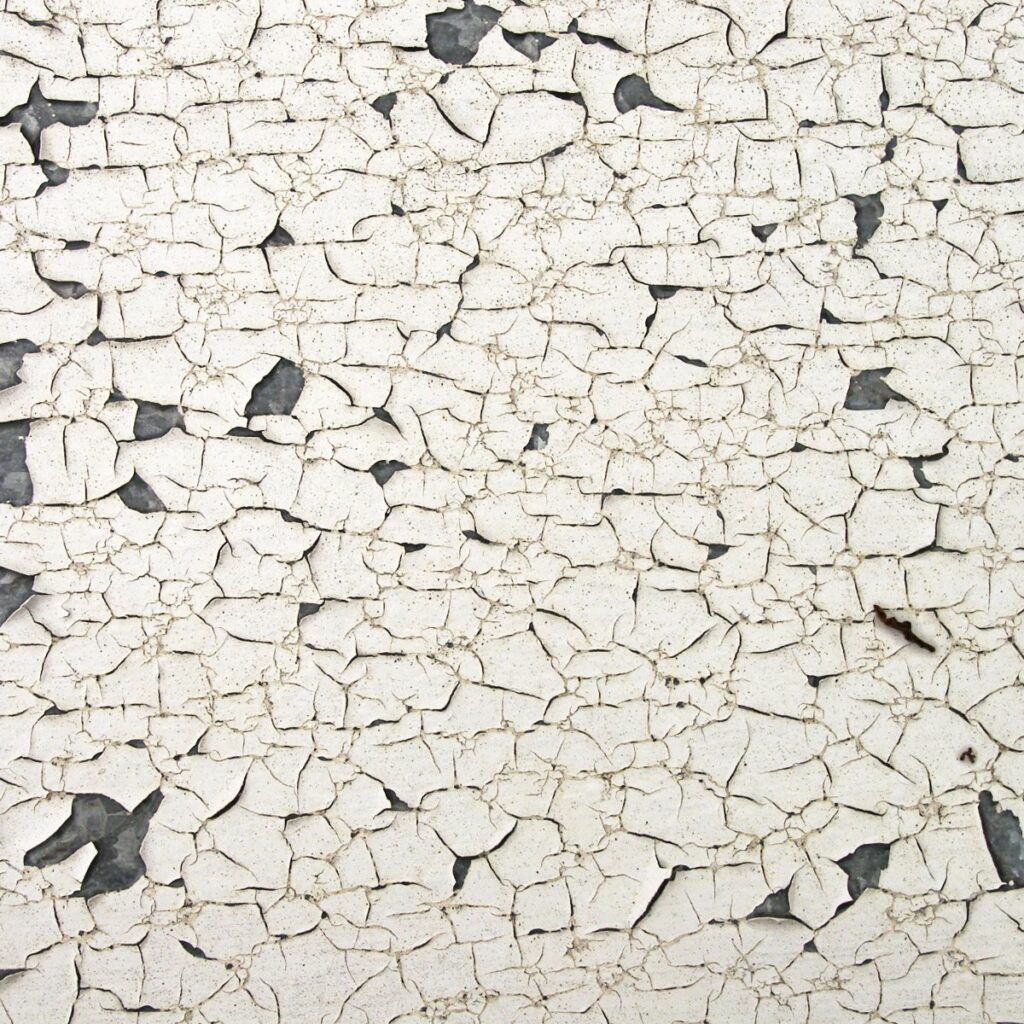
Cracking in paint films is a common issue in material science, often compromising both the appearance and durability of coated surfaces. This phenomenon arises from various factors such as environmental stresses, temperature changes, and the intrinsic characteristics of the paint’s resin matrix. During the drying process, solvent evaporation causes the paint film to shrink unevenly, generating internal stresses. When these stresses exceed the film’s cohesive strength, cracks develop and propagate, leading to surface fissures that degrade the coating’s integrity.
Role of Large Particles in Paint Formulations
Incorporating large particles into paint compositions has emerged as an effective strategy to counteract cracking. These particles influence the paint’s physical and chemical properties in several ways:
- Rheological Enhancement:
Large particles increase the viscosity of the paint, promoting the formation of a more resilient and uniform film upon application. - Mechanical Reinforcement:
Acting as physical obstacles, these particles interrupt crack propagation paths, thereby reducing the likelihood of fissure formation under stress. - Thermal Stability:
By integrating particles with low thermal expansion coefficients, the paint’s resistance to cracking caused by temperature fluctuations is improved. - Aesthetic Improvement:
The size and distribution of particles affect light scattering, enabling control over surface finishes such as matte, satin, or gloss.
Common Types of Large Particles and Their Effects
Various particulate materials are utilized in paint formulations, each contributing unique benefits:
- Silica:
Known for its high aspect ratio, silica enhances mechanical strength and viscosity, while increasing the surface area for better interaction with the polymer matrix. - Calcium Carbonate:
Widely used as a filler, it improves the paint’s bulk properties and contributes to crack resistance. - Titanium Dioxide:
Besides providing opacity and brightness, titanium dioxide particles reinforce the film and improve adhesion. - Alumina:
Exhibits excellent thermal stability, reducing thermal expansion and enhancing durability in exterior applications.
Mechanisms Behind Crack Prevention
The effectiveness of large particles in mitigating cracking is underpinned by several physical principles:
- Percolation Theory:
Achieving a critical volume fraction of particles creates a network that impedes crack growth by distributing stress more evenly throughout the film. - Interfacial Interactions:
Surface chemistry modifications, such as silane coupling agents, improve bonding between particles and the resin matrix, enhancing mechanical integrity. - Particle Dispersion:
Uniform distribution and functionalization of particles prevent agglomeration, ensuring consistent reinforcement across the coating.
Surface Chemistry and Particle Modification
Optimizing the interface between large particles and the paint matrix is crucial for maximizing performance. Adjusting particle surface properties to be hydrophobic or hydrophilic affects their compatibility with the resin. For example, silane treatments can enhance adhesion and mechanical strength by chemically linking particles to the polymer network, thereby reducing crack susceptibility.
Challenges and Considerations in Using Large Particles
While large particles offer significant benefits, their integration into paint formulations must balance several factors:
- Cost Efficiency:
The addition of specialized particles can increase production expenses, necessitating cost-benefit analyses. - Environmental Impact:
Regulatory pressures demand the use of non-toxic, sustainable materials, prompting ongoing research into eco-friendly particle alternatives. - Functional Trade-offs:
Excessive particle loading may adversely affect other paint properties such as flexibility or drying time.
Practical Applications and Benefits
The strategic use of large particles in paint formulations has broad implications across industries:
- Architectural Coatings:
Enhanced crack resistance extends the lifespan of exterior paints exposed to weather extremes. - Automotive Finishes:
Improved mechanical and thermal properties maintain aesthetic quality and durability under operational stresses. - Industrial Protective Coatings:
Increased resistance to cracking reduces maintenance costs and protects underlying materials.
Why Large Particles Matter in Material Science
The integration of large particles into paint systems exemplifies the intersection of microscopic material properties and macroscopic performance outcomes. By reinforcing mechanical strength, improving thermal resilience, and refining visual characteristics, these particles address longstanding challenges in coating durability. This multidisciplinary approach not only advances scientific understanding but also drives innovation in practical applications, ensuring that coatings remain both functional and visually appealing over extended periods.
FAQ
What are large particles used in paint?
Large particles like silica, calcium carbonate, titanium dioxide, and alumina are used to enhance paint properties such as durability and resistance to cracking.
How do large particles prevent cracking in paint?
They improve mechanical strength and thermal stability, disrupt crack propagation, and enhance the overall film formation.
What is percolation theory in relation to paint?
Percolation theory describes how a critical volume of particles can create a network that distributes stress evenly, thus preventing crack growth.


Leave a Reply