
Short Answer
Definition of DNA Computing and Quantum Mechanics in Bioinformatics
DNA computing represents an innovative computational paradigm that leverages the molecular structure of DNA to perform complex calculations. It transcends the traditional view of DNA as merely the carrier of genetic information, positioning it instead as a medium capable of executing sophisticated algorithms. When combined with the principles of quantum mechanics, this approach opens new avenues for analyzing and interpreting biological data, particularly within the field of bioinformatics.
- DNA Computing:
Utilizes the biochemical properties of DNA strands to encode and solve computational problems through parallel processing. - Quantum Mechanics:
A branch of physics that studies phenomena at atomic and subatomic levels, introducing concepts such as superposition and entanglement that can enhance computational capabilities. - Bioinformatics:
The interdisciplinary science that applies computational techniques to understand and analyze biological data, especially genetic sequences.
Fundamental Principles of DNA Computing
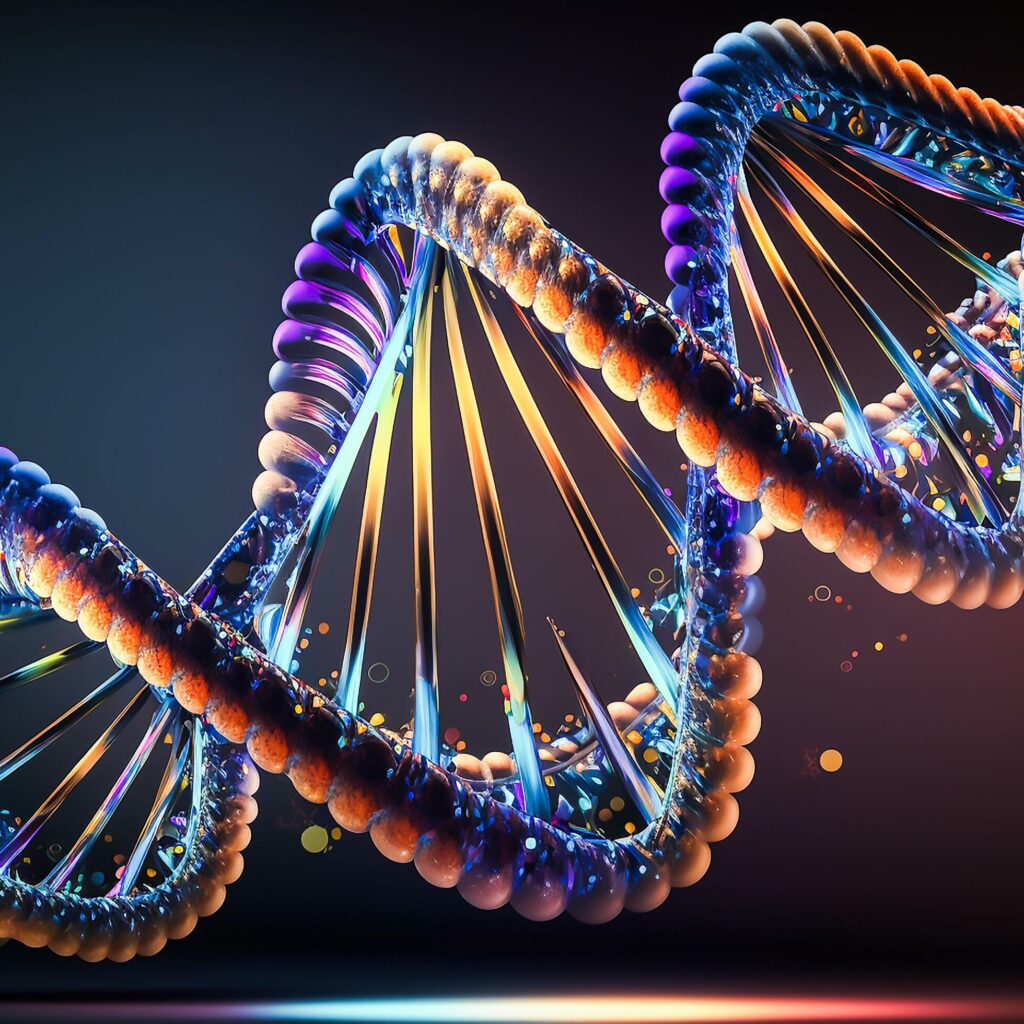
At its core, DNA computing exploits the natural encoding system of nucleotides-adenine (A), cytosine (C), guanine (G), and thymine (T)-which form the double helix structure of DNA. These four bases function similarly to the binary digits in classical computing, but with a quaternary alphabet that allows for a richer information density. The inherent parallelism of DNA molecules enables simultaneous processing of numerous potential solutions, making it exceptionally suited for tackling combinatorial problems.
Parallelism and Information Encoding
DNA’s molecular architecture facilitates massive parallelism, where countless DNA strands can represent different computational pathways concurrently. This biological parallelism surpasses the sequential processing limitations of classical computers, allowing for rapid exploration of complex problem spaces.
Integration of Quantum Mechanics with DNA Computing
The fusion of quantum mechanics with DNA computing introduces a transformative perspective on data processing. Quantum phenomena such as superposition-where particles exist in multiple states simultaneously-and entanglement-where particles become interconnected regardless of distance-mirror the complexity found in biological systems. Harnessing these quantum effects can amplify the computational power of DNA-based systems, enabling more efficient analysis of genomic data.
Quantum Algorithms in Bioinformatics
Quantum algorithms like Grover’s search and Shor’s factorization can be adapted to DNA computing frameworks, significantly accelerating database searches and factorization tasks. This enhancement is particularly valuable in bioinformatics, where vast genomic datasets require efficient computational methods to uncover meaningful patterns and correlations.
Applications and Problem-Solving Capabilities
One of the hallmark applications of DNA computing is its ability to address combinatorial optimization problems, such as the traveling salesman problem (TSP). While classical computers rely on iterative algorithms that can be computationally expensive, DNA computing approaches the problem by synthesizing DNA strands that represent all possible routes simultaneously. Biochemical reactions then identify the optimal path, demonstrating a powerful method for solving complex problems efficiently.
Real-World Bioinformatics Applications
Quantum-enhanced DNA computing holds promise for revolutionizing diagnostics and therapeutics. By rapidly identifying genetic biomarkers, these systems can provide real-time insights into individual genetic profiles, paving the way for personalized medicine. This approach enables tailored treatment strategies that align closely with a patient’s unique genetic makeup, improving outcomes and reducing adverse effects.
Ethical and Security Considerations
The advancement of quantum DNA computing raises important ethical questions related to privacy, consent, and genetic equity. As computational tools become increasingly adept at predicting phenotypes from genotypes, concerns about genetic determinism and potential misuse of genetic information intensify. It is crucial for bioengineers, ethicists, and policymakers to collaborate in establishing guidelines that protect individuals and society.
Data Integrity and Cybersecurity
Given the delicate nature of biological materials and the complexity of quantum states, genomic data processed through quantum DNA systems may be vulnerable to security breaches. Developing robust cryptographic techniques that can safeguard sensitive genetic information is essential to prevent unauthorized access and ensure data integrity.
Significance and Future Outlook
The convergence of DNA computing and quantum mechanics signifies a paradigm shift in computational biology and bioinformatics. This interdisciplinary synthesis not only enhances our ability to decode the vast complexity of biological data but also challenges traditional notions of computation. As research progresses, this fusion promises to deepen our understanding of life’s molecular foundations and catalyze innovations in medicine, technology, and ethical governance.
Ultimately, the dialogue between DNA and quantum computing envisions a future where biology, technology, and ethics are intricately linked, fostering a comprehensive approach to unraveling the mysteries of life.
FAQ
What is DNA computing?
DNA computing uses the molecular structure of DNA to perform complex calculations, treating DNA as a medium for executing algorithms.
How does quantum mechanics enhance DNA computing?
Quantum mechanics introduces concepts like superposition and entanglement, which can significantly improve the computational power of DNA systems.
What are the real-world applications of quantum DNA computing?
Applications include rapid identification of genetic biomarkers and personalized medicine, offering tailored treatment strategies.
What ethical concerns arise from DNA computing?
Concerns include privacy issues, genetic determinism, and the potential misuse of genetic data.



Leave a Reply