
Short Answer
Understanding the Brain as a Quantum Computer
In recent times, the intersection of neuroscience and quantum physics has sparked intense discussions among scientists, philosophers, and theorists aiming to decode the mysteries of consciousness and cognition. Central to this debate is the provocative question: could the human brain function as a quantum computer? This inquiry challenges traditional views on how neural processes operate, urging a reevaluation of how biological systems process information within the complex framework of quantum mechanics.
Definition of Quantum Computing
Quantum computing is a revolutionary computational paradigm that leverages the principles of quantum mechanics to perform operations on data. Unlike classical computers, which use bits as the smallest unit of information, quantum computers utilize quantum bits or qubits.
- Qubits:
These can exist in multiple states simultaneously due to superposition, enabling quantum computers to process a vast number of possibilities at once. - Quantum Parallelism:
This property allows quantum systems to perform many calculations simultaneously, vastly increasing computational speed and efficiency compared to classical binary systems.
Neural Architecture and Complexity of the Brain
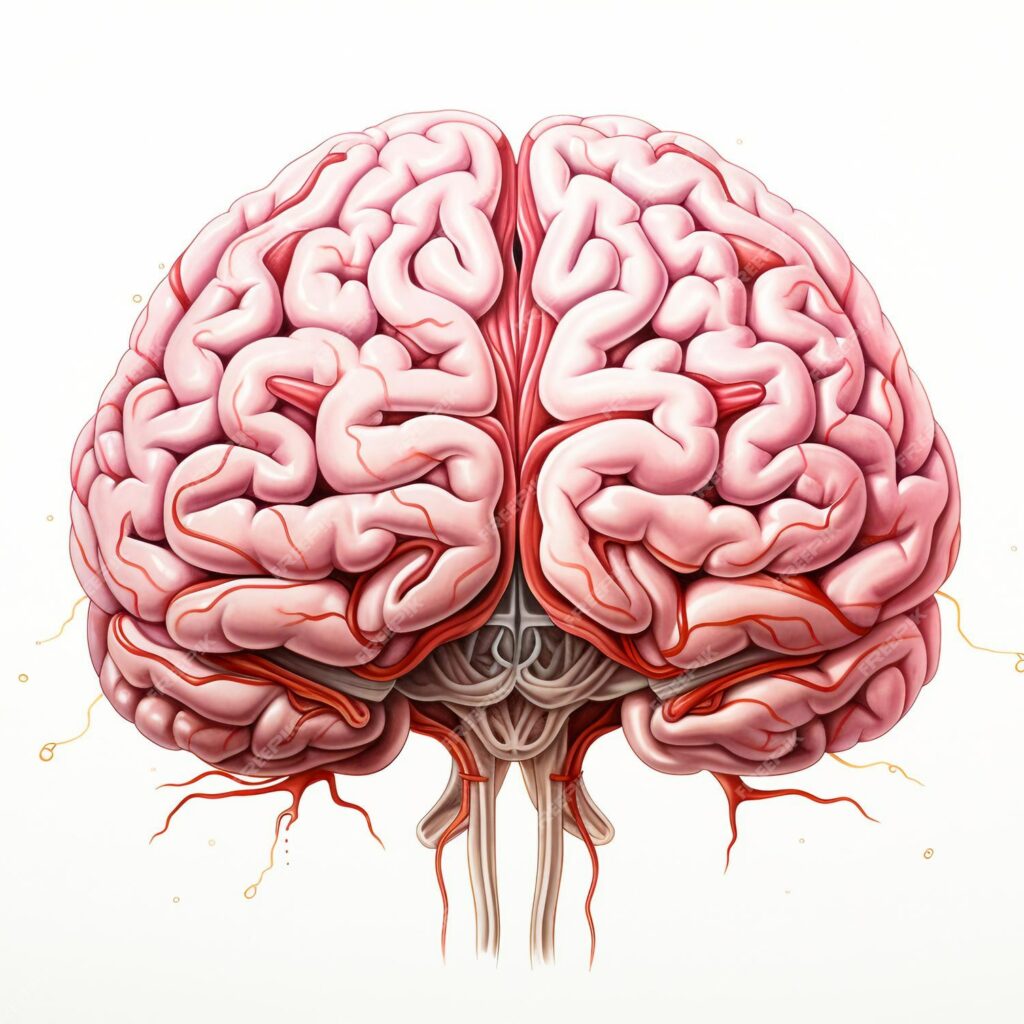
The human brain is an extraordinarily intricate organ, composed of approximately 86 billion neurons interconnected by trillions of synapses. This vast neural network underpins sensory perception, motor control, higher cognitive functions, emotional regulation, and decision-making processes. The complexity and efficiency of this network prompt the question: do the brain’s operations mirror the capabilities of quantum computers?
Quantum Phenomena Potentially Present in Neural Processes
Entanglement and Neural Connectivity
Quantum entanglement describes a phenomenon where particles become linked such that the state of one instantly influences the state of another, regardless of distance. Some researchers propose that similar entangled states might exist within neural communication, suggesting a form of non-local connectivity that transcends classical explanations. This could imply that the brain harnesses quantum-like interactions to enhance information processing.
Superposition and Cognitive States
Superposition allows quantum systems to exist in multiple states simultaneously until measured. Analogously, the human mind can entertain numerous thoughts and possibilities concurrently. While the brain may not be a quantum computer in the strictest sense, this analogy offers intriguing insights into how decisions and consciousness might emerge from a superpositional mental landscape.
Quantum Coherence in Biological Systems
Quantum coherence refers to the maintenance of synchronized quantum states over time. Evidence of coherence has been found in biological phenomena such as photosynthesis and avian navigation, indicating that quantum effects can play functional roles in living organisms. This raises the possibility that the brain might exploit quantum coherence to facilitate efficient information transfer and cognitive function.
Challenges to the Quantum Brain Hypothesis
Despite the compelling theoretical arguments, significant obstacles challenge the notion that the brain operates as a quantum computer:
- Environmental Constraints:
The brain’s warm, moist, and noisy environment is generally considered inhospitable to sustaining delicate quantum states, which typically require extremely low temperatures. - Quantum Decoherence:
Interactions with the environment can cause quantum systems to lose coherence rapidly, potentially disrupting any quantum computations within neural structures.
These factors cast doubt on the feasibility of stable quantum processing in the brain, making the hypothesis controversial and subject to ongoing investigation.
Implications of Quantum Mechanics in Cognition
If cognitive processes are influenced by quantum phenomena, this could profoundly impact our understanding of free will, consciousness, and decision-making. A quantum framework might introduce elements of unpredictability and non-determinism into mental processes, challenging classical deterministic models and enriching the philosophical discourse on human agency.
Impact on Artificial Intelligence and Machine Learning
Should the brain’s quantum-like properties be validated, this knowledge could revolutionize artificial intelligence (AI) and machine learning. Insights into how biological systems utilize quantum mechanics might inspire the development of advanced algorithms that emulate human cognitive flexibility, adaptability, and learning capabilities, potentially leading to more sophisticated and efficient AI systems.
Conclusion: The Ongoing Quest to Decode Consciousness
The exploration of whether the brain functions as a quantum computer opens profound questions across neuroscience, physics, philosophy, and cognitive science. While intriguing evidence exists, skepticism remains due to biological and physical constraints. Continued interdisciplinary research is essential to unravel the complex relationship between quantum mechanics and brain function, as we strive to deepen our understanding of consciousness and the fundamental nature of cognition.
FAQ
Can the brain be considered a quantum computer?
The brain may exhibit quantum-like properties, but significant challenges exist that question this hypothesis.
What is quantum superposition?
Quantum superposition allows particles to exist in multiple states at once, similar to how the brain can entertain several thoughts simultaneously.
What challenges does the quantum brain hypothesis face?
The brain’s warm environment and quantum decoherence issues pose significant challenges to the feasibility of quantum processing.






Leave a Reply