
Short Answer
Understanding Dimensionality in Objects
The concept of dimensionality, a fundamental topic in both physics and philosophy, explores the spatial properties of objects. Dimensions describe the measurable extents of an object in space, typically categorized as one-dimensional (length), two-dimensional (length and width), or three-dimensional (length, width, and height/depth). This framework helps us interpret the physical world and the nature of various materials and forms.
Defining Paper: A Closer Look at Its Dimensions
At first glance, paper appears to be a classic example of a two-dimensional object. A standard sheet of paper clearly exhibits measurable height and width, which are easily quantifiable in units such as inches or centimeters. Its thickness, however, is so minimal-often just a fraction of a millimeter-that it frequently escapes notice. This gives paper the appearance of a flat surface, primarily existing along the x and y axes, which aligns with the characteristics of two-dimensionality.
- Height and Width:
These are the dominant dimensions visible on a sheet of paper, defining its flat surface area. - Thickness:
Although extremely thin, the paper’s thickness introduces a subtle third dimension.
The Subtle Third Dimension: Thickness and Volume
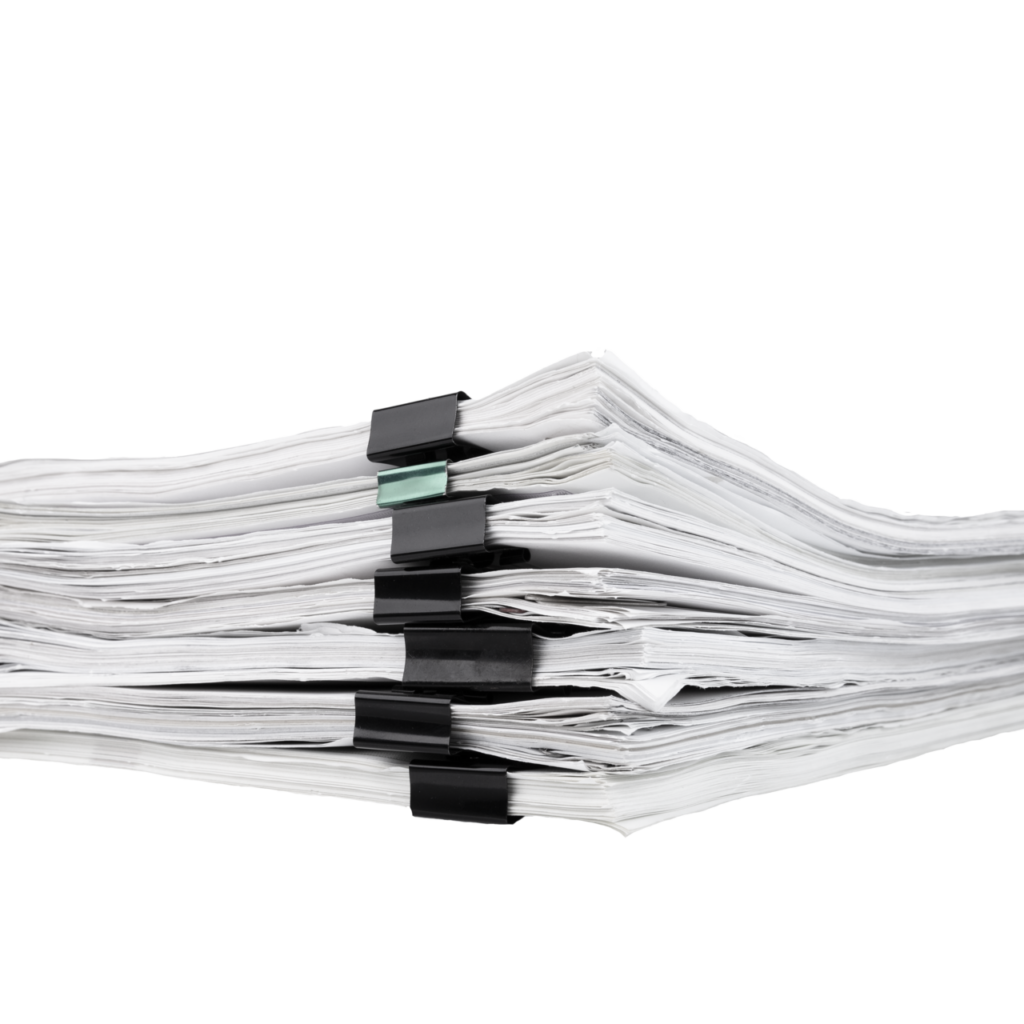
Despite its seemingly negligible thickness, paper does possess a measurable depth, which introduces a third dimension. In physics, dimensionality encompasses volume, not just surface area. When multiple sheets are stacked, their combined thickness becomes significant, creating a tangible volume. This aggregation transforms the perception of paper from a purely two-dimensional object into one that occupies three-dimensional space.
Visualizing a stack of paper helps illustrate this concept: each sheet acts as a thin layer, and together they form a structure with depth. Additionally, the air gaps between sheets contribute to the overall volume, highlighting how even everyday objects can embody complex dimensional properties.
Philosophical Perspectives on Paper’s Dimensionality
Beyond physical measurements, paper holds a deeper significance as a medium of communication and expression. It serves as a canvas for ideas, emotions, and history, which imbues it with a dynamic quality that transcends mere physicality. Each fold, tear, or mark on paper adds layers of meaning, transforming it into a vessel of human experience.
In this sense, paper’s dimensionality is not limited to its physical form but extends into the realm of interaction and interpretation, where two-dimensional and three-dimensional aspects coexist. This duality reflects the complex relationship between material properties and human perception.
Transforming Paper: From Flat Sheets to Three-Dimensional Art
Paper’s dimensional versatility is vividly demonstrated through artistic practices such as origami. This traditional craft involves folding flat sheets into intricate three-dimensional shapes, effectively converting a two-dimensional surface into a volumetric form. Each crease and fold marks a transition from flatness to tangible depth, showcasing the latent potential within paper to transcend its initial dimensional constraints.
Such transformations highlight the role of creativity in redefining how we perceive and interact with dimensionality, emphasizing that the physical properties of materials can be manipulated to produce new spatial experiences.
Paper in the Digital Era: Evolving Concepts of Dimension
The rise of digital technology has reshaped our understanding of paper and its dimensions. Digital documents replicate the flat, two-dimensional nature of paper through pixels on screens, yet they lack the tactile, three-dimensional qualities of physical sheets. This shift challenges traditional notions of dimensionality, as virtual representations blur the lines between physical and digital realms.
While digital media may seem to diminish the relevance of physical paper, it also prompts renewed appreciation for the tangible qualities that paper uniquely offers, underscoring the intertwined existence of 2D and 3D experiences in modern life.
Common Misconceptions About Paper’s Dimensionality
Paper is purely two-dimensional because it is flat.
Although paper appears flat, its measurable thickness and volume, especially when stacked, qualify it as a three-dimensional object.
Digital documents fully replace the physical experience of paper.
Digital formats replicate the visual aspects of paper but cannot replicate its tactile and volumetric qualities.
Significance of Understanding Paper’s Dimensionality
Exploring the dimensional nature of paper bridges physics, art, and philosophy, offering insights into how we perceive and interact with the material world. Recognizing paper as both a two-dimensional and three-dimensional entity enriches our appreciation of everyday objects and their roles in communication, creativity, and technology. This understanding also encourages a broader reflection on the fluidity of dimensions in both physical and conceptual contexts, highlighting the complexity underlying seemingly simple materials.
FAQ
Is paper a 2D or 3D object?
Paper is primarily a two-dimensional object, but its thickness allows it to be considered three-dimensional as well.
How does digital technology affect our understanding of paper?
Digital documents mimic paper's 2D properties but do not replicate its tactile, three-dimensional qualities.




Leave a Reply