
Short Answer
Definition of Solar Energy
Solar energy refers to the power derived from the sun’s radiation, which can be converted into usable forms of energy such as electricity or heat. It is a renewable and sustainable energy source that offers an alternative to conventional fossil fuels, playing a pivotal role in global efforts to reduce greenhouse gas emissions and combat climate change.
- Photovoltaic (PV) Systems:
Devices that convert sunlight directly into electrical energy using semiconductor materials. - Solar Thermal Systems:
Technologies that capture sunlight to produce heat, which can be used for heating or to generate electricity. - Concentrated Solar Power (CSP):
Systems that focus sunlight using mirrors or lenses to create steam, driving turbines for electricity production.
Mechanisms of Solar Energy Conversion
Solar energy harnessing involves several distinct technologies, each operating on different principles:
- Photovoltaic Effect: When sunlight strikes PV cells, it excites electrons in the semiconductor material, generating an electric current.
- Solar Thermal Process: Sunlight heats a fluid or surface, which can be used directly for heating or to produce steam for electricity generation.
- Concentration Techniques: CSP systems use reflective surfaces to intensify sunlight onto a small area, increasing thermal energy output.
Environmental Impacts of Solar Energy Production
While solar energy is often celebrated for its clean operation, the processes involved in manufacturing and deploying solar technologies carry environmental considerations:
- Material Extraction: The production of photovoltaic panels requires raw materials such as silicon, cadmium, and gallium. Mining and refining these elements can lead to habitat disruption, soil and water pollution, and significant carbon emissions.
- Energy-Intensive Manufacturing: Fabricating solar panels consumes considerable energy, contributing to their initial carbon footprint. Despite this, lifecycle assessments indicate that solar systems yield a net reduction in greenhouse gases over their operational life compared to fossil fuels.
- Dependence on Rare Earth Elements: The increasing demand for solar panels intensifies the extraction of rare minerals, raising concerns about resource depletion and ecological damage in mining regions.
Land Use and Ecological Considerations
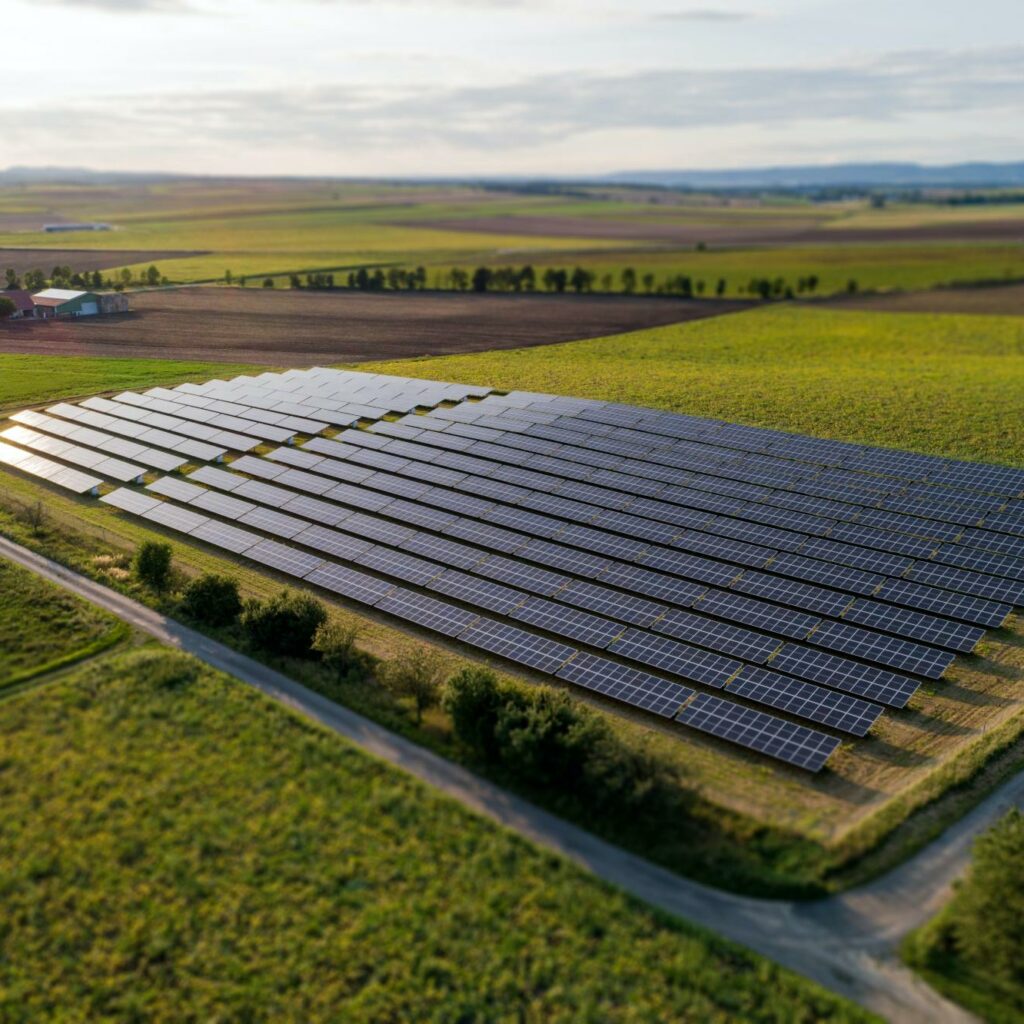
Large-scale solar installations, especially solar farms, require extensive land areas, which can impact local ecosystems:
- Habitat Disruption: Solar farms in desert or rural areas may alter native habitats, affecting flora and fauna adapted to these environments.
- Biodiversity Threats: The presence of solar infrastructure can interfere with animal migration routes and reduce biodiversity.
- Mitigation Strategies: Utilizing rooftops, brownfield sites, or integrating solar panels with agricultural activities (agrivoltaics) can reduce land use conflicts and preserve natural habitats.
Water Usage in Solar Technologies
Water consumption varies significantly among solar energy systems:
- Solar Thermal Cooling: CSP and other solar thermal plants often require substantial water for cooling, which can strain water resources in arid regions.
- Photovoltaic Systems: PV panels generally need minimal to no water during operation, making them more suitable for water-scarce environments.
End-of-Life Management and Recycling
As solar panels reach the end of their lifespan, typically over 25 years, proper disposal and recycling become critical to prevent environmental harm:
- Electronic Waste Concerns: Solar panels contain toxic substances that, if not managed correctly, can contaminate soil and water.
- Recycling Initiatives: Developing effective recycling programs and regulatory frameworks is essential to recover valuable materials and reduce waste accumulation.
Environmental Advantages of Solar Energy
Despite the challenges, solar energy offers substantial ecological benefits that justify its adoption:
- Reduction in Greenhouse Gas Emissions: Solar power generation emits negligible carbon dioxide compared to fossil fuel combustion, aiding climate change mitigation.
- Energy Security: By decreasing dependence on imported fuels, solar energy enhances national energy independence and economic stability.
- Socioeconomic Benefits: The solar industry creates jobs in manufacturing, installation, and maintenance, contributing to local economies.
Innovations Addressing Environmental Concerns
Technological advancements are continuously improving the sustainability of solar energy:
- Thin-Film Solar Cells: These require fewer raw materials and can be produced with less energy than traditional silicon panels.
- Agrivoltaics: Combining solar panels with agricultural land use allows simultaneous energy production and crop cultivation, optimizing land efficiency.
- Building-Integrated Photovoltaics (BIPV): Incorporating solar cells into building materials reduces the need for additional land and enhances urban sustainability.
Common Misconceptions About Solar Energy and the Environment
Solar energy production is entirely free of environmental impact.
While solar energy reduces emissions during operation, manufacturing and material extraction have environmental footprints that must be managed.
Solar farms always harm local ecosystems.
Thoughtful site selection and integration with existing land uses can minimize ecological disruption.
Significance of Solar Energy in Modern Society
Solar energy plays a crucial role in transitioning to a sustainable energy future. Its ability to reduce carbon emissions, promote energy independence, and stimulate economic growth makes it indispensable in addressing global environmental and energy challenges. Balancing technological innovation with ecological responsibility is key to maximizing the benefits of solar power while mitigating its drawbacks.
FAQ
What are the environmental impacts of solar energy?
Solar energy production has environmental impacts related to material extraction, manufacturing processes, land use, and water consumption.
How does solar energy benefit the environment?
Solar energy significantly reduces greenhouse gas emissions and enhances energy independence.





Leave a Reply