
Short Answer
Understanding the European Space Agency (ESA) Career Path
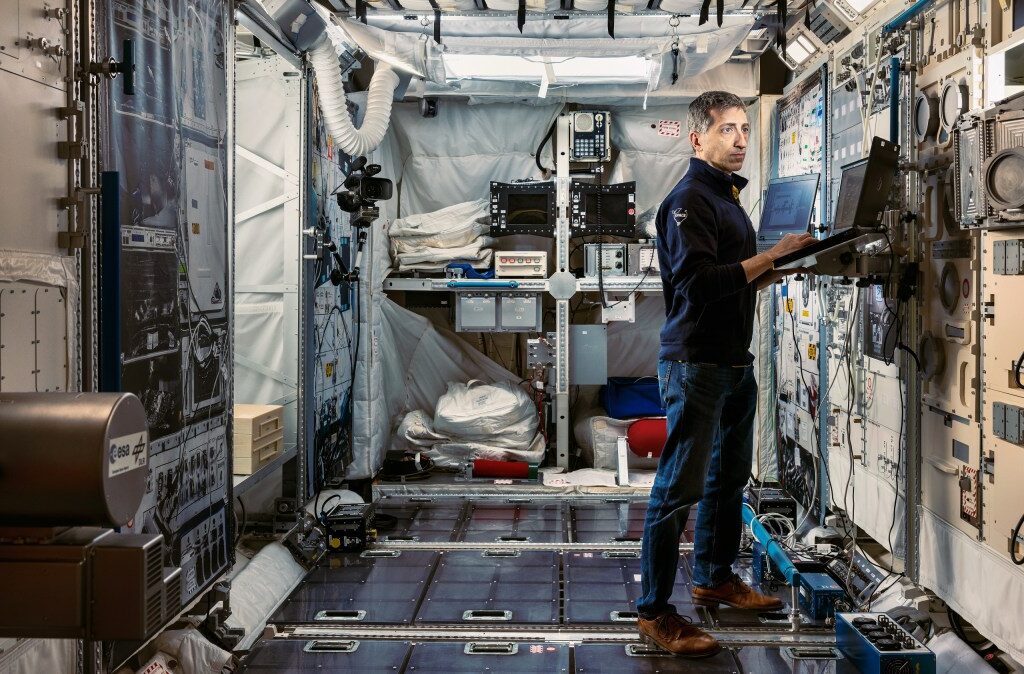
Joining the European Space Agency (ESA) is far more than a mere career choice; it is an extraordinary journey that demands exceptional dedication, diverse expertise, and a resilient spirit. Beyond the fascination with space exploration and the allure of venturing into the cosmos, ESA seeks individuals who can overcome a complex array of challenges and embody Europe’s ambitions beyond Earth.
Definition and Scope of ESA Careers
The European Space Agency is a multinational organization dedicated to space research, exploration, and technology development. Careers at ESA encompass a wide range of roles, from astronauts and engineers to scientists and administrative professionals, all contributing to the agency’s mission of advancing space science and technology.
- Astronauts:
Specialists trained to live and work in space, conducting scientific experiments and maintaining spacecraft. - Engineers and Technicians:
Professionals designing and managing spacecraft systems, robotics, and satellite technologies. - Scientists:
Experts in fields such as astrophysics, planetary geology, and life sciences who analyze data and develop research projects. - Support and Administrative Staff:
Personnel handling communications, policy, and mission coordination to ensure smooth operations.
Educational and Skill Requirements
A career at ESA typically begins with a strong foundation in STEM disciplines, including aerospace engineering, astrophysics, computer science, or biological sciences. However, academic credentials alone are insufficient. Candidates must demonstrate a blend of technical expertise, emotional strength, and adaptability to thrive in the demanding environment of space missions.
- Academic Excellence:
Advanced degrees in relevant scientific or engineering fields are often prerequisites. - Emotional Resilience:
The ability to manage stress, isolation, and teamwork in confined and high-pressure settings is critical. - Multidisciplinary Skills:
Proficiency across various domains, including problem-solving, communication, and cultural adaptability.
Psychological and Physical Demands
ESA personnel, especially astronauts, face rigorous psychological assessments to evaluate their capacity for enduring isolation, stress, and complex interpersonal dynamics. Physically, candidates must meet stringent health standards to withstand the effects of microgravity, such as muscle weakening and bone density reduction. Continuous fitness and medical monitoring are integral to maintaining mission readiness.
Multicultural Collaboration and Communication
ESA embodies a unique European collaboration, bringing together experts from diverse cultural and linguistic backgrounds. This multicultural environment enriches the agency’s work but also requires fluency in multiple languages, cultural sensitivity, and exceptional communication skills to harmonize different working styles and ensure mission success.
Training and Preparation for Space Missions
ESA’s training programs are designed to prepare candidates for the physical and psychological challenges of space. Utilizing advanced simulators, zero-gravity flights, and emergency protocol drills, trainees gain hands-on experience in extravehicular activities, teamwork under pressure, and crisis management. These exercises build confidence and operational competence essential for space exploration.
Continuous Learning and Adaptability
The rapidly evolving nature of space technology and scientific discovery demands a commitment to lifelong learning. ESA professionals regularly update their skills and knowledge to keep pace with new technologies and mission requirements, fostering an innovative and dynamic work environment where adaptability is key.
Career Pathways and Opportunities at ESA
ESA offers a variety of entry points and career trajectories, including internships, graduate programs, and specialized recruitment campaigns aimed at nurturing emerging talent. These initiatives provide mentorship and practical experience, transforming aspirants’ passion for space into tangible contributions to the agency’s objectives.
Ethical Considerations in Space Exploration
Working at ESA also involves navigating complex ethical issues such as space debris management, planetary protection, and sustainable exploration practices. The agency emphasizes responsible innovation and stewardship, ensuring that its activities align with long-term environmental and scientific integrity.
Why Pursuing a Career at ESA is Significant
Joining ESA means becoming part of a pioneering community that pushes the boundaries of human knowledge and capability. The agency’s work not only advances scientific understanding but also inspires future generations and fosters international cooperation. ESA professionals embody perseverance, ingenuity, and hope, driving humanity’s quest to explore the final frontier.
Common Misconceptions About ESA Careers
Only astronauts work at ESA.
ESA employs a broad spectrum of professionals, including engineers, scientists, and support staff.
A passion for space is enough to join ESA.
While passion is important, ESA requires advanced education, physical fitness, psychological resilience, and continuous learning.
ESA careers are only about technical skills.
Soft skills such as communication, cultural adaptability, and teamwork are equally vital.
Real-World Examples of ESA Roles
Engineers at ESA might develop propulsion systems for satellites, while scientists could investigate the geology of Mars or study the effects of microgravity on human biology. Astronauts conduct experiments aboard the International Space Station, and mission controllers coordinate complex operations from Earth. Each role contributes uniquely to the agency’s overarching mission.
FAQ
What qualifications are needed to work at ESA?
Candidates typically require advanced degrees in STEM fields and must demonstrate emotional resilience and multidisciplinary skills.
What types of roles are available at ESA?
ESA employs a wide range of professionals including astronauts, engineers, scientists, and administrative staff.
Is a passion for space enough to work at ESA?
While passion is important, ESA requires advanced education, physical fitness, psychological resilience, and continuous learning.


Leave a Reply