
Short Answer
Understanding Instrumentation
Instrumentation fundamentally refers to the practice and science of measuring and regulating physical variables. This field plays a crucial role across numerous disciplines such as engineering, meteorology, and healthcare, where accuracy and control are essential. However, within the musical domain-especially in communities like the Musicians Club-instrumentation takes on a more artistic dimension, blending creativity with technical skill to craft unique auditory experiences.
Instrumentation in Music: An Artistic Perspective
Much like a painter selects colors to create a masterpiece, musicians carefully choose instruments to express emotions, stories, and cultural identities. Instrumentation in music is not limited to picking instruments; it also involves arranging and combining them thoughtfully to elicit particular emotional responses from listeners.
Similar to how layers of paint add depth to a canvas, musicians layer sounds to build complex sonic textures. This process can be compared to weaving a rich tapestry, where different timbres and tonal qualities intertwine. Understanding the distinct characteristics of each instrument is vital-such as the flute’s light, airy tone that can evoke ethereal moods, or the cello’s deep, resonant voice that often inspires introspection. Thus, instrumentation balances the unique qualities of instruments with the emotional atmosphere a performance aims to create.
Acoustics and Sound Sculpting
Beyond selecting instruments, effective instrumentation requires a deep comprehension of acoustics-the science of how sound propagates and interacts with its environment. Musicians must be aware of how an instrument’s resonance can be enhanced or subdued by the surrounding space, much like architects consider acoustical design when constructing concert halls. In this sense, musicians act as sound sculptors, shaping auditory experiences by leveraging their instruments’ capabilities and environmental factors.
Orchestration: The Collective Voice
When considering an ensemble, each instrument contributes a unique range, tone, and dynamic level, much like characters in a story. The conductor functions as the storyteller, guiding these individual voices toward a harmonious blend. This orchestration exemplifies the ingenuity of instrumentation, where the fusion of sounds transcends individual parts to create a cohesive musical narrative that resonates deeply with audiences.
The Musicians Club: A Hub for Innovation
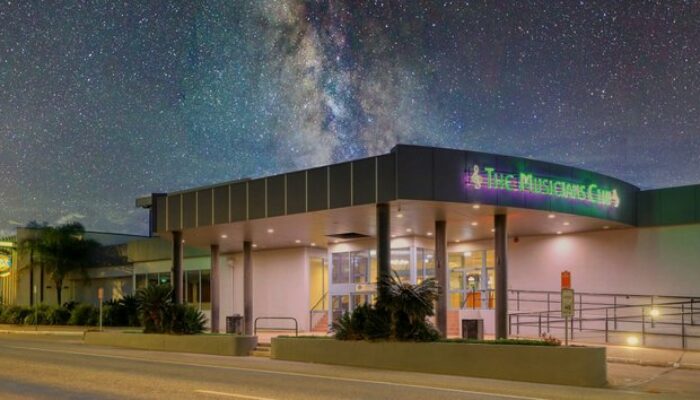
The Musicians Club represents a vibrant microcosm where the significance of instrumentation is vividly demonstrated. Its members come from diverse musical backgrounds, spanning classical virtuosos to avant-garde experimentalists. This melting pot fosters innovation, merging traditional instrumentation with modern experimentation. The club encourages collaboration, pushing musicians to explore unconventional soundscapes and expand the boundaries of musical expression.
Technological Advances in Instrumentation
Recent technological developments have revolutionized musical instrumentation. Digital sound processing and electronic instruments have broadened the scope of sound creation beyond traditional acoustic means. Tools like synthesizers enable musicians to construct entirely new sonic environments, surpassing the limitations of conventional instruments. This evolution redefines instrumentation as a flexible, hybrid framework that integrates classical and contemporary elements, allowing artists to navigate diverse genres and styles effortlessly.
The Core Purpose of Instrumentation: Communication
At its heart, instrumentation serves the fundamental purpose of communication. Every note played and every pause held conveys messages that transcend spoken language. Within the Musicians Club, this communicative power manifests in various forms-from intimate solo performances to complex ensemble works-each reflecting a shared appreciation for the profound impact of sound.
Community and Collaboration Through Instrumentation
Instrumentation also fosters a strong sense of community among musicians. It creates a collaborative environment where individuals can experiment, innovate, and share their unique artistic visions. The Musicians Club exemplifies this spirit, as members synchronize their creative efforts, forging connections that extend beyond music itself. Collaborative instrumentation transforms the creative process into a collective journey of artistic discovery.
The Intersection of Technical Skill and Emotional Expression
Instrumentation bridges the gap between empirical knowledge and emotional resonance. A musician’s technical expertise underpins the expressive power of their performance. This fusion of sound and silence produces a unique resonance capable of evoking memories, feelings, and aspirations, highlighting the transformative potential of music.
Conclusion: The Ever-Evolving Art of Instrumentation
In summary, instrumentation is a complex and dynamic tapestry woven from creativity, technical mastery, and collaboration. Within communities like the Musicians Club, this concept thrives, embodying the essence of musical expression. As musicians continue to innovate and redefine their instruments, the musical landscape evolves continuously, offering endless opportunities to inspire and connect. Through instrumentation, the universal language of sound articulates shared human experiences, underscoring our timeless quest for connection through art.
FAQ
What is instrumentation in music?
Instrumentation in music refers to the selection and arrangement of instruments to create desired sound effects and emotional expressions.
How does instrumentation affect musical composition?
Instrumentation influences the texture, tone, and emotional impact of a musical piece, allowing composers to convey specific feelings and narratives.

Leave a Reply