
Short Answer
Definition of Atomic Timekeeping
Atomic watches and clocks represent the pinnacle of precision in measuring time, utilizing the natural vibrations of atoms to achieve unparalleled accuracy. These devices rely on the consistent oscillation frequencies of specific atoms, such as cesium or rubidium, to define the passage of time with extraordinary exactness. Since their development, atomic timepieces have revolutionized horology by setting a new standard for time measurement.
- Atomic Oscillations:
The core principle involves counting the electromagnetic transitions of atoms, which occur at highly stable frequencies. - Cesium Standard:
Cesium atomic clocks operate based on the frequency of 9,192,631,770 oscillations per second, which defines the official length of one second.
Fundamental Mechanism of Atomic Clocks
Atomic clocks function by detecting the precise frequency of atomic transitions. When atoms like cesium or rubidium are exposed to microwaves, they resonate at a specific frequency. This resonance is measured and used to regulate the clock’s timing mechanism, ensuring an accuracy far beyond traditional mechanical or quartz clocks.
Historical Evolution and Technological Impact
Initially confined to scientific laboratories, atomic clocks have become essential components in various modern technologies. Their evolution from experimental devices to indispensable tools has transformed fields such as navigation, telecommunications, and global time synchronization.
- Global Positioning Systems (GPS):
Atomic clocks provide the precise timing necessary for accurate location tracking and navigation. - Telecommunications:
Synchronization of data transmission relies heavily on atomic time standards to maintain network integrity. - Universal Coordinated Time (UTC):
A worldwide network of atomic clocks maintains UTC, the global time standard used for scientific and civil purposes.
Transition from Consumer Atomic Watches to Modern Alternatives
Despite their unmatched precision, atomic watches have gradually lost prominence in the consumer market. The rise of quartz technology in the 1970s introduced affordable, reasonably accurate timepieces that appealed to the general public. Quartz watches, with an average deviation of about 15 seconds per month, offered a practical balance between cost and accuracy, overshadowing atomic watches in everyday use.
In recent decades, smartwatches have further eclipsed atomic watches by combining timekeeping with multifunctional digital features such as fitness tracking, notifications, and connectivity, catering to contemporary lifestyle demands.
Current Status and Niche Appeal of Atomic Timepieces
Today, atomic watches are primarily valued by enthusiasts and collectors who appreciate their historical significance and technical sophistication. Brands like Citizen and Seiko continue to manufacture atomic timepieces, but their market presence remains limited compared to the widespread adoption of smartwatches.
This niche status reflects a broader cultural shift where convenience and multifunctionality often take precedence over absolute precision in personal timekeeping devices.
Advancements in Atomic Timekeeping Technology
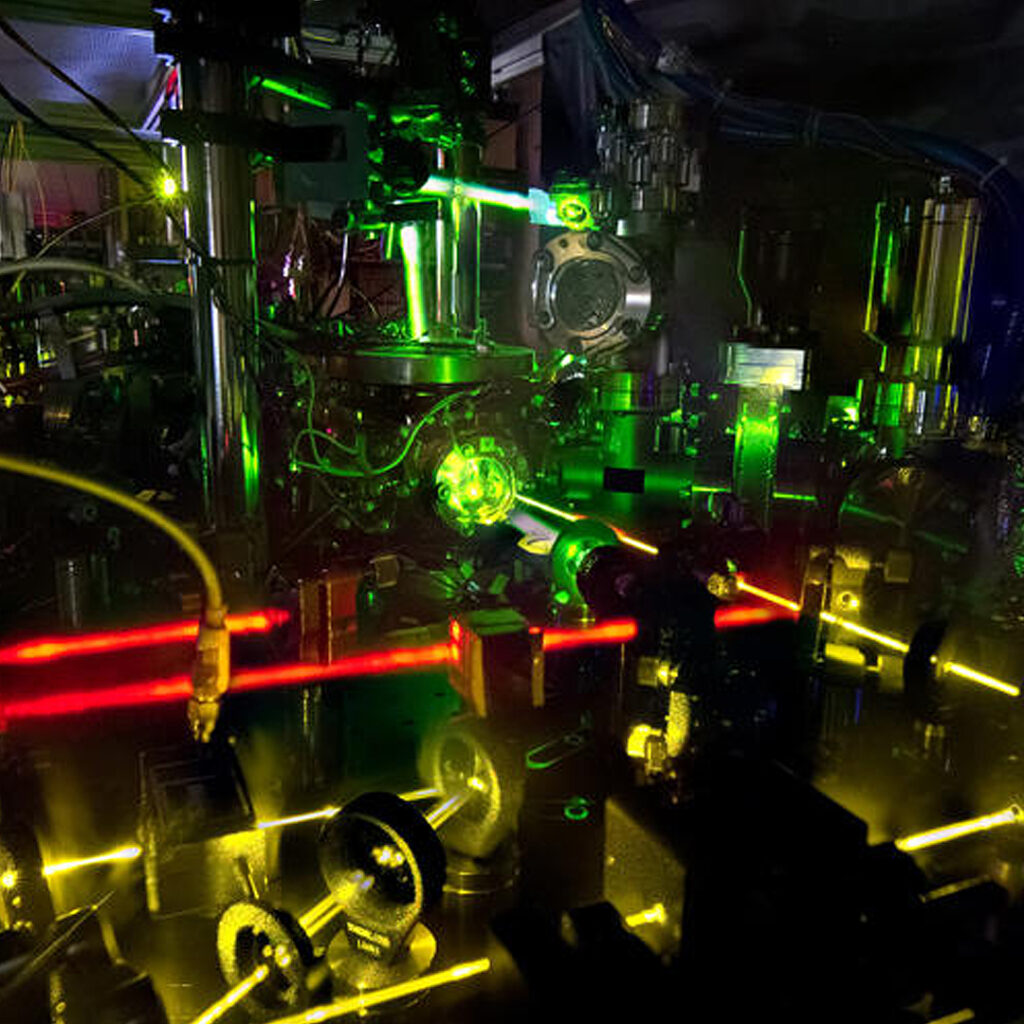
The pursuit of ever-greater accuracy in atomic clocks continues unabated, leading to the development of next-generation devices such as optical lattice clocks and strontium atomic clocks. These cutting-edge instruments achieve precision levels so extraordinary that they would neither gain nor lose a second over billions of years, pushing the boundaries of our understanding of time measurement.
Philosophical and Scientific Reflections on Time Precision
The evolution of atomic clocks invites deeper contemplation about the nature of time itself. As technology accelerates the pace of life, the value placed on extreme precision becomes a subject of debate. Atomic timekeeping challenges us to consider whether time is an objective reality or a human-constructed concept shaped by perception and societal needs.
Revival of Interest and Educational Importance
Renewed appreciation for atomic timepieces is emerging through educational programs that introduce students to quantum mechanics and atomic theory. These initiatives highlight the scientific principles behind atomic clocks, fostering a connection between advanced physics and everyday experiences.
In an era dominated by artificial intelligence and automation, understanding atomic time standards may become increasingly vital as society seeks to balance innovation with foundational scientific truths.
Significance of Atomic Timekeeping in Modern Life
Although atomic watches have receded from mainstream consumer use, atomic clocks remain fundamental to the infrastructure of modern civilization. They underpin critical systems that govern communication, navigation, and financial transactions, ensuring global synchronization and reliability.
The legacy of atomic timekeeping embodies human ingenuity and the relentless quest for precision, symbolizing both technological progress and the enduring mystery of time.
FAQ
What are atomic watches?
Atomic watches are timekeeping devices that utilize the vibrations of atoms for accurate time measurement.
How do atomic clocks work?
Atomic clocks detect the frequency of atomic transitions, using this resonance to maintain precise time.
Why have atomic watches declined in popularity?
The rise of affordable quartz watches and multifunctional smartwatches has overshadowed atomic watches in the consumer market.






Leave a Reply