
Short Answer
Definition of Hydraulic Fracturing
Hydraulic fracturing, often referred to as fracking, is a specialized extraction technique used to obtain oil and natural gas from deep underground rock formations, especially shale. This method enables access to hydrocarbon reserves that are otherwise difficult or uneconomical to retrieve through conventional drilling methods.
- Purpose:
To increase the permeability of rock formations, allowing trapped oil and gas to flow more freely to the surface. - Process:
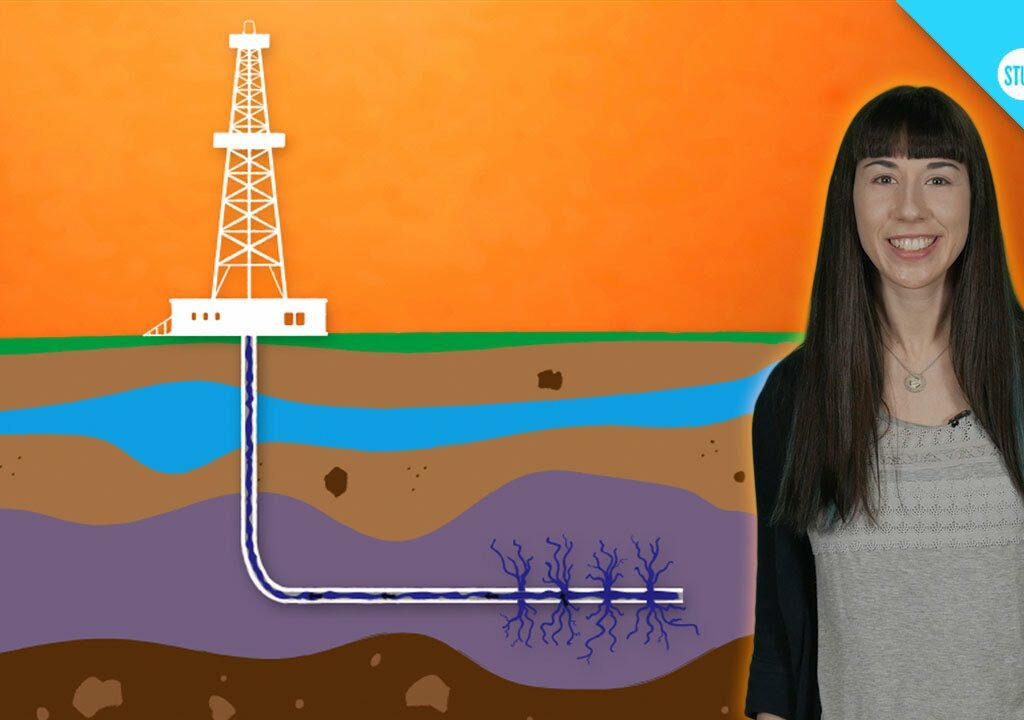
Involves drilling a well vertically and then horizontally into the target rock layer, followed by injecting a high-pressure fluid mixture to fracture the rock.
Mechanism of Hydraulic Fracturing
The fracking process begins with drilling a borehole that penetrates thousands of feet beneath the earth’s surface. After reaching the desired depth, the drill bit is steered horizontally to extend through the resource-rich shale layer. A fluid composed primarily of water, sand, and chemical additives is then pumped at high pressure into the wellbore. This pressurized fluid creates fractures in the rock, enhancing its permeability.
The sand particles, known as proppants, play a critical role by holding these fractures open once the pressure is released, ensuring continuous pathways for hydrocarbons to migrate toward the well for extraction.
Technical Explanation and Components
The hydraulic fracturing fluid typically consists of:
- Water:
Acts as the primary carrier fluid to transmit pressure into the rock. - Proppants (Sand):
Maintain the fractures by preventing them from closing. - Chemical Additives:
Serve various functions such as reducing friction, preventing corrosion, and inhibiting bacterial growth within the well.
Environmental and Safety Concerns
Despite its efficiency in resource extraction, hydraulic fracturing raises several environmental and health concerns. One major issue is the potential contamination of groundwater. Critics warn that chemicals used in the fracturing fluid could seep into aquifers, threatening drinking water quality. Additionally, the release of volatile organic compounds (VOCs) during extraction contributes to air pollution, posing risks to public health.
Another significant concern is the association between fracking and increased seismic activity. Regions with intensive fracking operations have reported minor earthquakes, which some studies link to both the fracturing process and the underground disposal of wastewater. This wastewater injection can alter subsurface pressures, potentially triggering seismic events.
Economic Impact of Fracking
Hydraulic fracturing has transformed the energy landscape, particularly in countries like the United States. By unlocking vast reserves of oil and natural gas, fracking has bolstered national energy independence, reduced reliance on imports, and contributed to lower energy prices. The industry has also generated substantial employment opportunities and stimulated local economies.
However, the economic benefits are tempered by challenges such as the temporary nature of many fracking-related jobs and the volatility of boom-and-bust cycles in regions dependent on this industry. These factors raise questions about the long-term economic stability of communities centered around fracking activities.
Fracking and Climate Change Considerations
While fracking enhances short-term energy security, it also perpetuates dependence on fossil fuels, which are major contributors to greenhouse gas emissions. The combustion of oil and natural gas extracted through fracking releases carbon dioxide and methane, exacerbating global warming and its associated environmental impacts. This creates a complex dilemma: balancing immediate economic and energy needs with the urgent imperative to transition toward renewable energy sources.
Societal and Political Dimensions
Fracking has sparked intense debate within communities and governments. Some regions embrace the practice for its economic advantages, while others impose strict regulations or bans due to environmental and health concerns. This division highlights the importance of community involvement and informed policymaking in energy development.
Key questions arise regarding decision-making authority and the capacity of communities to fully grasp the implications of fracking. Achieving a sustainable energy future requires reconciling diverse perspectives and fostering dialogue among stakeholders.
Regulatory and Ethical Considerations
Ensuring responsible fracking practices demands robust regulatory frameworks that prioritize environmental protection and public health. Transparency in reporting risks and continuous monitoring are essential components. Advances in technology offer potential solutions, such as reducing chemical usage and implementing sophisticated systems to detect leaks or seismic disturbances early.
Ethically, the pursuit of energy independence must be balanced against the obligation to safeguard ecosystems and communities from harm.
Conclusion: The Future of Hydraulic Fracturing
Hydraulic fracturing embodies a paradox of modern energy production: it is both a powerful tool for meeting energy demands and a source of environmental and social challenges. As technological innovations evolve, a comprehensive approach is necessary-one that integrates economic goals with environmental stewardship and social responsibility. The path forward requires informed debate, prudent regulation, and a collective commitment to sustainable energy solutions.
FAQ
What is fracking?
Fracking, or hydraulic fracturing, is a method used to extract oil and natural gas from underground rock formations by injecting high-pressure fluids.
What are the environmental concerns of fracking?
Fracking can lead to groundwater contamination and has been associated with increased seismic activity.
How does fracking impact the economy?
Fracking has created jobs and increased energy independence, but also brings economic volatility.





Leave a Reply