

Short Answer
Definition of Industrial Instrumentation
Industrial instrumentation refers to the comprehensive array of tools, devices, and systems designed to measure, monitor, and regulate various parameters within industrial processes. These instruments are essential for ensuring that operations across sectors such as manufacturing, petrochemicals, and food production run smoothly, safely, and efficiently. By providing accurate data and control capabilities, industrial instrumentation forms the foundation of modern industrial automation and process management.
Historical Development and Technological Evolution
The field of industrial instrumentation has undergone significant transformation over time. Initially, industries depended on basic mechanical devices like pressure gauges and thermometers to track process variables. With technological progress, especially the advent of digital electronics, instrumentation evolved to offer enhanced precision and automation. This shift from analog to digital systems has enabled industries to perform complex monitoring and control tasks with minimal human intervention, thereby increasing reliability and operational efficiency.
Categories of Industrial Instrumentation
Instrumentation devices are typically categorized based on the type of measurement they perform. These categories include:
- Pressure Measurement:
Instruments such as pressure transducers and gauges measure the force exerted by gases or liquids within confined environments, crucial for maintaining system integrity. - Temperature Measurement:
Devices like thermocouples, resistance temperature detectors (RTDs), and infrared sensors monitor thermal conditions vital to process control. - Flow Measurement:
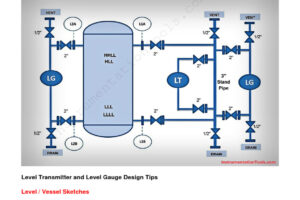
Flow meters quantify the rate at which fluids or gases move through pipelines, ensuring balanced and efficient operations. - Level Measurement:
Instruments such as ultrasonic sensors and float switches determine the volume or height of liquids in tanks and vessels. - Analytical Measurement:
Advanced sensors analyze chemical compositions and concentrations, supporting quality control and process optimization.
Integration and Data Management Challenges
One of the primary challenges in industrial instrumentation is the seamless integration of diverse measurement devices into a unified system. Ensuring that data from various sensors is accurate, consistent, and timely requires sophisticated data acquisition and communication technologies. Real-time processing and interoperability across platforms are critical to transforming raw data into actionable insights that drive process improvements.
Control Systems and Feedback Mechanisms
Instrumentation is intrinsically linked to control systems that utilize measurement data to regulate industrial processes. Controllers interpret sensor inputs and adjust operational parameters to maintain desired conditions. For example, in a chemical reactor, temperature and pressure sensors feed data to a control unit that modulates heating elements and pressure valves, creating a feedback loop that stabilizes the process. This closed-loop control is fundamental to automation and process safety.
Impact of the Internet of Things (IoT) on Industrial Instrumentation
The integration of IoT technologies has revolutionized industrial instrumentation by enabling real-time connectivity and data exchange over the internet. This connectivity facilitates advanced analytics, such as predictive maintenance and big data analysis, which help optimize performance and reduce downtime. However, the vast volume of data generated presents challenges in filtering and interpreting information to derive meaningful operational benefits.
Regulatory Considerations and Compliance
Industrial instrumentation must also comply with stringent regulatory standards, especially in sectors like pharmaceuticals and food processing where safety and quality are paramount. Accurate monitoring and control are essential to meet health regulations and maintain public trust. Consequently, instrumentation systems are designed not only for technical performance but also to ensure adherence to legal and industry-specific guidelines.
Education and Professional Development in Instrumentation
Given the rapid advancements and increasing complexity in industrial instrumentation, continuous education and training are vital for professionals in this field. Staying updated with emerging technologies, standards, and best practices enables practitioners to effectively manage instrumentation systems and contribute to innovation. Organizations and educational institutions play a crucial role in fostering interdisciplinary knowledge and skill development to prepare the workforce for future challenges.
Why Industrial Instrumentation is Essential
Industrial instrumentation is indispensable for maintaining operational efficiency, safety, and regulatory compliance across various industries. By providing precise measurement and control capabilities, it supports automation, reduces human error, and enhances decision-making processes. As industries continue to embrace digital transformation, the role of instrumentation will become increasingly critical in driving innovation and sustaining competitive advantage.
Summary
In essence, industrial instrumentation encompasses the measurement, control, and analysis technologies that underpin modern industrial processes. Its evolution from simple mechanical devices to sophisticated digital systems reflects the growing complexity and demands of industrial operations. The integration of IoT, adherence to regulatory standards, and emphasis on professional expertise collectively shape the future trajectory of this vital field. Embracing these developments ensures that industries can achieve greater efficiency, safety, and sustainability in their operations.
FAQ
What are the main categories of industrial instrumentation?
The main categories include pressure measurement, temperature measurement, flow measurement, level measurement, and analytical measurement.
How has IoT impacted industrial instrumentation?
IoT has enabled real-time connectivity and data exchange, facilitating advanced analytics and optimizing performance.
Why is industrial instrumentation important?
It ensures operational efficiency, safety, and compliance with regulations, supporting automation and decision-making.



Leave a Reply