
Short Answer
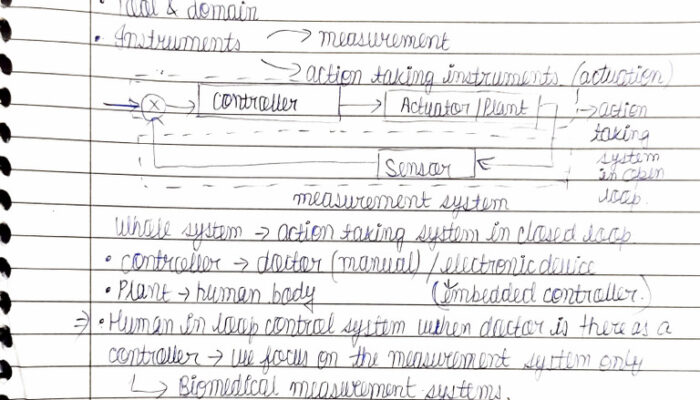
Definition of Biomedical Instrumentation
Biomedical instrumentation represents a multidisciplinary field that merges medicine, biology, and engineering. It involves the design, development, and utilization of devices and instruments that interact directly with biological systems and medical environments. This specialized area aims to bridge the gap between cutting-edge technology and the complex needs of modern healthcare, facilitating improved diagnosis, treatment, and monitoring of patients.
Classification of Biomedical Instruments
Biomedical instruments encompass a wide array of devices, each serving distinct roles in healthcare. These can be broadly divided into the following categories:
- Diagnostic Devices:
Instruments used to detect and diagnose medical conditions. Examples include electrocardiograms (ECGs), which record the electrical activity of the heart, and magnetic resonance imaging (MRI) scanners that generate detailed images of internal body structures. - Therapeutic Devices:
Equipment designed to deliver treatment, such as pacemakers that regulate cardiac rhythms and infusion pumps that administer precise doses of medication. - Monitoring Devices:
Systems that continuously track physiological parameters, providing real-time data. Blood glucose monitors, essential for diabetes management, exemplify this category. - Research Instruments:
Tools primarily utilized in laboratory settings to investigate biological phenomena, including spectrophotometers and centrifuges.
Fundamental Principles Behind Biomedical Instruments
The operation of biomedical devices is grounded in core principles of physics and engineering. A key concept is transduction, where one form of energy is converted into another to facilitate measurement or analysis. For instance, an ECG translates the heart’s electrical impulses into digital signals that can be visually interpreted.
Another critical consideration is biocompatibility, which refers to the capacity of materials to coexist with biological tissues without causing harmful reactions. This is especially important for implantable devices like stents and prosthetic joints, where material science intersects with biomedical engineering to ensure safety and functionality.
Applications of Biomedical Instrumentation in Healthcare
Biomedical instrumentation has revolutionized medical practice through various applications:
- Non-Invasive Diagnostics:
Devices that enable disease detection without surgical intervention, improving patient comfort and reducing recovery times. - Remote Patient Monitoring and Telehealth:
Advanced instruments facilitate continuous health monitoring from a distance, allowing healthcare providers to track vital signs and intervene promptly, a capability that has gained prominence during global health emergencies. - Integration of Artificial Intelligence:
The incorporation of AI and machine learning algorithms into biomedical devices enhances diagnostic accuracy and speeds up data analysis, enabling earlier disease detection and personalized treatment plans.
Challenges Faced in Biomedical Instrumentation
Despite significant progress, the field encounters several obstacles:
- Regulatory Hurdles:
Bringing new biomedical devices to market requires rigorous testing and approval from regulatory agencies to ensure safety and effectiveness, often involving lengthy clinical trials and comprehensive documentation. - Technological Evolution and Device Relevance:
Rapid advancements in technology demand continuous innovation to keep devices up-to-date. Achieving seamless interoperability among diverse instruments remains a complex engineering challenge. - Ethical and Privacy Concerns:
The proliferation of connected biomedical devices raises critical issues regarding patient data security and privacy. Protecting sensitive health information from unauthorized access is an ethical necessity.
Significance of Biomedical Instrumentation
Biomedical instrumentation plays a pivotal role in advancing healthcare by enabling precise diagnostics, effective treatments, and continuous patient monitoring. Its integration with emerging technologies such as AI and telehealth is transforming medical practice, improving patient outcomes, and expanding access to care. As the field evolves, it holds the promise of addressing complex health challenges and enhancing the quality of life globally.
Future Perspectives
The ongoing fusion of biology and technology in biomedical instrumentation presents both opportunities and complexities. Future innovations are expected to focus on enhancing device intelligence, improving biocompatibility, and ensuring ethical management of patient data. Navigating these challenges will be essential to unlocking new frontiers in personalized medicine and healthcare delivery.
FAQ
What is biomedical instrumentation?
Biomedical instrumentation is a field that combines medicine, biology, and engineering to design and use devices for patient diagnosis, treatment, and monitoring.
What are the main categories of biomedical instruments?
The main categories include diagnostic devices, therapeutic devices, monitoring devices, and research instruments.
What challenges does biomedical instrumentation face?
Challenges include regulatory hurdles, technological evolution, and ethical concerns regarding patient data privacy.


Leave a Reply