
Short Answer
Definition of Instrumentation Fittings and Their Manufacturers
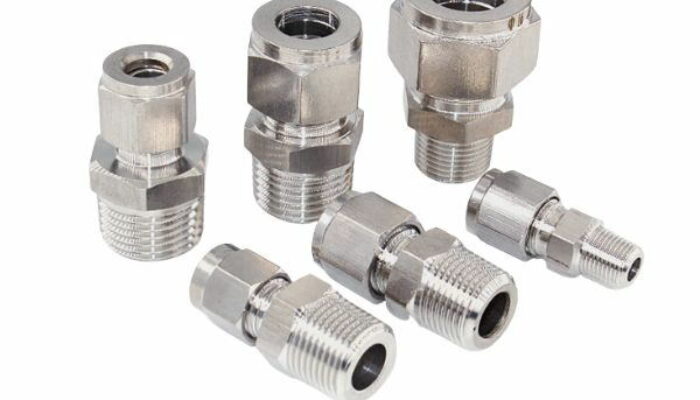
Instrumentation fittings are critical components that connect various parts within industrial measurement and control systems. Much like the circulatory system in the human body, these fittings enable the smooth flow of fluids and gases, ensuring precise monitoring and regulation of industrial processes. The manufacturers of these fittings play a pivotal role by designing and producing components that uphold the integrity and functionality of complex instrumentation networks.
Role and Importance of Instrumentation Fitting Manufacturers
Understanding the significance of instrumentation fitting manufacturers requires an appreciation of the intricate balance between design, production, and practical application. These manufacturers specialize in fabricating fittings tailored to specific industrial needs, capable of enduring diverse pressures and temperature ranges. Industries such as oil and gas, pharmaceuticals, and chemical processing demand fittings that combine precision engineering with robust durability to maintain system reliability.
Types of Instrumentation Fittings
The variety of instrumentation fittings is extensive, each type engineered for distinct purposes:
- Compression Fittings:
These provide secure, leak-proof connections between pipes, commonly used in environments requiring high integrity, such as chemical plants. - Flare Fittings:
Featuring a tapered design, flare fittings create tight seals ideal for high-pressure applications. - Bulkhead Fittings:
Designed to pass through panels or walls, these fittings maintain system integrity while allowing fluid or gas transfer across barriers.
Material Selection and Its Impact
The manufacturing process demands a deep understanding of material properties, including physical strength and chemical resistance. Commonly used materials include stainless steel, brass, and various plastics, each chosen for their ability to resist corrosion, fatigue, and temperature extremes. Selecting the appropriate material is crucial, as it directly influences the fitting’s performance and suitability for specific industrial environments.
Manufacturing Techniques and Quality Assurance
Instrumentation fitting manufacturers blend advanced technology with traditional craftsmanship to produce components that meet or exceed stringent industry standards. Quality assurance is fundamental, involving comprehensive testing such as pneumatic and hydraulic pressure tests, material integrity evaluations, and precise dimensional inspections. These rigorous procedures ensure that every fitting delivered is reliable and compliant with international specifications.
Customization and Collaborative Engineering
Customization is a hallmark of modern instrumentation fitting manufacturing. Manufacturers often work closely with clients to develop bespoke solutions tailored to unique operational requirements. This collaborative approach fosters innovation and results in fittings that not only meet but enhance the functionality of the systems they serve.
Global Market Dynamics and Regulatory Compliance
The international trade of instrumentation fittings requires manufacturers to navigate a complex landscape of regulatory standards across different regions. Adhering to these diverse compliance requirements is essential for market access and competitiveness, demanding adaptability and thorough knowledge of global industrial regulations.
Sustainability Trends in Instrumentation Fitting Manufacturing
Environmental considerations are increasingly influencing manufacturing practices. The adoption of eco-friendly materials, recycling initiatives, and waste reduction strategies are becoming integral to production processes. This shift towards sustainability encourages manufacturers to innovate while balancing traditional manufacturing excellence with environmental responsibility.
Technological Advancements in Manufacturing
Modern instrumentation fitting manufacturers leverage cutting-edge technologies such as automation, additive manufacturing (3D printing), and predictive analytics. These innovations streamline production, improve precision, and enhance product quality, marking a new era of efficiency without compromising reliability.
Why Instrumentation Fitting Manufacturing Matters
Instrumentation fitting manufacturers are foundational to the success of industrial measurement and control systems. Their expertise ensures that fittings perform flawlessly under demanding conditions, supporting accurate data collection and process control. As industries evolve, these manufacturers continue to drive advancements that uphold precision, safety, and operational excellence in critical applications worldwide.
FAQ
What are instrumentation fittings?
Instrumentation fittings are components that connect various parts within industrial measurement and control systems, ensuring the smooth flow of fluids and gases.
Why are instrumentation fitting manufacturers important?
They design and produce fittings that ensure the reliability and functionality of complex instrumentation networks across various industries.
What types of instrumentation fittings exist?
Common types include compression fittings, flare fittings, and bulkhead fittings, each designed for specific applications.
What materials are used for manufacturing instrumentation fittings?
Materials like stainless steel, brass, and various plastics are commonly used for their strength and resistance to corrosion.
How do manufacturers ensure quality in instrumentation fittings?
Quality assurance involves rigorous testing, including pneumatic and hydraulic pressure tests and material integrity evaluations.



Leave a Reply