
Short Answer
Definition of Outside Thickness Measurement
Outside thickness measurement refers to the process of determining the external dimension or thickness of a material or object. This measurement is essential across numerous fields such as manufacturing, engineering, quality assurance, and scientific research. Accurate thickness data ensures that materials meet design specifications, maintain structural integrity, and comply with regulatory standards.
Common Instruments for Measuring Outside Thickness
A variety of tools and devices have been developed to measure the external thickness of materials, each suited to different applications and material types. These instruments range from simple mechanical devices to advanced electronic and optical systems.
Calipers
Calipers are among the most widely used tools for measuring outside thickness. Available in both analog and digital formats, calipers consist of two arms-one fixed and one movable-that clamp around the object to gauge its thickness. They are versatile and can measure metals, plastics, wood, and other materials with reasonable precision. Their straightforward operation and portability make them indispensable in workshops and manufacturing environments where quick, accurate measurements are required.
Ultrasonic Thickness Gauges
Ultrasonic thickness gauges utilize high-frequency sound waves to non-invasively measure material thickness. The device emits ultrasonic pulses that travel through the material and reflect off internal boundaries or the opposite surface. By calculating the time interval between emission and echo reception, the gauge determines the thickness with high accuracy, often within micrometers. These gauges are particularly useful for inspecting pipes, tanks, and pressure vessels where direct contact or destructive testing is impractical.
Microtometers
Microtometers provide extremely precise thickness measurements, especially for very thin samples. They operate by using a calibrated microscope combined with a microtome, which slices the sample incrementally while recording thickness data. This method is prevalent in laboratory settings such as histology and materials science, where understanding microstructural details is critical.
Laser Thickness Gauges
Laser thickness gauges employ laser beams to measure thickness without physical contact. The instrument projects a laser onto the material surface and measures the distance based on the reflected beam. This non-contact approach reduces the risk of damaging delicate materials and allows for rapid, repeated measurements. Laser gauges are commonly used in industries like automotive and electronics, where precision and speed are paramount.
X-ray Fluorescence (XRF) Analyzers
While primarily designed for compositional analysis, XRF analyzers can also measure thickness, especially in coatings and layered materials. By bombarding the sample with X-rays and analyzing the emitted fluorescent X-rays, these devices provide information on both material composition and thickness. Applications include quality control in manufacturing and environmental monitoring of coatings.
Eddy Current Thickness Gauges
Eddy current gauges measure thickness by inducing electromagnetic currents in conductive materials. Variations in these currents correlate with material thickness, enabling non-contact and non-destructive testing. This technology is widely used in aerospace and automotive industries to verify the integrity of metal components.
Dial Indicator Thickness Gauges for Soft Materials
For pliable materials such as textiles, foams, and soft polymers, dial indicator thickness gauges are often employed. These devices use a probe that compresses the material slightly to provide a direct thickness reading. This controlled compression ensures consistent and reliable measurements, making them suitable for industries like fashion, upholstery, and insulation manufacturing.
Automated Thickness Measurement Systems
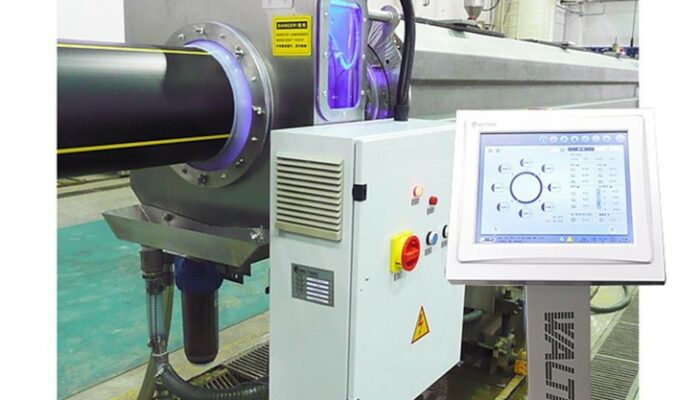
In high-volume production environments, automated thickness measurement systems integrate multiple technologies-such as laser, ultrasonic, and X-ray-to perform rapid, continuous measurements on production lines. These systems enhance throughput while maintaining stringent quality control, thereby improving manufacturing efficiency and product consistency.
How Outside Thickness Measurement Works
The fundamental principle behind outside thickness measurement varies depending on the instrument used:
- Mechanical methods: Tools like calipers physically contact the material to gauge thickness by measuring the distance between two points.
- Ultrasonic methods: Sound waves are transmitted through the material, and the time delay of reflected waves is used to calculate thickness.
- Optical methods: Laser beams measure distance by analyzing reflected light, enabling non-contact thickness determination.
- Electromagnetic methods: Eddy currents induced in conductive materials change with thickness, allowing indirect measurement.
- X-ray fluorescence: X-rays excite atoms in the material, and the emitted secondary X-rays provide data on thickness and composition.
Mathematical Principles and Formulas
Thickness measurement often relies on time, distance, or electromagnetic properties, depending on the technique:
Ultrasonic Thickness Measurement Formula
The thickness t is calculated using the formula:
t = (v × Δt) / 2
- t: Thickness of the material
- v: Velocity of the ultrasonic wave in the material
- Δt: Time interval between the emitted and reflected ultrasonic pulse
The division by 2 accounts for the round-trip travel of the sound wave.
Eddy Current Thickness Measurement Principle
The strength and phase of eddy currents induced in a conductive material vary with thickness. Although the exact relationship depends on material properties and frequency, the measurement is typically calibrated against known standards to correlate eddy current response with thickness.
Practical Applications and Examples
- Manufacturing: Calipers and laser gauges ensure components meet design specifications.
- Pipeline inspection: Ultrasonic gauges detect corrosion or thinning in pipes without dismantling.
- Material research: Microtometers analyze thin films and biological samples.
- Automotive industry: Laser and eddy current gauges verify paint thickness and metal integrity.
- Textile production: Dial indicator gauges measure fabric thickness for quality control.
Common Misunderstandings About Thickness Measurement
- Misconception: All thickness gauges can be used interchangeably for any material.
Correction: Different materials and applications require specific measurement techniques to ensure accuracy and avoid damage. - Misconception: Non-contact methods are always superior to contact methods.
Correction: While non-contact methods reduce risk of damage, contact methods like calipers can be more practical and cost-effective for many applications. - Misconception: Ultrasonic gauges can measure thickness regardless of material condition.
Correction: Surface roughness, coatings, and material homogeneity can affect ultrasonic measurement accuracy.
Significance of Accurate Outside Thickness Measurement
Precise measurement of external thickness is vital for ensuring product quality, safety, and performance. In engineering and manufacturing, it helps prevent structural failures and guarantees compliance with standards. In scientific research, it enables detailed material characterization. As technology advances, the demand for more accurate, efficient, and non-destructive thickness measurement methods continues to grow, driving innovation and improving industrial processes worldwide.
FAQ
What instrument is best for measuring the thickness of soft materials?
Dial indicator thickness gauges are preferred for soft materials like textiles and foams because they compress the material slightly to provide consistent thickness readings.
How does an ultrasonic thickness gauge work?
It sends ultrasonic pulses through the material and measures the time interval for echoes to return, calculating thickness based on sound velocity.
Can laser thickness gauges damage the material being measured?
No, laser thickness gauges are non-contact instruments that measure thickness without physically touching or damaging the material.
Are all thickness gauges interchangeable for different materials?
No, each gauge type is optimized for specific materials and conditions to ensure accuracy and avoid damage.

Leave a Reply