
Short Answer
Definition of Earth Resistance
Earth resistance is the measure of opposition that the earth presents to the flow of electric current as it disperses through grounding electrodes into the soil. This parameter is crucial in electrical and civil engineering, as it determines the effectiveness of grounding systems designed to safely dissipate fault currents and protect both equipment and personnel.
- Grounding System:
A network of electrodes installed in the earth to provide a low-resistance path for electrical currents to safely dissipate. - Earth Resistance:
The resistance encountered by electrical current flowing from the grounding system into the surrounding soil.
Importance of Measuring Earth Resistance
Accurate measurement of earth resistance is vital for ensuring the safety and reliability of electrical installations. Poor grounding can lead to hazardous conditions such as electric shocks, equipment malfunction, and failures in power distribution networks. By assessing earth resistance, engineers can verify that grounding systems are functioning correctly and meet safety standards.
Moreover, as modern electrical systems increasingly incorporate renewable energy sources like solar and wind power, the need for robust grounding becomes even more critical. These systems are susceptible to transient surges and lightning strikes, making effective earth resistance management essential for operational stability and longevity.
Principles and Methods of Earth Resistance Measurement
The most common technique for measuring earth resistance is the three-electrode method, also known as the Wenner or fall-of-potential method. This approach involves driving two current electrodes into the ground at a predetermined distance and placing a voltage electrode between them to measure the potential difference. The resistance is then calculated using Ohm’s law, which relates voltage, current, and resistance.
- Three-Electrode Method:
Utilizes two current electrodes and one voltage electrode to determine earth resistance by measuring voltage drop and current flow. - Ohm’s Law:
The fundamental formula used to calculate resistance: R = V / I, where R is resistance, V is voltage, and I is current.
Handheld Earth Resistance Meters: Features and Functionality
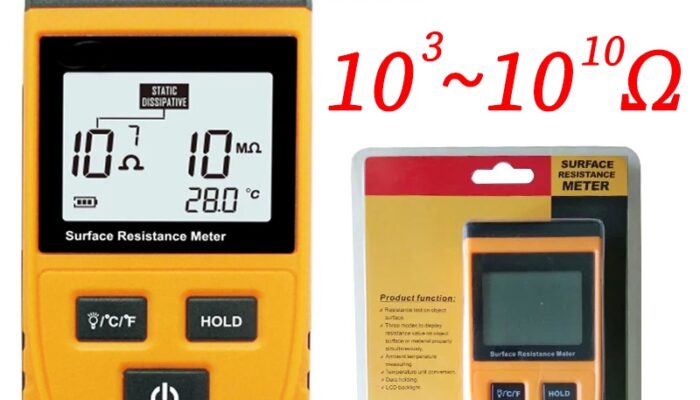
Handheld earth resistance meters are portable devices designed for ease of use in the field. They often incorporate multiple measurement capabilities beyond resistance, such as soil resistivity, capacitance, and inductance. These additional functions provide a comprehensive understanding of ground conditions, which is essential for designing effective grounding systems.
Modern handheld meters have evolved to include digital displays, automated data logging, and wireless connectivity options like Bluetooth. These advancements facilitate accurate data collection, trend analysis, and streamlined maintenance processes.
Soil Resistivity and Its Role
Soil resistivity is an intrinsic property of the earth that influences the performance of grounding systems. It varies with factors such as moisture content, temperature, and mineral composition. Measuring soil resistivity helps engineers tailor grounding designs to specific site conditions, ensuring optimal safety and functionality.
Applications and Real-World Examples
Earth resistance measurement is indispensable across various sectors:
- Electrical Power Systems:
Ensuring safe dissipation of fault currents to prevent electrical hazards. - Renewable Energy Installations:
Protecting solar panels and wind turbines from lightning and transient surges through effective grounding. - Telecommunications:
Reducing electromagnetic interference by maintaining reliable grounding, thereby improving signal quality.
Common Misconceptions About Earth Resistance
A low earth resistance value guarantees complete safety.
While low resistance improves safety, other factors such as grounding system design and maintenance also play critical roles.
Earth resistance remains constant over time.
Earth resistance can fluctuate due to environmental changes like soil moisture and temperature variations, necessitating regular testing.
Regulatory Standards and Testing Protocols
Various regulatory agencies and standards organizations mandate periodic earth resistance testing to ensure compliance with safety requirements. These standards specify maximum allowable resistance values for grounding systems, promoting consistent safety practices across industries. Adhering to these protocols helps prevent electrical accidents and equipment damage.
Conclusion: The Role of Earth Resistance Measurement in Modern Engineering
Measuring earth resistance, particularly through the use of handheld meters, represents a critical intersection of technology, safety, and engineering expertise. The portability and multifunctionality of these instruments make them essential tools for professionals tasked with maintaining electrical system integrity. As electrical infrastructure continues to expand and evolve, the ongoing assessment of earth resistance will remain a foundational practice, safeguarding both people and technology in an increasingly electrified world.
FAQ
What instrument is used to measure earth resistance?
A handheld earth resistance meter is used to measure earth resistance, commonly operating using the three-electrode method.
How does the three-electrode method work?
It involves placing two current electrodes into the ground and a voltage electrode to measure potential difference, allowing calculation of resistance using Ohm's law.
Why is earth resistance measurement critical?
It ensures grounding systems effectively dissipate fault currents, preventing electric shocks, equipment damage, and system failures.
What environmental factors influence earth resistance?
Soil resistivity affected by temperature, moisture, and mineral content influences earth resistance values.
Are modern earth resistance meters technologically advanced?
Yes, many include features like digital displays, automated data logging, and Bluetooth connectivity for improved accuracy and usability.


Leave a Reply