

Short Answer
Definition
The integration of physics within biomedical science represents a multidisciplinary approach that applies physical principles to understand, diagnose, and treat biological systems and medical conditions. This fusion explores how fundamental laws of physics govern the structure and function of living organisms, thereby enhancing medical technologies and therapeutic strategies.
- Biomedical Science:
The study of biological processes and diseases with the aim of improving health outcomes. - Physics:
The natural science concerned with the properties and interactions of matter and energy. - Interdisciplinary Approach:
Combining physics and biology to innovate diagnostic tools, medical devices, and treatment methods.
Role of Physics in Medical Imaging
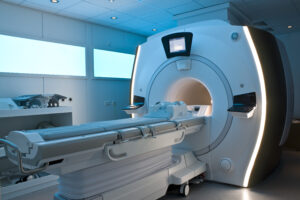
Physics forms the backbone of various advanced imaging modalities that allow clinicians to visualize internal body structures non-invasively. Techniques such as Magnetic Resonance Imaging (MRI), Computed Tomography (CT), and ultrasound imaging rely on electromagnetic waves and acoustic principles to generate detailed anatomical and functional images.
- Magnetic Resonance Imaging (MRI):
Utilizes nuclear magnetic resonance to produce high-resolution images of soft tissues, aiding in the detection of abnormalities. - Computed Tomography (CT):
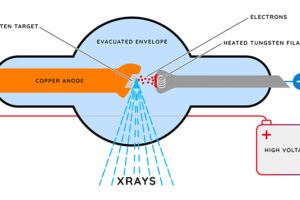
Employs X-rays and computer processing to create cross-sectional images of the body. - Ultrasound Imaging:
Uses high-frequency sound waves to visualize organs and blood flow in real time.
Biophysics: Exploring Life Through Physical Laws
Biophysics investigates biological molecules and systems by applying physical concepts and methodologies. This field elucidates the forces and interactions at the molecular level, providing insights into the mechanisms of life processes such as enzyme activity, molecular signaling, and membrane dynamics.
- Molecular Dynamics:
Studies the movement and interaction of molecules over time, crucial for understanding biochemical reactions. - Structural Techniques:
Methods like X-ray crystallography and electron microscopy reveal the three-dimensional architecture of biomolecules.
Biomedical Engineering and Physical Principles
Biomedical engineering leverages physics to design and develop medical devices and therapeutic technologies that improve patient care. Understanding biomechanics and material science is essential for creating prosthetics, implants, and drug delivery systems that mimic or enhance biological functions.
- Prosthetics Design:
Requires replication of anatomical form and mechanical function to restore mobility and dexterity. - Drug Delivery Systems:
Utilize physical principles to target and control the release of medications within the body.
Fluid Dynamics in Circulatory Health
The study of fluid mechanics is vital for comprehending blood flow within the cardiovascular system. Mathematical models describe how blood moves through vessels, highlighting phenomena such as laminar and turbulent flow, pressure differences, and shear forces that influence vascular health.
- Hemodynamics:
Analysis of blood flow dynamics to detect and manage conditions like atherosclerosis and hypertension. - Pressure Gradients and Shear Stress:
Key factors affecting endothelial function and vessel integrity.
Systems Biology and Physical Modeling
Systems biology employs computational and physical models to simulate complex biological networks, enabling a comprehensive understanding of cellular and organismal functions. This approach integrates statistical mechanics and thermodynamics to predict biological responses and identify potential therapeutic targets.
Advancements in Biophotonics
Biophotonics merges physics, biology, and engineering to develop innovative diagnostic and therapeutic techniques based on light interactions with biological tissues. Methods such as fluorescence lifetime imaging and laser-induced breakdown spectroscopy enhance molecular-level detection of diseases.
- Fluorescence Lifetime Imaging:
Measures the decay time of fluorescent signals to differentiate healthy and diseased tissues. - Laser-Induced Breakdown Spectroscopy:
Analyzes elemental composition for early disease detection.
Physics in Epidemiology and Public Health
Statistical physics contributes to epidemiology by modeling the spread and control of infectious diseases. Concepts like network theory and phase transitions help predict outbreak patterns and inform public health interventions.
- Network Theory:
Examines how individuals and populations interact to influence disease transmission. - Phase Transitions:
Describes sudden changes in disease dynamics, aiding in outbreak prediction.
Why the Integration of Physics and Biomedical Science is Crucial
The convergence of physics and biomedical science drives innovation in healthcare by deepening our understanding of biological systems and enhancing diagnostic and therapeutic capabilities. This interdisciplinary synergy fosters the development of cutting-edge technologies and methodologies that improve patient outcomes and advance medical research.
FAQ
What are the main contributions of physics to biomedical science?
Physics contributes through medical imaging technologies, understanding molecular biology via biophysics, engineering medical devices, fluid dynamics in blood flow, systems biology modeling, advanced light-based diagnostics, and epidemiological disease modeling.
Why is medical imaging important in biomedical science?
Medical imaging allows non-invasive visualization of internal body structures, aiding in accurate diagnosis and treatment planning by applying physical principles such as electromagnetic radiation and sound wave propagation.
How does biophysics help in understanding diseases?
Biophysics elucidates the physical interactions within biological molecules and systems, helping to reveal the molecular basis of diseases and guiding the development of targeted therapies.
In what way does fluid dynamics relate to cardiovascular health?
Fluid dynamics explains blood flow behavior, enabling the assessment of cardiovascular conditions, understanding blood flow abnormalities, and informing treatment strategies.
Can physics influence public health strategies?
Yes, statistical physics and network theory models help understand disease spread dynamics and optimize intervention strategies to control infectious outbreaks.




Leave a Reply