
Short Answer
Definition of Environmental Ethics
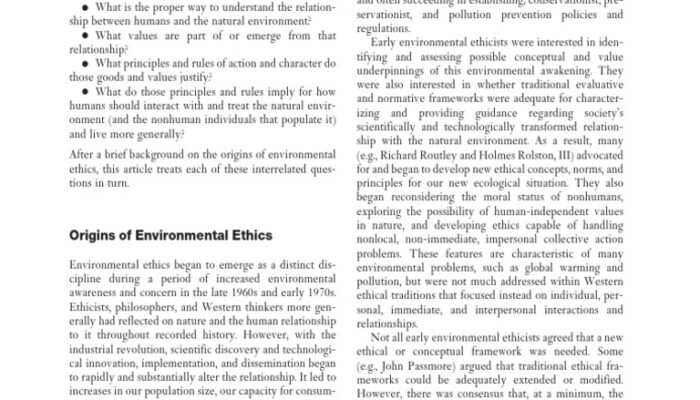
Environmental ethics is a philosophical discipline that examines the moral relationship between humans and the natural environment. It seeks to understand how ethical principles apply to our interactions with the earth, its ecosystems, and all living beings. This field has gained prominence due to escalating ecological challenges such as climate change, habitat destruction, pollution, and species extinction. By reassessing traditional ethical frameworks, environmental ethics aims to guide humanity toward sustainable and responsible stewardship of the planet.
Core Perspectives in Environmental Ethics
Anthropocentrism: Human-Centered Ethics
Anthropocentrism places humans at the center of moral concern, asserting that human interests and welfare are paramount. This viewpoint regards nature primarily as a resource to be managed and utilized for human benefit. Advocates emphasize environmental protection insofar as it serves human needs, such as health, economic prosperity, and quality of life. However, critics argue that this approach often leads to exploitation and neglects the intrinsic worth of non-human entities.
Biocentrism: Valuing All Life Forms
Biocentrism expands moral consideration beyond humans to include all living organisms. It holds that animals, plants, and even microorganisms possess inherent value and deserve ethical respect. This perspective highlights the interconnectedness of life and promotes the preservation of biodiversity and ecosystems. By recognizing the intrinsic worth of all life, biocentrism challenges human-centered attitudes and encourages a more inclusive ethical stance toward nature.
Ecocentrism: Prioritizing Ecosystems
Ecocentrism advances the ethical focus from individual organisms to entire ecological systems. It asserts that ecosystems, habitats, and the complex relationships within them have intrinsic value independent of their utility to humans or individual species. This approach advocates for policies and practices that sustain the health and integrity of whole ecosystems, acknowledging that human well-being is deeply intertwined with environmental stability.
Deep Ecology: A Radical Ecological Philosophy
Emerging from the ecocentric tradition, deep ecology calls for a profound shift in human consciousness and societal values. Founded by Arne Naess, this philosophy emphasizes the intrinsic worth of all living beings and the environment as a whole. Deep ecology promotes reducing human population and consumption to allow natural systems to regenerate. It encourages a deep ecological awareness that fosters harmony between humans and the natural world through transformative cultural and structural changes.
Ecofeminism: Linking Gender and Environmental Justice
Ecofeminism explores the connections between the oppression of women and the exploitation of nature, arguing that both stem from patriarchal social structures. This perspective highlights how environmental degradation and gender inequality are intertwined issues. Ecofeminists advocate for inclusive environmental ethics that address social justice, empowerment, and equity, emphasizing the importance of marginalized voices in ecological sustainability efforts.
Land Ethics: Extending Moral Community to the Land
Developed by Aldo Leopold, land ethics broadens the scope of ethical responsibility to include the land itself-soil, water, plants, and animals. It promotes a respectful and reciprocal relationship with the natural environment, encouraging stewardship and conservation that maintain the integrity and health of ecosystems. This ethic fosters a sense of place and community, urging individuals to consider the long-term environmental legacy they leave behind.
Environmental Pragmatism: Practical Solutions for Sustainability
Environmental pragmatism emphasizes actionable and flexible approaches to environmental challenges rather than strict adherence to any single ethical theory. It encourages collaboration among scientists, policymakers, activists, and businesses to develop effective strategies for environmental protection. This perspective values practical outcomes and adaptability, supporting innovation and diverse methods-from technological advances to grassroots initiatives-to address ecological problems.
Why Environmental Ethics Is Crucial
Understanding and applying environmental ethics is vital in addressing the complex ecological crises facing the planet. These ethical frameworks shape how societies value nature, influence policy decisions, and guide individual behavior. By fostering a deeper moral awareness of our interconnectedness with the natural world, environmental ethics promotes sustainable living, biodiversity conservation, and the protection of ecosystems. Ultimately, it helps ensure a balanced coexistence between humanity and the environment, securing the well-being of current and future generations.
Common Misconceptions About Environmental Ethics
Environmental ethics only concerns animal rights.
While animal welfare is a component, environmental ethics encompasses broader issues including ecosystems, biodiversity, and human responsibilities toward the entire natural world.
Anthropocentrism ignores environmental protection.
Anthropocentrism supports environmental conservation when it benefits human welfare, though it may undervalue non-human interests.
Deep ecology advocates for abandoning all human development.
Deep ecology calls for reducing harmful impacts and consumption, not necessarily halting all human progress, aiming for harmony with nature.
Real-World Applications of Environmental Ethics
Environmental ethics informs numerous practical initiatives worldwide:
- Conservation Policies:
Governments and organizations use ethical principles to design protected areas, wildlife reserves, and sustainable resource management plans. - Corporate Sustainability:
Businesses integrate environmental ethics into corporate social responsibility, reducing pollution and promoting eco-friendly products. - Community Engagement:
Grassroots movements and indigenous groups apply ethical frameworks to advocate for environmental justice and preservation of traditional lands. - Environmental Education:
Schools and universities incorporate environmental ethics to cultivate ecological awareness and responsible citizenship.
FAQ
What are the major views of environmental ethics?
The major views include anthropocentrism, biocentrism, ecocentrism, deep ecology, ecofeminism, land ethics, and environmental pragmatism.
Why is environmental ethics important?
Environmental ethics helps define moral responsibilities toward nature, promoting sustainability and guiding policies to address environmental challenges.
How does land ethics differ from other views?
Land ethics, developed by Aldo Leopold, extends moral consideration to the land itself, emphasizing stewardship and respect for ecosystems and natural landscapes.





Leave a Reply