
Short Answer
Definition of Medical Physics
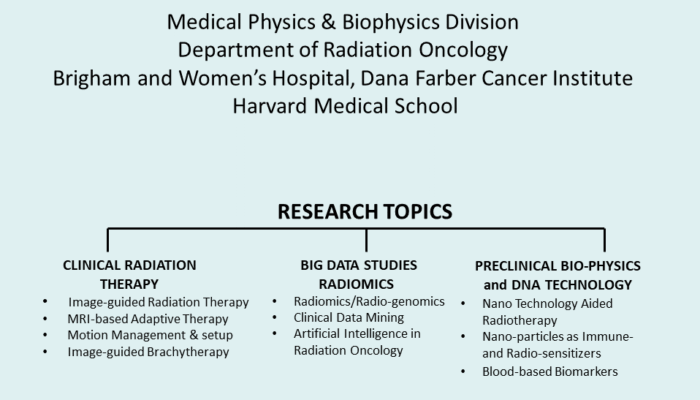
Medical physics is a complex interdisciplinary field that merges the principles of physics with medical science to improve the diagnosis and treatment of diseases. It involves applying physical concepts and techniques to healthcare, aiming to enhance patient care through technological innovation and precise therapeutic interventions. This discipline encompasses multiple specialized branches, each contributing uniquely to medical advancements and patient outcomes.
Key Specializations in Medical Physics
Radiation Oncology
Radiation oncology focuses on the therapeutic use of ionizing radiation to eradicate cancerous cells. Medical physicists in this specialty play a critical role in designing and delivering radiation treatments with high accuracy, ensuring that tumor tissues receive the intended dose while protecting healthy surrounding areas. Their responsibilities include calibrating linear accelerators, utilizing advanced imaging for tumor localization, and monitoring treatment progress. With the advent of personalized medicine, radiation oncology is increasingly integrating genomic information and artificial intelligence to tailor treatment plans for individual patients.
Diagnostic Imaging
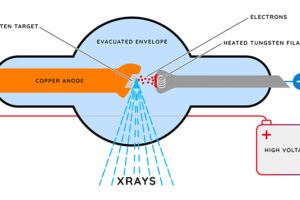
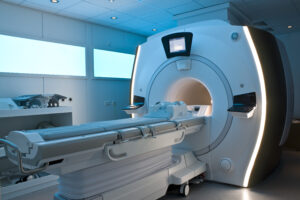
This specialization involves the development and optimization of imaging technologies such as X-rays, magnetic resonance imaging (MRI), positron emission tomography (PET), and ultrasound. Medical physicists ensure the quality of images, maintain radiation safety standards, and comply with regulatory requirements. Recent progress in computational methods has introduced new imaging biomarkers that enable earlier detection and more precise monitoring of diseases. By leveraging machine learning and sophisticated algorithms, diagnostic imaging is evolving towards more personalized and accurate medical assessments.
Nuclear Medicine
Nuclear medicine employs radioactive materials for both diagnostic imaging and therapeutic applications. Medical physicists in this field oversee the safe handling and administration of radiopharmaceuticals and accurately quantify the distribution of radiotracers within the body. This specialty is distinctive because it provides real-time visualization of physiological processes, offering insights beyond structural imaging. The development of targeted radionuclide therapies exemplifies the dynamic collaboration between physicists, chemists, and clinicians to create innovative treatments for cancer and cardiovascular diseases.
Medical Health Physics
Medical health physics is dedicated to ensuring the safe use of radiation in medical environments. Specialists in this area monitor and control radiation exposure to patients and healthcare workers, conduct risk assessments, and implement safety protocols to prevent harmful effects. As diagnostic and therapeutic technologies become more complex, health physicists play an essential role in updating safety regulations and enhancing occupational protection, particularly in high-exposure settings like interventional radiology.
Radiation Safety
Radiation safety focuses on minimizing the risks associated with exposure to ionizing radiation during medical procedures. Medical physicists develop emergency response plans, evaluate potential health hazards, and educate medical staff on the proper use of radiological equipment. Their role extends beyond regulatory compliance, emphasizing proactive risk management and training to ensure safe clinical practices. With increasing regulatory scrutiny, the importance of radiation safety continues to grow within the medical physics community.
Engineering Physics in Medicine
Engineering physics bridges the gap between engineering principles and medical applications, playing a vital role in the design and development of medical devices. Medical physicists contribute to conceptualizing, testing, and validating diagnostic and therapeutic equipment to ensure optimal performance. This specialization is crucial for translating scientific innovations into practical clinical tools. Emerging areas such as bioengineering and nanotechnology further integrate engineering with biological systems, promising significant advancements in healthcare technology.
Biophysics in Medical Applications
Biophysics examines the physical mechanisms underlying biological processes and is integral to understanding how various treatments interact with living tissues. Medical physicists apply biophysical principles to study radiation effects and the behavior of therapeutic agents at the molecular and cellular levels. This knowledge supports the development of more precise treatment protocols that consider individual biological differences, enhancing the effectiveness and safety of medical interventions.
Education and Training in Medical Physics
Education and professional development are fundamental to sustaining the growth and quality of medical physics. This specialization focuses on creating comprehensive training programs and curricula to prepare future medical physicists for the evolving demands of healthcare technology. Emphasizing interdisciplinary collaboration and continuous learning, education in medical physics ensures that practitioners remain proficient in cutting-edge techniques and innovations, thereby securing the discipline’s future impact on medicine.
Why Medical Physics is Essential
Medical physics plays a pivotal role in advancing healthcare by integrating physical science with clinical practice. Its specializations contribute to more accurate diagnostics, safer and more effective treatments, and the development of innovative medical technologies. As healthcare becomes increasingly personalized and technology-driven, medical physics ensures that these advancements translate into improved patient outcomes and enhanced safety standards. The ongoing evolution of this field promises to unlock new possibilities in medicine, driven by interdisciplinary collaboration and scientific curiosity.
FAQ
What is medical physics?
Medical physics applies physics principles to medicine, focusing on diagnosis, treatment, and safety in healthcare.
What are the main areas of specialization in medical physics?
Radiation oncology, diagnostic imaging, nuclear medicine, health physics, radiation safety, engineering physics, biophysics, and professional education.
How do medical physicists improve patient care?
By ensuring precise treatment planning, enhancing imaging quality, maintaining safety standards, and developing innovative medical technologies.



Leave a Reply