
Short Answer
Definition of Thorium and Its Role in Nuclear Energy
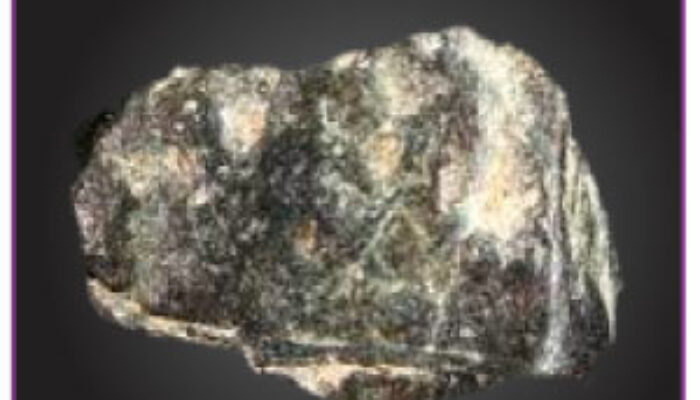
Thorium is a naturally occurring, silvery-white radioactive metal that belongs to the actinide series on the periodic table, with an atomic number of 90. It is considerably more abundant in the Earth’s crust than uranium, making it an attractive option for long-term energy security. Unlike uranium, thorium itself is not fissile but can be converted into uranium-233, a fissile isotope, through neutron absorption in a nuclear reactor. This transformation enables thorium to serve as a nuclear fuel, offering an alternative pathway for energy generation.
Properties and Advantages of Thorium as a Nuclear Fuel
- Abundance and Availability:
Thorium is found in greater quantities worldwide compared to uranium, which could ensure a more sustainable supply of nuclear fuel for future generations. - Safety Characteristics:
Thorium-based reactors inherently possess enhanced safety features. They are designed to be passively safe, meaning they can shut down naturally without human intervention in case of malfunction. Additionally, the presence of uranium-232 as a byproduct emits strong gamma radiation, which acts as a deterrent against nuclear proliferation. - Waste Management Benefits:
The radioactive waste produced from thorium fission primarily consists of isotopes with shorter half-lives, simplifying disposal and reducing long-term environmental hazards compared to conventional uranium reactors. - Fuel Cycle Efficiency:
Thorium fuel cycles can potentially recycle some of their byproducts, promoting a more sustainable and efficient use of nuclear material.
Mechanism of Thorium Nuclear Fuel Cycle
The thorium fuel cycle operates by converting thorium-232 into uranium-233 through neutron capture. When thorium absorbs a neutron, it transmutes into thorium-233, which quickly decays into protactinium-233 and then into uranium-233, the fissile material capable of sustaining a nuclear chain reaction. This process requires a neutron source, often provided by an initial fissile material or an external neutron generator, to initiate and maintain the reaction within a reactor environment.
Innovative Reactor Designs Utilizing Thorium
One of the most promising reactor concepts for thorium utilization is the Liquid Fluoride Thorium Reactor (LFTR). This design uses a molten fluoride salt mixture as both fuel and coolant, operating at atmospheric pressure and high temperatures. The liquid fuel form allows continuous processing and removal of fission products, enhancing fuel efficiency and reactor responsiveness. LFTRs exemplify the potential for thorium reactors to achieve higher thermal efficiency and improved safety compared to traditional solid-fuel reactors.
Challenges in Thorium Reactor Development
- Technological Barriers:
The conversion of thorium to uranium-233 involves complex neutron economy management, requiring advanced reactor designs to optimize neutron capture and minimize external neutron dependency. - Limited Operational Experience:
Currently, there are few operational thorium reactors worldwide, with most nuclear infrastructure heavily invested in uranium-based systems, making the transition to thorium a significant undertaking. - Regulatory and Policy Hurdles:
Establishing comprehensive regulatory frameworks for thorium fuel use demands international cooperation and time, as existing policies primarily focus on uranium and plutonium fuel cycles.
Global Interest and Research Initiatives
Several countries, notably India, have prioritized thorium research due to their substantial thorium reserves and strategic energy goals. Collaborative efforts between academic institutions, industry stakeholders, and international organizations such as the International Atomic Energy Agency (IAEA) are crucial for overcoming technical challenges and advancing thorium technology. These partnerships foster knowledge exchange and promote the integration of thorium into global energy strategies, aligning with climate change mitigation and energy security objectives.
Common Misconceptions About Thorium Energy
Thorium reactors produce no radioactive waste.
While thorium reactors generate less long-lived waste than uranium reactors, they still produce radioactive byproducts that require careful management.
Thorium fuel cycles eliminate all nuclear proliferation risks.
Although thorium cycles complicate proliferation due to uranium-232’s gamma emissions, proliferation risks cannot be entirely dismissed and must be managed through safeguards.
Significance of Thorium in Future Energy Landscapes
Thorium holds considerable promise as a sustainable, safer, and more abundant nuclear fuel alternative. Its potential to provide long-lasting energy supplies with reduced environmental impact positions it as a key player in addressing global energy demands and climate change challenges. The ongoing research and development efforts aim to unlock thorium’s full capabilities, potentially revolutionizing nuclear power generation and contributing to a cleaner energy future.
FAQ
What are the advantages of using thorium as a nuclear fuel?
Thorium offers greater abundance, enhanced safety features, better waste management, and improved fuel cycle efficiency compared to uranium.
Are thorium reactors completely safe?
While thorium reactors have enhanced safety features, they still pose risks and require careful management of radioactive byproducts.
Why is thorium not widely used in nuclear reactors today?
Thorium technology faces challenges such as technological barriers, limited operational experience, and regulatory hurdles.






Leave a Reply