
Short Answer
Definition of the Epistolary Tradition in Science
The epistolary tradition refers to the practice and art of letter writing, which historically played a crucial role in scientific communication. This method of correspondence was not only a means to exchange information but also a platform for intellectual reflection, critique, and collaborative development among scientists. Letters served as a vital channel for sharing ideas, hypotheses, and discoveries long before the digital era transformed communication.
Historical Role of Scientific Correspondence
In earlier centuries, letters were indispensable for the dissemination of scientific knowledge. They enabled scientists to share empirical data and engage in dynamic intellectual discussions. Prominent figures such as Charles Darwin and Albert Einstein extensively used letters to articulate complex theories and solicit feedback. This form of communication functioned as an early peer review system, fostering a collaborative environment where scientific ideas were rigorously examined and refined through written exchanges.
Types of Scientific Letters
Formal Letters
Formal scientific letters followed established conventions, including structured formats with salutations, body content, and signatures. These letters often involved requests for collaboration, clarification of complex concepts, or proposals for joint research. During the Enlightenment, such correspondence was instrumental in building networks among scientists, facilitating cooperative experiments and the sharing of manuscripts.
Informal Letters
Informal letters offered a more personal glimpse into the lives and thoughts of scientists. These communications were less rigid in tone and often revealed the emotional and intellectual struggles behind scientific work. For example, Benjamin Franklin’s letters combined humor and insight, reflecting his diverse interests and humanizing the scientific process by exposing the challenges and triumphs behind discoveries.
Scientific Letters as Precursors to Publication
Another distinct category is the scientific letter, typically concise communications presenting new findings or theories. These letters often preceded full-length scholarly articles and were sent to journal editors to summarize discoveries and invite peer commentary. This format was especially significant during periods of rapid scientific advancement, as it balanced the immediacy of personal communication with the rigor of formal publication, accelerating the spread of new knowledge.
The Dynamics and Impact of Letter Writing in Science
Beyond their content, letters carried an inherent sense of urgency and deliberation. In an era without instant messaging, the wait for a reply could span days or weeks, encouraging thoughtful articulation and careful reasoning. Writing letters demanded clarity and coherence, skills that are increasingly rare in today’s fast-paced digital communication landscape. This reflective process contributed to the depth and quality of scientific discourse.
Letters as Tools for Public Engagement and Advocacy
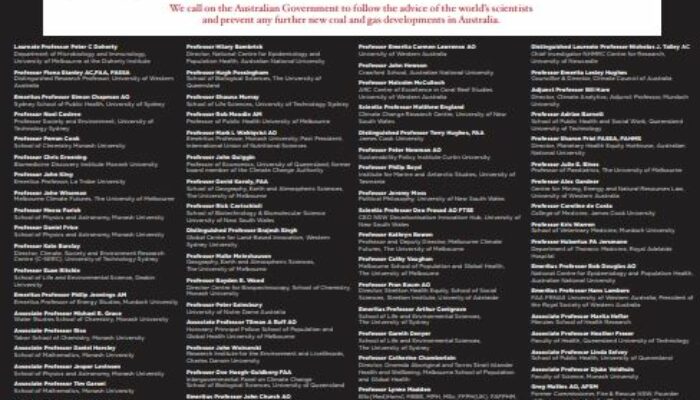
Scientific letters also extended into public advocacy, where open letters and opinion pieces allowed scientists to address societal issues. These communications leveraged scientific authority to influence public policy and opinion. A contemporary example is the widespread use of letters by climate scientists urging policymakers and the public to recognize and act on environmental challenges. This evolution highlights the role of letters in bridging the gap between scientific research and societal impact.
Transition to Digital Communication and Its Consequences
The rise of email and social media has revolutionized scientific collaboration by enabling instant global communication. However, this shift has also diminished the depth and nuance characteristic of traditional letter writing. The brevity and speed of digital exchanges often undermine the thoughtful reflection that letters encouraged, potentially leading to superficial engagement with complex scientific topics. The ephemeral nature of digital messages contrasts sharply with the permanence and deliberateness of handwritten correspondence.
Reviving the Tradition: The Future of Scientific Letter Writing
There is growing recognition within the scientific community of the value in reviving the art of letter writing. Encouraging emerging scientists to adopt this practice could enhance the clarity and depth of their communication, fostering a culture of thoughtful scholarship and intellectual camaraderie. Letters capture the full spectrum of scientific inquiry, including its challenges and successes, and serve as a testament to the enduring quest for knowledge.
Conclusion: The Enduring Legacy of Scientific Letters
The tradition of letter writing in science embodies a rich legacy of intellectual exchange, personal connection, and societal engagement. Its various forms-from formal requests to intimate reflections and concise scientific reports-have shaped the development of scientific thought. Although digital communication dominates today, the principles of depth, reflection, and collaboration inherent in the epistolary tradition remain vital. Rediscovering and cherishing this art could enrich scientific discourse and strengthen the bonds within the scientific community.
FAQ
What role did letters play in scientific collaboration?
Letters facilitated detailed intellectual exchange, critique, and the sharing of empirical findings, enabling collaborative scientific progress.
How did formal and informal scientific letters differ?
Formal letters followed structured conventions for professional communication, while informal letters provided personal insights and reflections from scientists.
Why might scientists consider reviving letter writing?
Reviving letter writing could improve clarity, encourage deeper reflection, and strengthen the culture of thoughtful scientific communication.





Leave a Reply