
Short Answer
Definition of Acoustic Tweezers
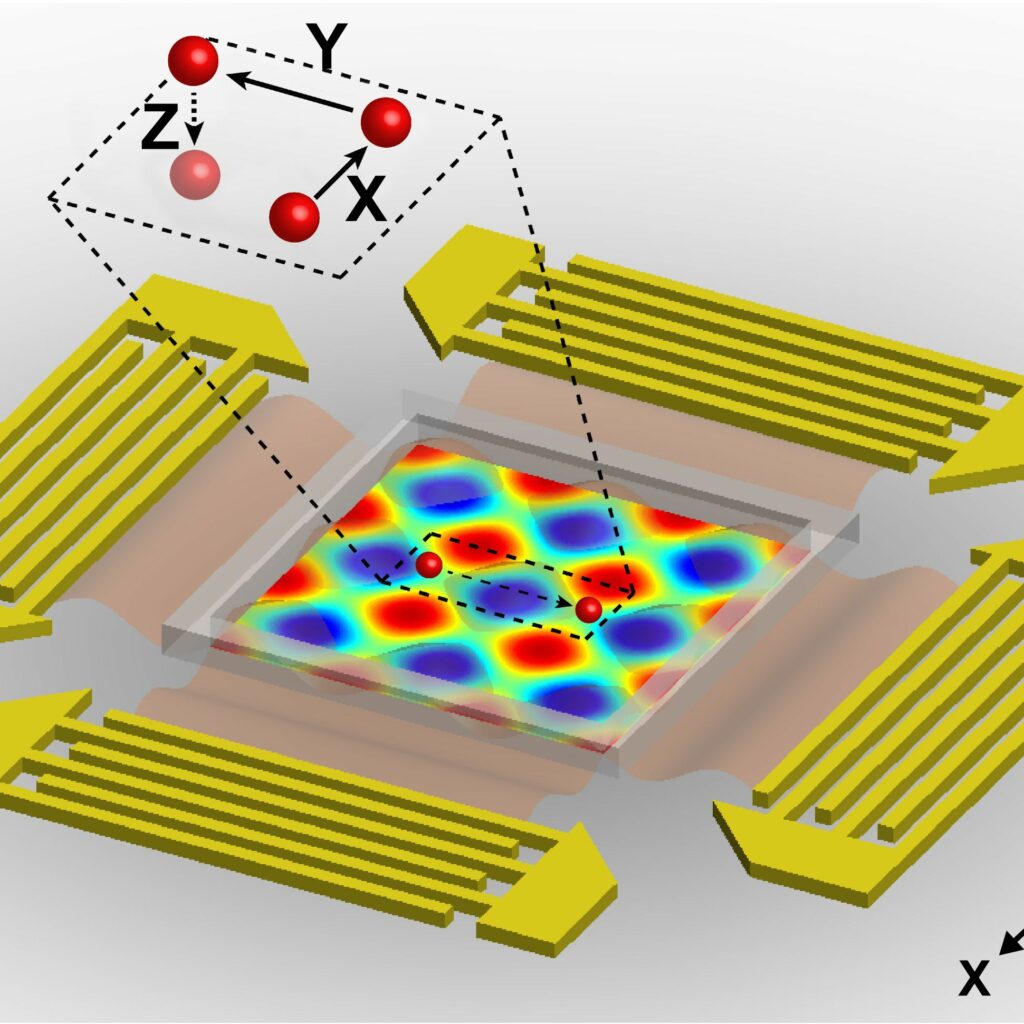
Acoustic tweezers are advanced instruments that utilize sound waves to non-invasively manipulate microscopic particles and living cells. By harnessing the power of ultrasound-generated standing waves, these devices enable precise control over the positioning and movement of biological materials without physical contact or chemical interference. This technology represents a fusion of principles from physics and biology, offering innovative solutions for cellular manipulation in research and medical applications.
Fundamental Principles and Mechanism
The operation of acoustic tweezers is grounded in the creation of standing acoustic waves within a medium, typically a fluid. These waves form alternating zones of high and low pressure, known as nodes and antinodes, which exert forces on suspended particles. By adjusting the frequency and amplitude of ultrasound waves, acoustic tweezers can trap and maneuver cells or microparticles with remarkable accuracy. The sound waves propagate through the medium, enabling contactless manipulation that preserves the integrity of delicate biological specimens.
Technical Explanation and Acoustic Forces
Acoustic tweezers function by generating an acoustic radiation force that acts on particles within the sound field. The primary force arises from the interaction between the particle and the pressure gradients of the standing wave. The magnitude and direction of this force depend on factors such as particle size, density, compressibility, and the acoustic field parameters.
- Acoustic Radiation Force:
This force pushes particles toward either pressure nodes or antinodes depending on their acoustic contrast factor. - Acoustic Contrast Factor:
A parameter that determines whether particles move to nodes or antinodes, influenced by the relative density and compressibility of the particle compared to the surrounding medium.
Applications in Biological and Medical Fields
Acoustic tweezers have found diverse applications across biology and medicine due to their gentle yet precise manipulation capabilities.
- Cell Sorting and Patterning:
By controlling cell positions, researchers can sort and arrange cells into specific configurations, facilitating studies in cell behavior and tissue formation. - Tissue Engineering:
The ability to organize cells into structured assemblies mimics natural tissue architecture, enhancing the development of functional grafts and implants. - Targeted Drug Delivery:
Acoustic tweezers can localize drug-loaded carriers at precise cellular sites, improving therapeutic efficiency while minimizing side effects. - Real-Time Cellular Monitoring:
Their non-invasive nature allows continuous observation of cellular interactions and responses without disrupting natural processes.
Advantages Over Traditional Manipulation Techniques
Compared to conventional methods such as optical tweezers or micro-pipetting, acoustic tweezers offer several key benefits:
- Non-Invasiveness:
They avoid physical contact and chemical agents, reducing the risk of cell damage or alteration. - High Precision:
Fine-tuning acoustic parameters enables exact control over particle positioning. - Compatibility with Delicate Cells:
Ideal for sensitive cell types like stem cells, preserving their functional properties.
Challenges and Future Directions
Despite their promising capabilities, acoustic tweezers face several obstacles before widespread clinical adoption:
- Scaling for In Vivo Use:
Designing devices that operate effectively within the complex and variable environment of living organisms remains a significant challenge. - Interdisciplinary Collaboration:
Progress depends on integrating expertise from physics, biology, and engineering to optimize device performance and biological compatibility. - Ethical Considerations:
Responsible use, especially involving human cells, requires adherence to ethical standards concerning consent and potential impacts.
Significance and Impact
The development of acoustic tweezers marks a transformative step in cellular manipulation technology. Their ability to control biological systems with minimal disruption opens new avenues for research and therapeutic innovation. By enabling precise, real-time interaction with cells, acoustic tweezers enhance our understanding of cellular dynamics and improve strategies in regenerative medicine, drug delivery, and tissue engineering. This technology exemplifies the power of interdisciplinary research to address complex biological challenges and advance healthcare.
Frequently Asked Questions (FAQ)
What exactly are acoustic tweezers?
Acoustic tweezers are devices that use standing sound waves to manipulate microscopic particles and cells without physical contact, enabling precise and gentle control.
How do acoustic tweezers differ from optical tweezers?
While optical tweezers use focused light beams to trap particles, acoustic tweezers employ sound waves, offering a less invasive approach that reduces the risk of damaging sensitive cells.
What are the primary uses of acoustic tweezers?
They are widely applied in cell sorting, tissue engineering, targeted drug delivery, and continuous monitoring of cellular interactions.
What challenges must be overcome for clinical application?
Key challenges include adapting the technology for use inside living organisms, designing robust devices, and fostering collaboration across scientific disciplines.
Are there ethical issues related to the use of acoustic tweezers?
Yes, ethical concerns focus on ensuring informed consent and responsible handling of human cells or tissues to prevent misuse.
FAQ
What are acoustic tweezers?
Acoustic tweezers are devices that use standing sound waves to manipulate microscopic particles and biological cells non-invasively.
How do acoustic tweezers differ from optical tweezers?
Unlike optical tweezers that use light, acoustic tweezers use sound waves, offering a gentler and less invasive method to manipulate cells without damaging them.
What are the main applications of acoustic tweezers?
They are used in cell sorting, tissue engineering, targeted drug delivery, and real-time monitoring of cellular interactions.
What challenges exist in the development of acoustic tweezers?
Challenges include scaling the technology for in vivo clinical use, device design complexity, and the need for interdisciplinary collaboration.
Are there ethical concerns related to acoustic tweezers?
Yes, ethical considerations include consent and responsible use, especially when manipulating human cells or tissues.



Leave a Reply