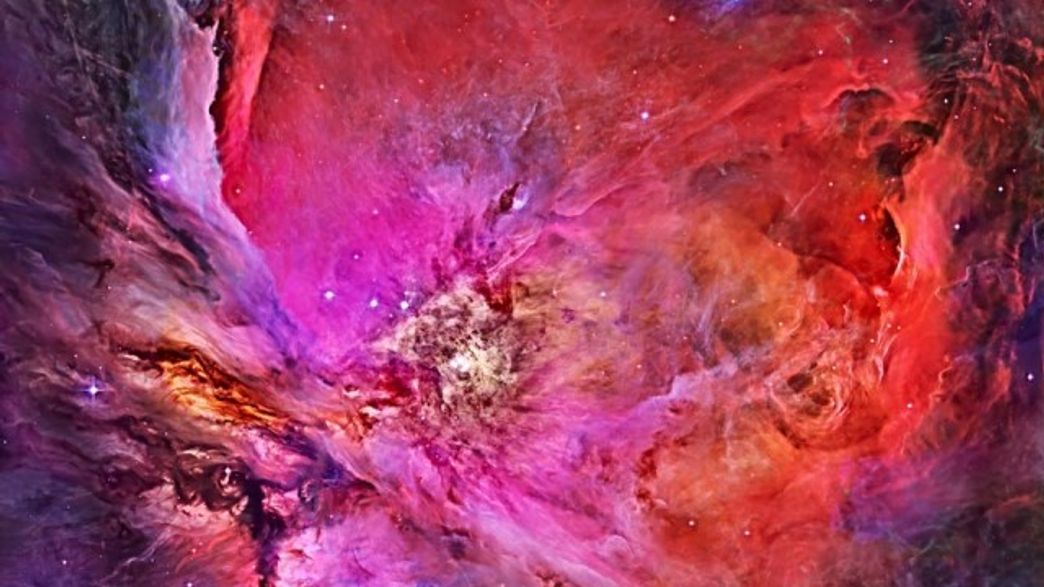
Will the Universe Tear Itself Apart?

Understanding the Universe’s Ultimate Fate The cosmos, with its vastness and complexity, has long captivated human curiosity and philosophical reflection. Among the many profound questions it raises, one stands out: is the universe destined to eventually tear itself apart? This inquiry delves into the potential cataclysmic end of all matter and energy, challenging our understanding […]
Read More →

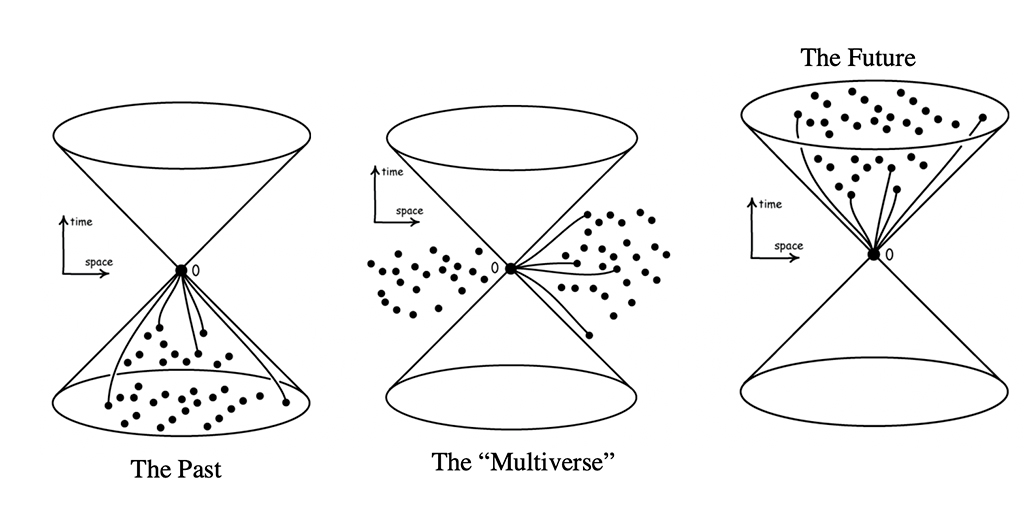
Multiverse Unlocked: Peering Beyond Our Universe

Definition of the Multiverse The multiverse concept refers to the theoretical existence of an infinite collection of universes, each with its own distinct realities, physical laws, and historical developments. Rather than viewing our universe as the sole cosmic entity, the multiverse hypothesis suggests that countless other universes coexist, potentially differing in fundamental constants and structures. […]

Read More →

Universe Expanding Faster? Evidence Mounts for Cosmic Acceleration

Understanding Cosmic Expansion The universe has captivated human curiosity for millennia, not only because of its stunning vistas but also due to the profound mysteries it harbors. One of the most compelling puzzles in contemporary astrophysics is whether the cosmos is expanding at an increasing rate. This question challenges long-standing cosmological models and invites a […]

Read More →

The Universe’s Background Light: Gamma Rays Set a Limit

Definition of Cosmic Gamma Rays and Background Light The universe is permeated by a vast array of electromagnetic radiation, among which gamma rays represent the highest-energy photons. These gamma rays originate from some of the most extreme and energetic astrophysical processes, providing critical insights into cosmic phenomena. Alongside gamma rays, the cosmic background light encompasses […]

Read More →

Deepest Look Yet: New Quasar Revealed in Record-Breaking Universe Snapshot

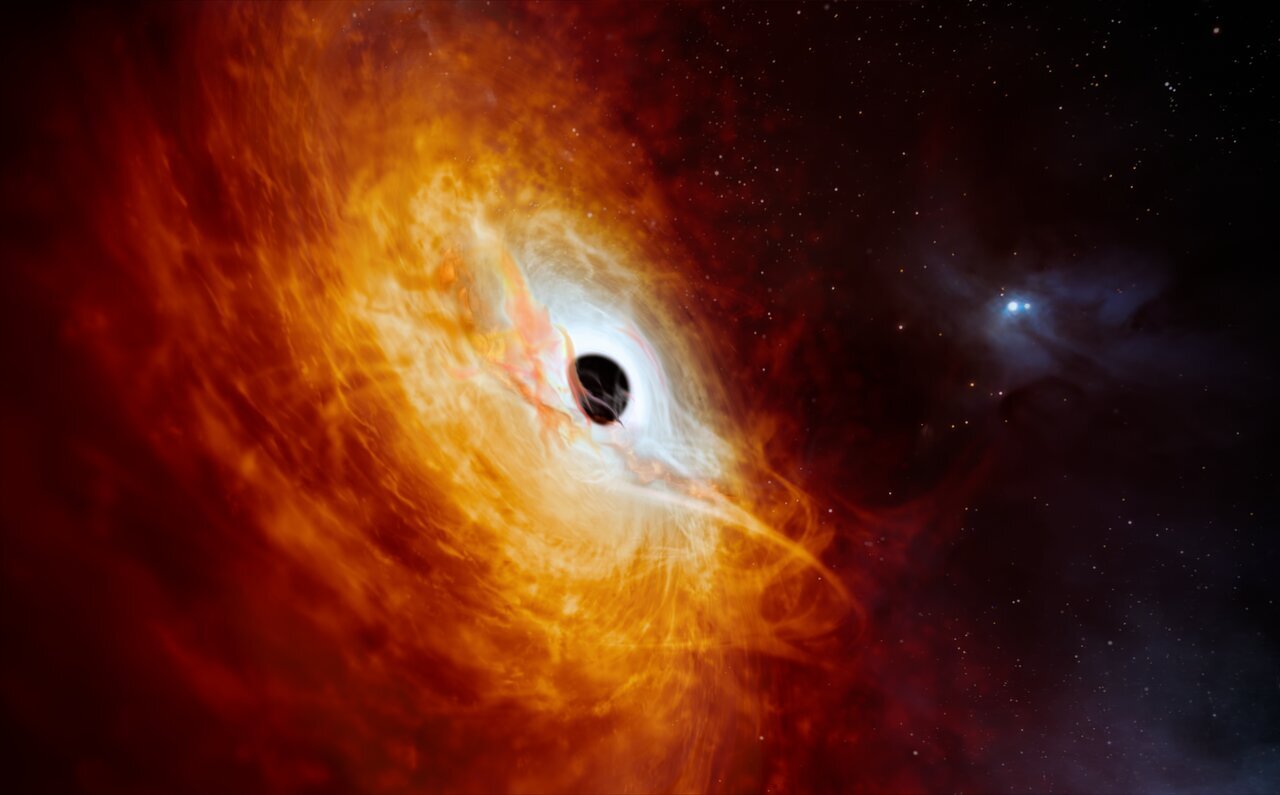
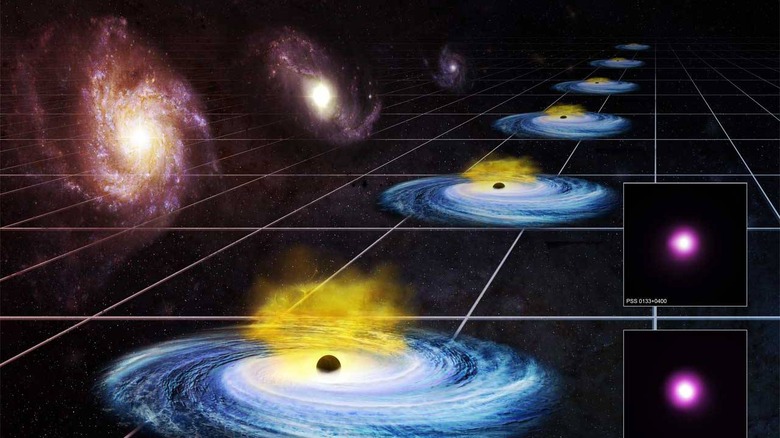
Definition of Quasars Quasars, short for “quasi-stellar objects,” are among the most luminous and enigmatic entities in the cosmos. Despite their star-like appearance, these objects emit energy on a scale comparable to thousands of entire galaxies. Their extraordinary brightness originates from the intense gravitational forces at play near supermassive black holes located at the centers […]

Read More →

Dark Energy: A 9-Billion-Year-Old Mystery Unveiled

Definition of Dark Energy Dark energy is a fundamental yet enigmatic component of the universe, playing a crucial role in modern cosmology. It is an invisible form of energy that permeates all of space and is responsible for the accelerated expansion of the cosmos. Despite its pervasive presence, dark energy remains largely mysterious, influencing the […]

Read More →

Is the mystery of the universe in the elementary particle?

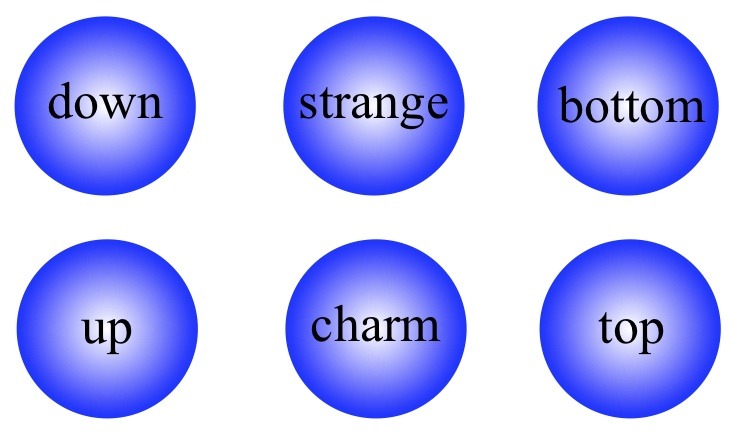
Definition of Elementary Particles Elementary particles are the most fundamental units of matter and energy, serving as the foundational components from which all physical substances and forces arise. These particles are indivisible within the current scope of scientific understanding, forming the essential building blocks of the universe. Quarks: Fundamental constituents of protons and neutrons, existing […]

Read More →

Cosmic Variance: Living with the Uncertainty of the Universe

Definition of Cosmic Variance Cosmic variance refers to the intrinsic statistical fluctuations observed in the distribution of matter and radiation throughout the universe. It highlights the natural uncertainties that arise when examining different regions of the cosmos, reflecting the fact that our observable universe is just one realization of many possible configurations. These variations challenge […]

Read More →