The Origin of Spin: Twists in the Quantum Fabric

Definition of Spin in Quantum Mechanics Spin is a fundamental quantum property representing an intrinsic form of angular momentum possessed by subatomic particles. Unlike classical angular momentum, spin does not correspond to any physical spinning motion but is an inherent characteristic that influences particle behavior at the quantum level. This property is essential in describing […]

Read More →

Kevin Garrity’s Take on Quantum Materials

Understanding Quantum Materials Quantum materials represent a captivating and relatively unexplored sector within physics, where classical laws give way to intricate quantum behaviors. These materials exhibit extraordinary electronic, magnetic, and optical characteristics that cannot be explained by traditional theories. Their unique properties arise from quantum mechanical phenomena such as superconductivity, topological phases, and strong electron […]

Read More →

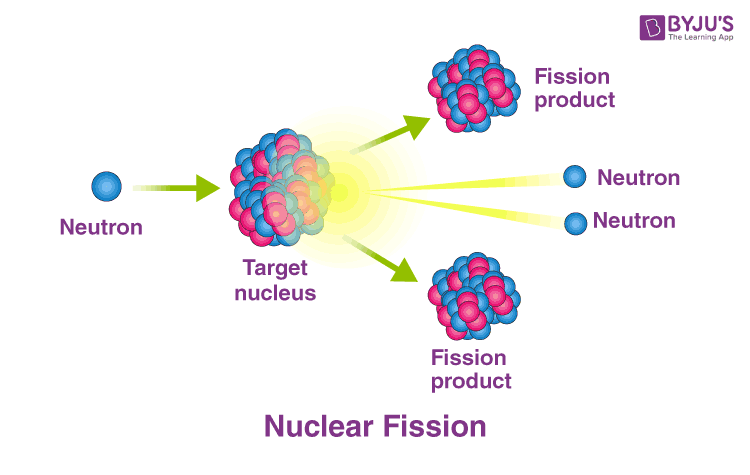
What are the quantum roots of nuclear fission?

Definition of Nuclear Fission Nuclear fission is a fundamental physical process in which the nucleus of an atom splits into two or more smaller nuclei, accompanied by the release of a considerable amount of energy. This phenomenon is central to both nuclear power generation and atomic weaponry, representing a complex interplay between nuclear physics and […]

Read More →

Can antimatter be used for quantum computing?

Understanding Antimatter and Quantum Computing Quantum computing represents a cutting-edge domain where traditional computational methods intersect with the peculiarities of quantum mechanics. Central to this technology are qubits-quantum bits-that exploit phenomena such as superposition and entanglement, enabling computational power far beyond classical bits. Meanwhile, antimatter, the theoretical counterpart to ordinary matter, consists of particles that […]

Read More →

What is the next frontier in particle physics?

Definition of Particle Physics Particle physics is the branch of science dedicated to investigating the most elementary building blocks of matter and the fundamental forces that dictate their interactions. This field aims to unravel the subatomic structure of the universe, providing insights into the nature of reality at its smallest scales. Through rigorous experimentation and […]

Read More →

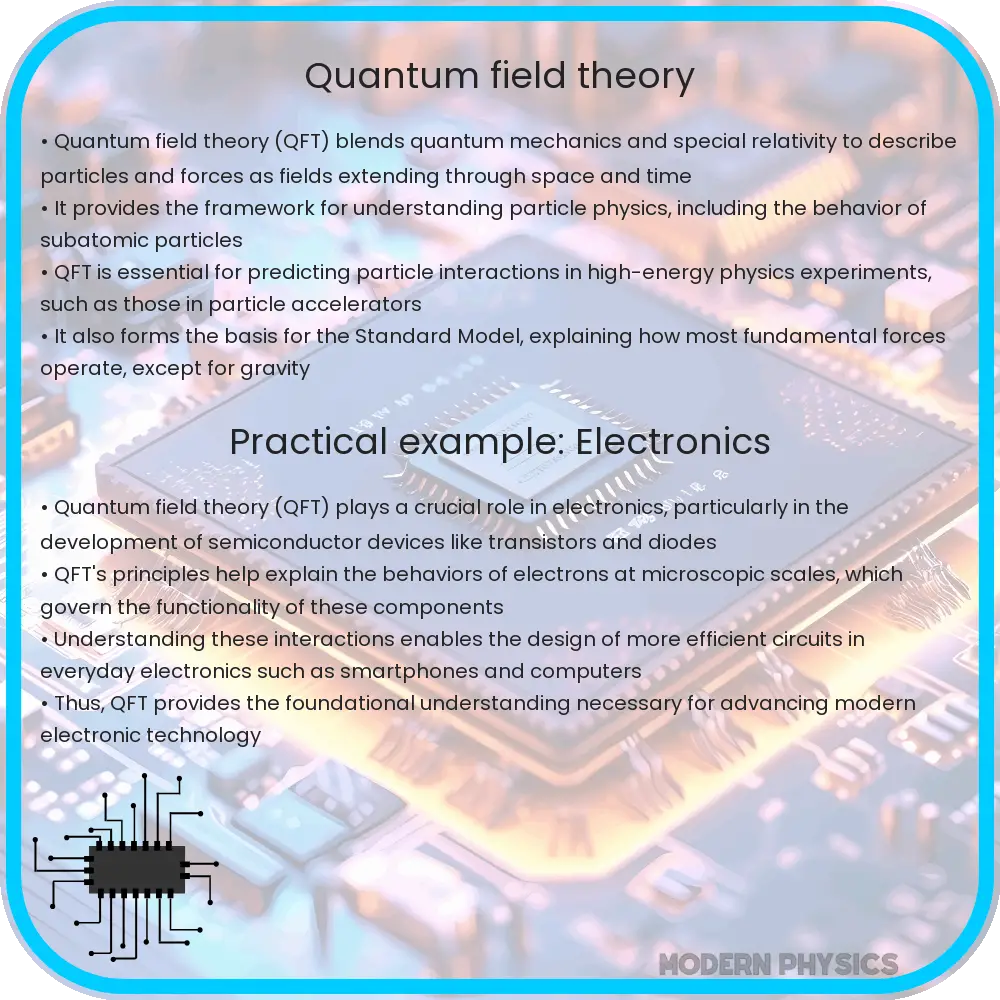
Purpose and Benefits of Quantum Field Theory: A Field Guide for Non-Physicists

Definition of Quantum Field Theory Quantum Field Theory (QFT) is a sophisticated theoretical framework that merges the principles of quantum mechanics, special relativity, and classical field theory. Unlike traditional views that treat particles as isolated entities, QFT conceptualizes particles as quantized excitations or disturbances within underlying fields that permeate all of space-time. This perspective provides […]

Read More →

How hard is it to be a quantum physicist/scientist?

Understanding the Path to Becoming a Quantum Physicist Embarking on a career as a quantum physicist is far from a simple endeavor; it involves navigating a complex and intellectually demanding field that challenges conventional understanding of the physical world. This journey is marked by rigorous academic preparation, intense research, and a deep engagement with the […]

Read More →

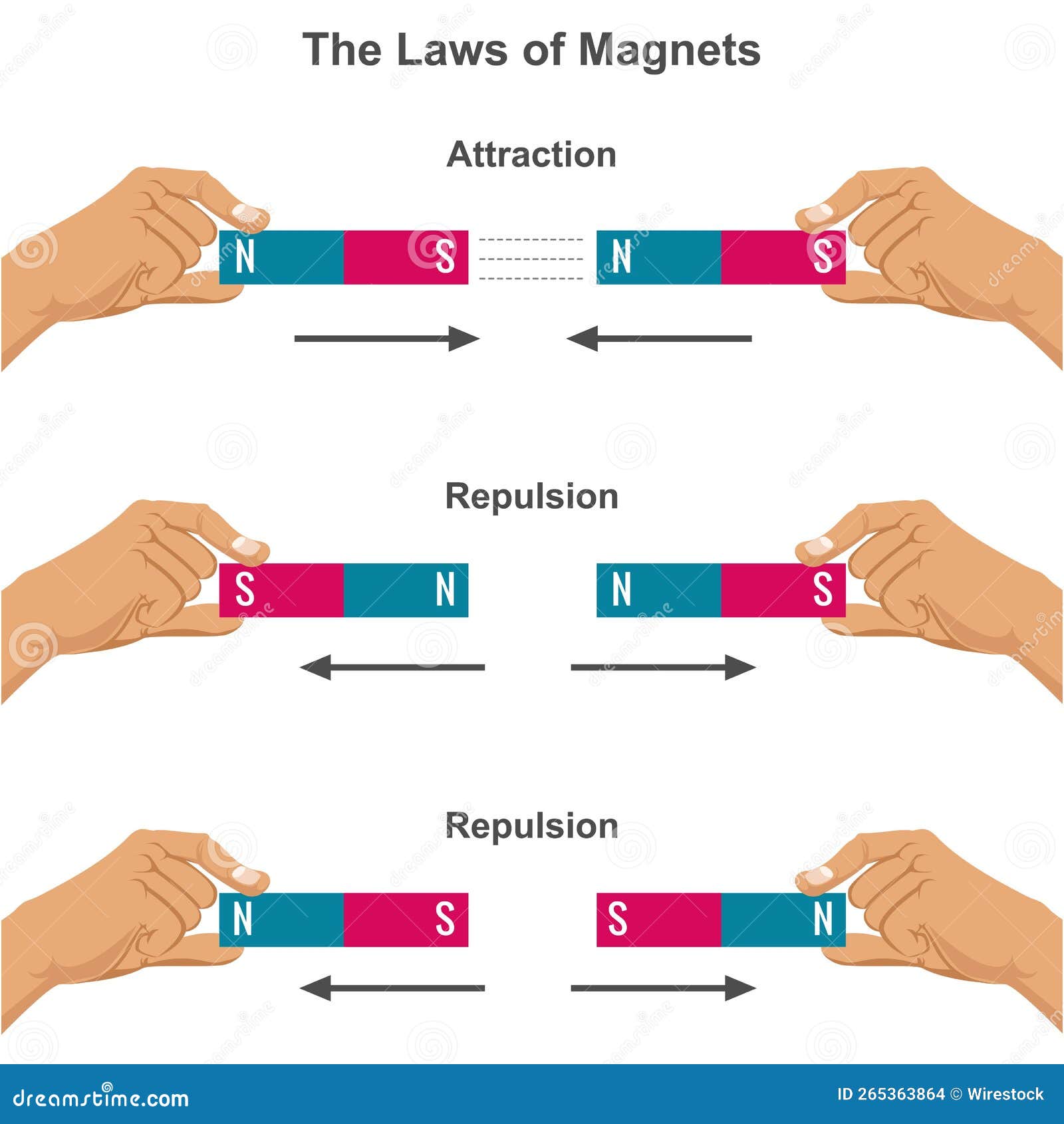
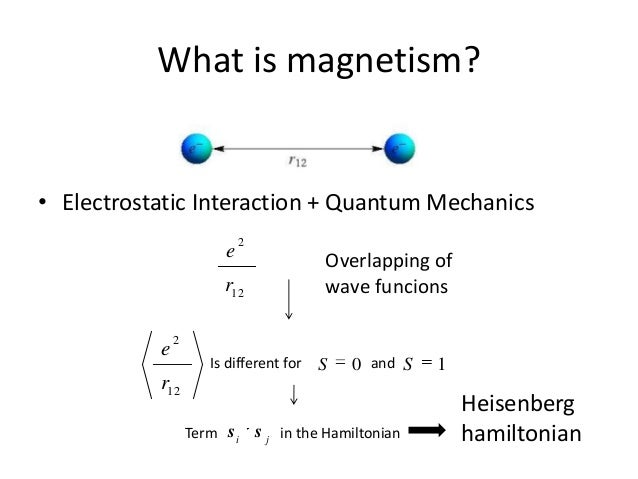
Is magnetism a quantum phenomenon?

Understanding Magnetism: A Comprehensive Overview Magnetism, commonly encountered in everyday life, encompasses a rich and intricate set of phenomena that bridge classical physics and quantum mechanics. This article aims to dissect the multifaceted nature of magnetism, emphasizing its quantum foundations while preserving the essence of classical interpretations. Definition of Magnetism Magnetism refers to the force […]

Read More →