How Quantum computer works – TechnoGlobal?

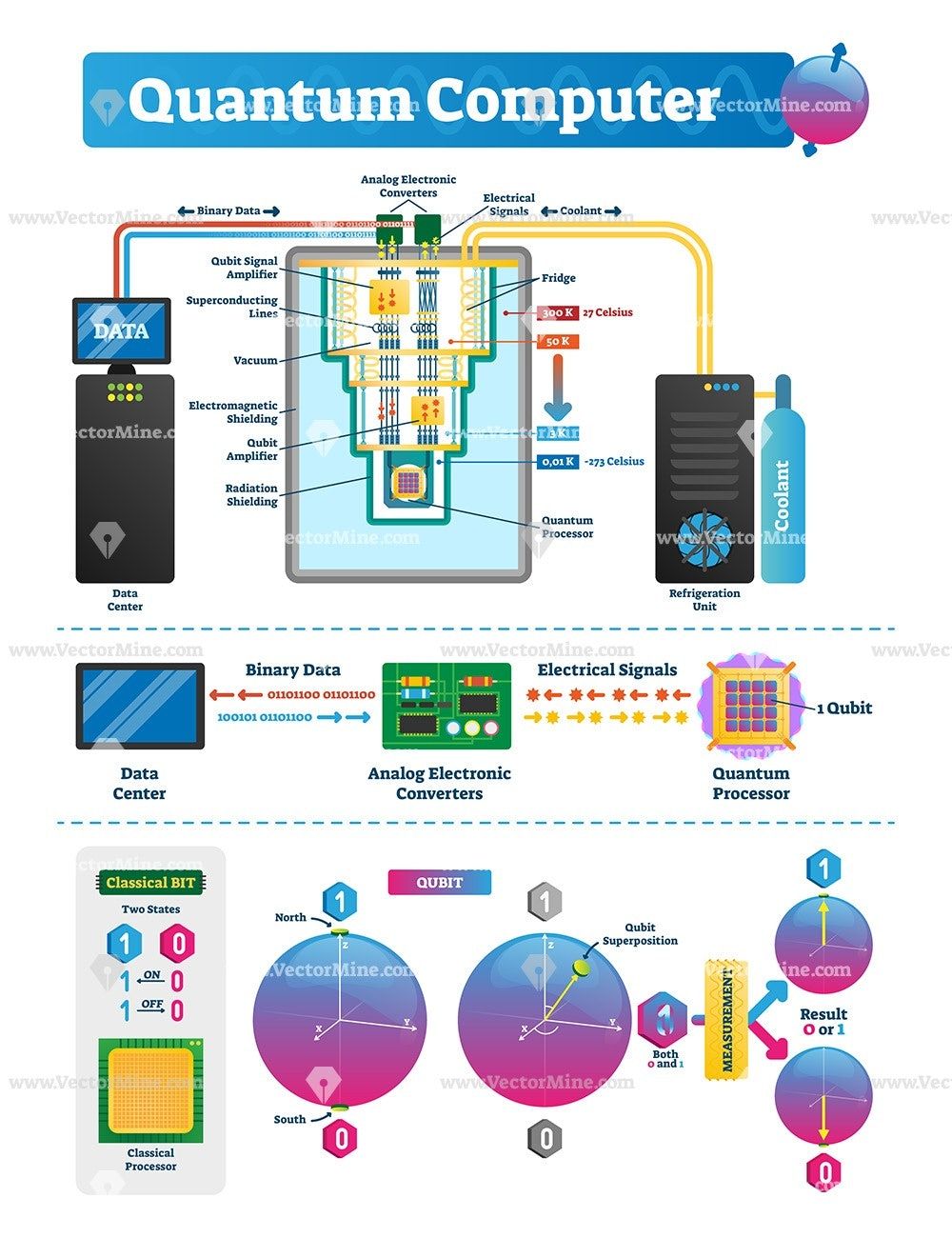
Quantum computing represents a paradigm shift in the computational landscape, leveraging the principles of quantum mechanics to process information in fundamentally different ways than classical computers. This article delineates the workings of quantum computers, elucidating both their underlying principles and potential applications. By examining their architecture, operational mechanisms, and various methodologies, readers will gain a […]

Read More →

Is it possible to get a job in Quantum Machine Learning?

The realm of quantum machine learning (QML) stands at the intriguing confluence of quantum computing and artificial intelligence. Like a conundrum unraveled, this novel field has captured the imagination of theorists and practitioners alike, offering the potential to amplify the capabilities of classical machine learning paradigms. However, one must ask, “Is it feasible to secure […]

Read More →

How can I invest in quantum computers in the near future?

Quantum computing, a nascent yet rapidly evolving field, promises to revolutionize myriad sectors ranging from cryptography to pharmaceuticals. As we stand on the precipice of this technological upheaval, a salient question emerges: How can one effectively invest in quantum computers in the near future? Indeed, the path towards investing in quantum computing is fraught with […]

Read More →

What does superposition in quantum computer mean?

Superposition is a cornerstone principle in quantum mechanics, entailing that particles can exist simultaneously in multiple states until an observation is made. This enigmatic behavior has profound implications in the realm of quantum computing, where bits of classical computers—binary in nature, represented as either 0 or 1—transition into qubits. The latter can inhabit the state […]

Read More →

How powerful are quantum computers vs. binary computers?

As we delve into the realm of computational technology, a pressing question arises: how powerful are quantum computers when juxtaposed with classical binary computers? This inquiry transcends mere curiosity; it holds implications for the future of technology, cryptography, artificial intelligence, and numerous fields yet to be fully realized. This article navigates the intricate landscape of […]

Read More →

Is it necessary to measure all qubits in a quantum computer?

In the realm of quantum computing, the intricate dance of qubits—quantum bits—remains a subject of both fascination and complexity. As quantum technologies progress, a critical question emerges: is it necessary to measure all qubits in a quantum computer? The answer is multifaceted, reflecting the rich interplay of quantum theory, computational efficiency, and the practicalities of […]

Read More →

What is Quantum Machine Learning?

Quantum Machine Learning (QML) emerges at the confluence of two groundbreaking domains: quantum computing and machine learning. This synthesis holds tantalizing potential, promising to revolutionize data analysis and predictive modeling as we navigate an increasingly complex digital landscape. At its core, QML endeavors to leverage the principles of quantum mechanics to enhance the capabilities of […]

Read More →

How is data transmitted in quantum computing?

Quantum computing represents a paradigm shift in our understanding of computation, transcending classical limitations through the principles of quantum mechanics. One of the most intriguing aspects of this domain is the transmission of data, which encompasses a realm far removed from the familiar pathways utilized in classical computing. In this exploration, we shall delineate the […]

Read More →

What is quantum computer and how it work?

Quantum computing represents a paradigm shift in computational capabilities, akin to a metaphysical leap into a realm where the rules of classical physics yield to the peculiarities of quantum mechanics. Bridging the gap between theoretical physics and practical applications, quantum computers harness the interplay of subatomic particles to process information at unprecedented speeds. This expository […]

Read More →