How is energy released in a nuclear reaction?

Definition of Energy Release in Nuclear Reactions Energy release in nuclear reactions refers to the liberation of a substantial amount of energy resulting from changes within atomic nuclei. These reactions involve transformations of nuclear particles, revealing the fundamental forces that govern matter at the subatomic level. The study of how energy emerges from these processes […]

Read More →

Where can I work if I studied Nuclear Physics?

Definition of Nuclear Physics Nuclear physics is a specialized branch of physics that investigates the core components of matter, specifically the atomic nucleus, and the forces and interactions that govern them. This scientific discipline explores the behavior, structure, and properties of nuclei, providing insights into fundamental particles and nuclear reactions. Atomic Nucleus: The dense central […]

Read More →

What is a cross section in nuclear physics?

Definition of Cross Section in Nuclear Physics In nuclear physics, the term cross section refers to a quantitative measure that expresses the probability of interaction between an incoming particle and a target particle. It is conceptualized as an effective area that represents how likely a specific nuclear reaction or scattering event will occur. Cross sections […]

Read More →

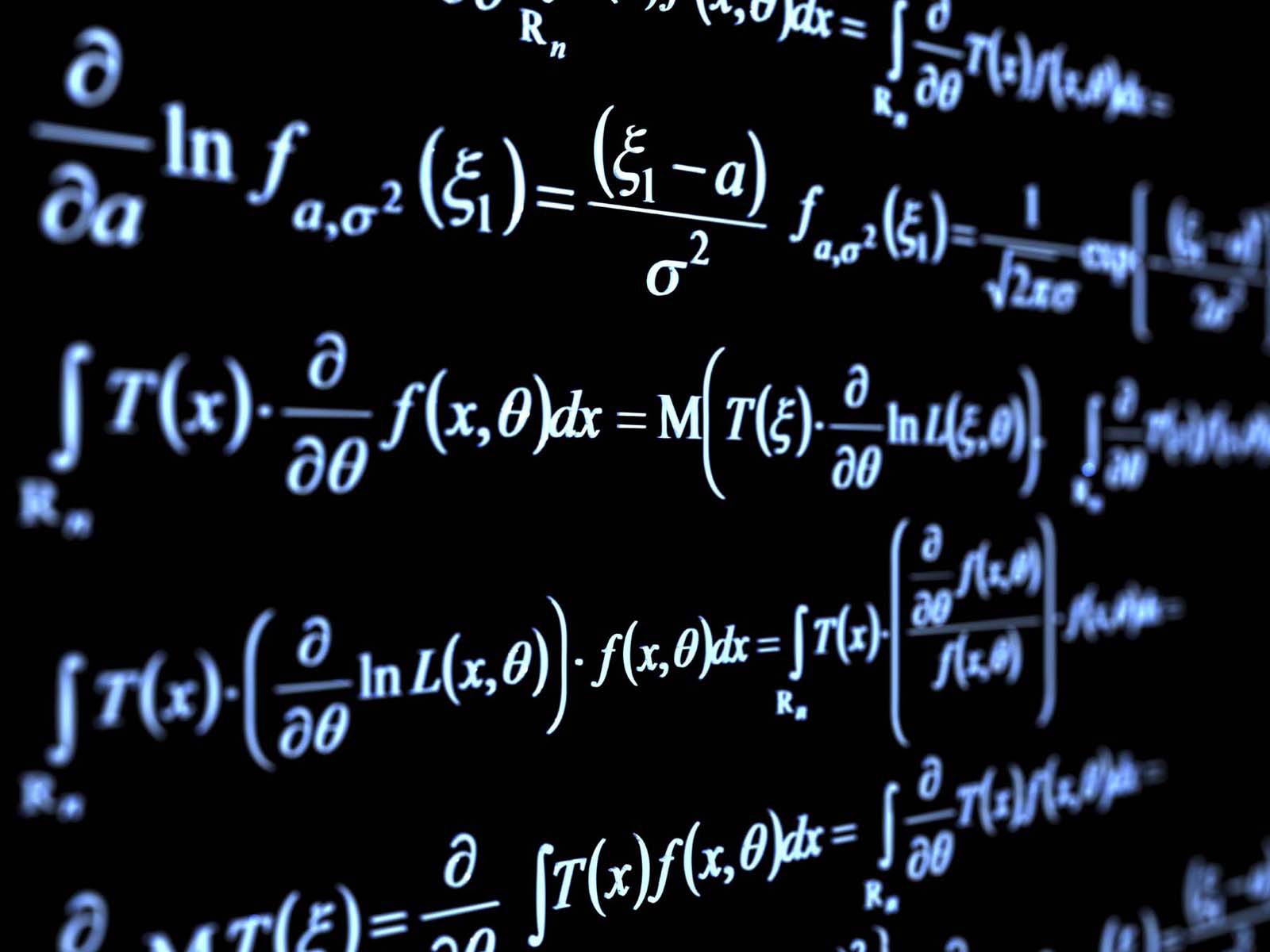
What are the mathematics needed for nuclear physics?

Definition of Nuclear Physics and Its Mathematical Foundations Nuclear physics is the scientific discipline focused on investigating the fundamental constituents and interactions within atomic nuclei. This field combines both theoretical frameworks and experimental methods to unravel the complexities of nuclear matter. Central to nuclear physics is a comprehensive mathematical structure that not only explains nuclear […]

Read More →

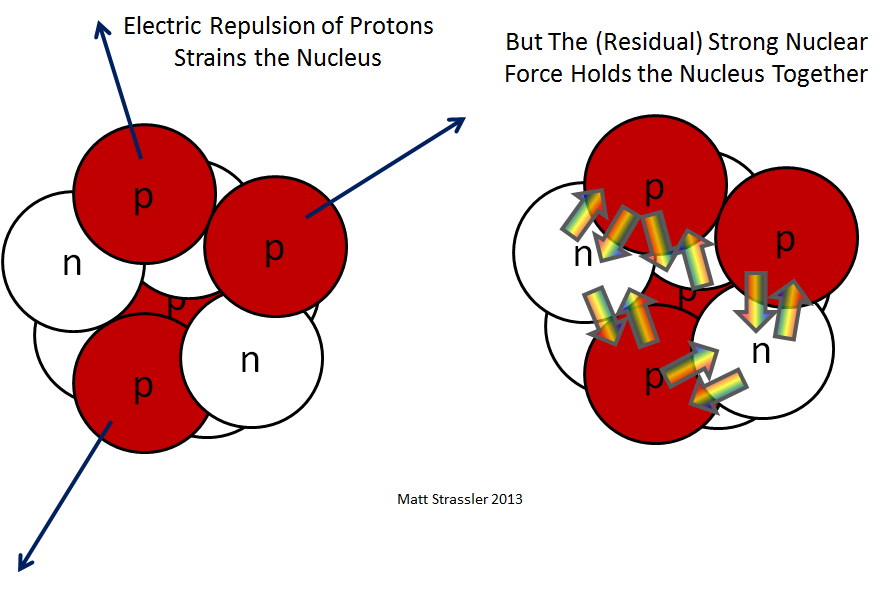
How does the strong nuclear force work?

Definition of the Strong Nuclear Force The strong nuclear force, often referred to as the strong interaction or simply the strong force, is one of the four fundamental forces governing the universe, alongside gravity, electromagnetism, and the weak nuclear force. Its primary function is to hold protons and neutrons tightly together within the atomic nucleus, […]

Read More →

Chirality Turns Up in the Nucleus: Nuclear Physics Gets Twisted

Definition of Chirality in Nuclear Physics Chirality is a geometric characteristic describing objects or systems that cannot be superimposed onto their mirror images. While this concept is widely recognized in chemistry-particularly in organic molecules where left- and right-handed forms influence biochemical processes-its application extends intriguingly into nuclear physics. Within the atomic nucleus, chirality refers to […]

Read More →

What are the common example of nuclear force?

Definition of Nuclear Force The nuclear force, also known as the strong interaction or strong nuclear force, is a fundamental force in particle physics responsible for holding the atomic nucleus together. It acts as the powerful attraction that binds protons and neutrons-collectively called nucleons-within the nucleus, overcoming the natural electromagnetic repulsion between positively charged protons. […]

Read More →

What are “nuclei” in nuclear physics?

Definition of Nuclear Physics and Atomic Nuclei Nuclear physics is a branch of science dedicated to studying the core components of matter, focusing on the atomic nucleus-the dense center of an atom composed of protons and neutrons. These subatomic particles, collectively called nucleons, form the fundamental units that shape the universe’s matter. Understanding the nucleus […]

Read More →

How was the strong nuclear force discovered?

Definition of the Strong Nuclear Force The strong nuclear force is a fundamental interaction responsible for binding protons and neutrons within an atomic nucleus. It overcomes the electromagnetic repulsion between positively charged protons, ensuring the stability of the nucleus. This force operates at extremely short ranges, typically on the order of femtometers (10-15 meters), and […]

Read More →

Does nuclear physics come under classical physics?

Definition of Classical and Nuclear Physics Classical physics is a branch of physics that encompasses the theories and principles developed before the 20th century. It primarily deals with macroscopic phenomena observable in everyday life, such as motion, forces, and energy, using continuous and deterministic models. In contrast, nuclear physics is a specialized field that investigates […]

Read More →