How can graphene possibly be 2D?

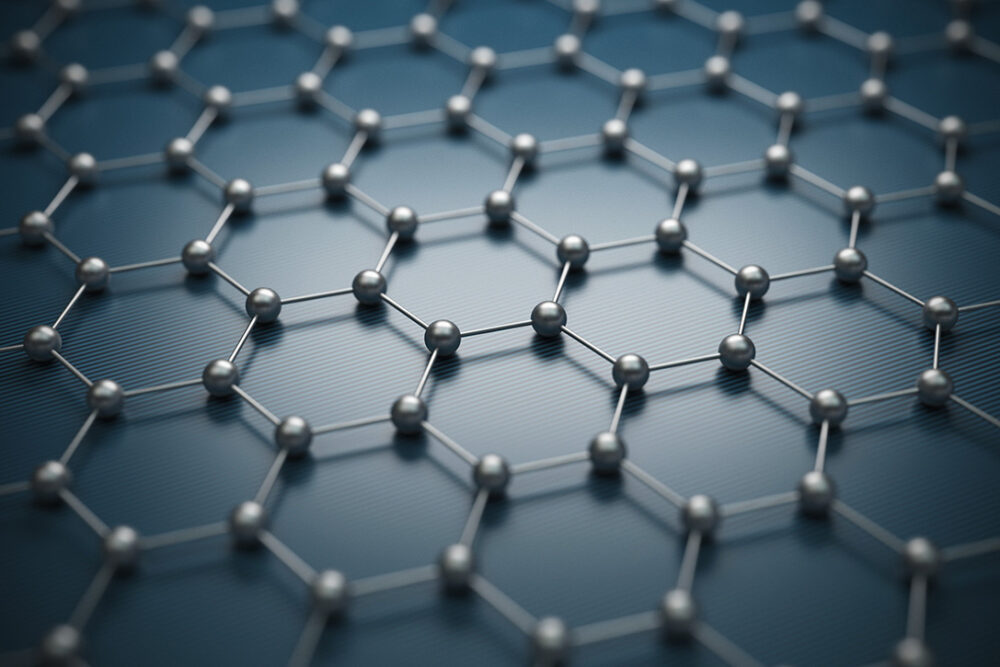
Graphene, a remarkable allotrope of carbon, epitomizes the seamless confluence of simplicity and complexity in the realm of materials science. Conventionally regarded as a two-dimensional (2D) structure, its molecular architecture is deceptively quaint. Composed of a monolayer of carbon atoms arranged in a hexagonal lattice, it invokes the imagery of a beehive—meticulously organized yet inherently […]

Read More →

Is graphene a failed wonder material?

Graphene, a monolayer of carbon atoms arranged in a two-dimensional honeycomb lattice, has been heralded as the “wonder material” of the 21st century. Its staggering properties—extreme tensile strength, remarkable electrical conductivity, and exceptional thermal conductivity—have spurred extensive research and development efforts. However, despite the initial excitement surrounding graphene, there is an emerging discourse questioning its […]

Read More →

How long will it be before graphene is more widely used?

Graphene, an allotrope of carbon, has captured the imagination of scientists, technologists, and investors alike due to its unparalleled properties. With excellent electrical conductivity, remarkable mechanical strength, and unparalleled thermal properties, graphene surpasses many materials currently in use. Despite its potential, the question remains: how long will it take before graphene realizes its promise and […]

Read More →

Chirality in Graphene: When Geometry Drives Electron Flow

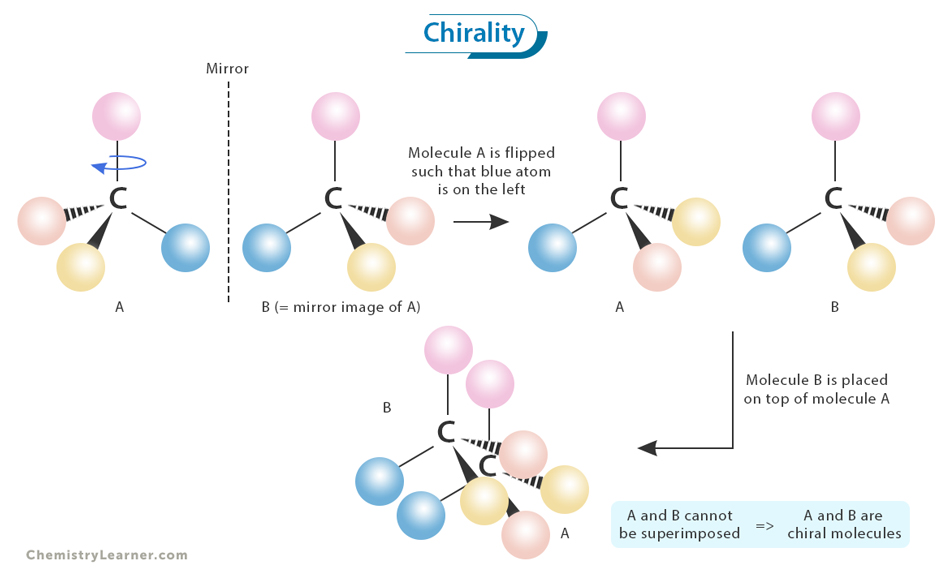
In the world of condensed matter physics, chirality in graphene represents a captivating intersection of geometry and quantum mechanics, influencing electron dynamics profoundly. To appreciate the intricacies of chirality in this two-dimensional material, it is imperative to delve into its geometric configuration, its inherent electronic properties, and the myriad implications woven into both fundamental physics […]

Read More →

Why is graphene desirable as a touch screen material?

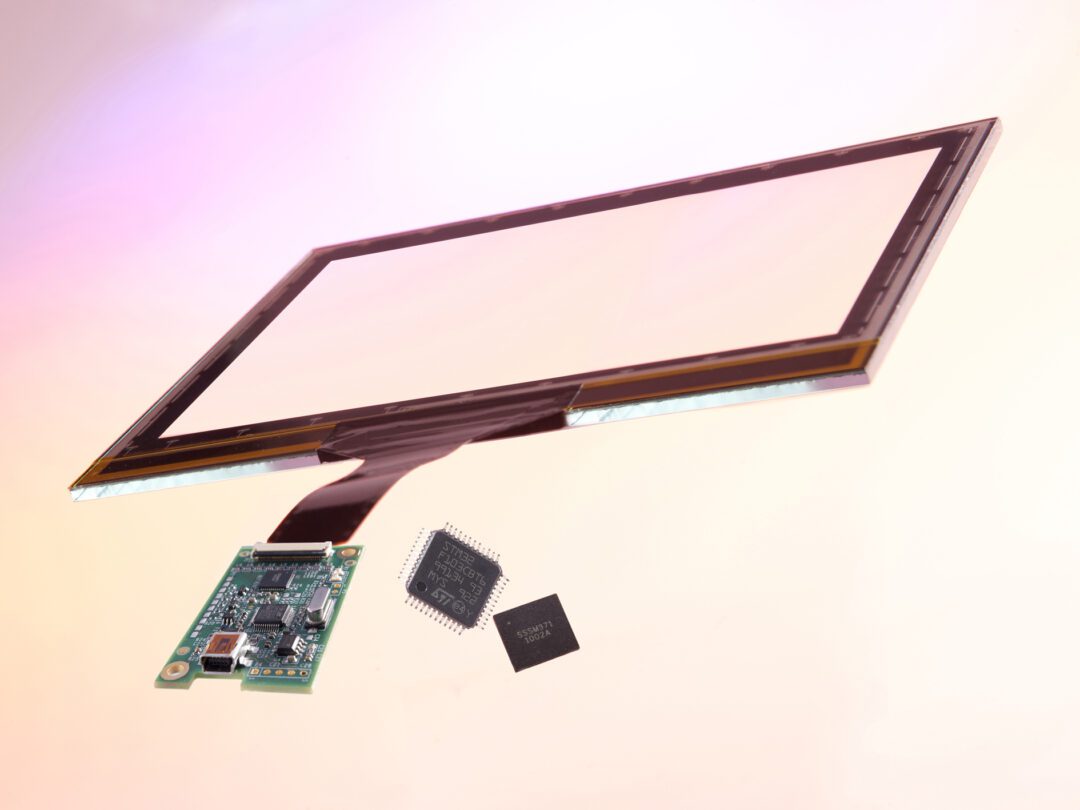
Graphene, a single layer of carbon atoms arranged in a two-dimensional honeycomb lattice, has garnered significant attention in various fields of science and technology, particularly as a novel material in touch screen applications. Its remarkable properties make it a compelling substitute for traditional materials used in touchscreen design. In this exposition, we shall delve into […]

Read More →

Is graphene a room temperature super conductor?

In the realm of condensed matter physics, one tantalizing question looms large: Is graphene a room-temperature superconductor? To ponder upon this query is to delve into the intricate tapestry of material science, quantum mechanics, and the potential that lies within the structures of atoms and their interactions. A broad swath of the scientific community has […]

Read More →

How can graphene be utilized in electronics?

Graphene, a two-dimensional allotrope of carbon, is heralded as a transformative material in the realm of electronics, presenting outstanding electrical, thermal, and mechanical properties. Its unique structure affords it remarkable electron mobility—significantly surpassing that of silicon—thus stimulating unprecedented innovations in electronic devices. This article delineates the multifaceted applications of graphene within the electronics sector, exploring […]

Read More →

Is Graphene the future?

Graphene, an allotrope of carbon consisting of a single layer of atoms arranged in a two-dimensional honeycomb lattice, has garnered considerable attention since its isolation in 2004. Dubbed the “wonder material,” graphene possesses extraordinary properties that could revolutionize various industries. Its exceptional strength, electrical conductivity, thermal conductivity, and flexibility spark intrigue regarding whether this remarkable […]

Read More →

How to make graphene?

Graphene, a monolayer of carbon atoms arranged in a two-dimensional lattice, has garnered considerable attention due to its extraordinary properties. This material exhibits exceptional mechanical strength, electrical conductivity, and thermal conductivity, leading to its potential applications across various fields, including materials science, electronics, and biotechnology. The pursuit of synthesizing graphene has resulted in several methodologies, […]

Read More →

When will graphene technology take off?

Graphene, heralded as a marvel of modern materials science, possesses an unprecedented array of properties that could potentially revolutionize numerous industries. This one-atom-thick sheet of carbon atoms arranged in a hexagonal lattice stands as a beacon of promise, yet its practical application remains in a precarious state of development. The question looms large: when will […]

Read More →