How can graphene be used in dentistry?

Graphene, often dubbed the “wonder material” of the 21st century, has emerged as a beacon of innovation in various fields, transcending traditional boundaries and offering revolutionary applications. In dentistry, this remarkable allotrope of carbon is not merely an adjunct but rather a transformative agent that could redefine preventive and restorative treatments. This article delves into […]

Read More →

How can someone invest in graphene?

As the 21st century unfolds, the world increasingly turns to novel materials that promise to revolutionize a myriad of industries. Among these, graphene emerges as an exceptionally compelling candidate. A single layer of carbon atoms arranged in a two-dimensional honeycomb lattice, graphene is celebrated not only for its remarkable electrical, mechanical, and thermal properties but […]

Read More →

Can Graphene really change the world?

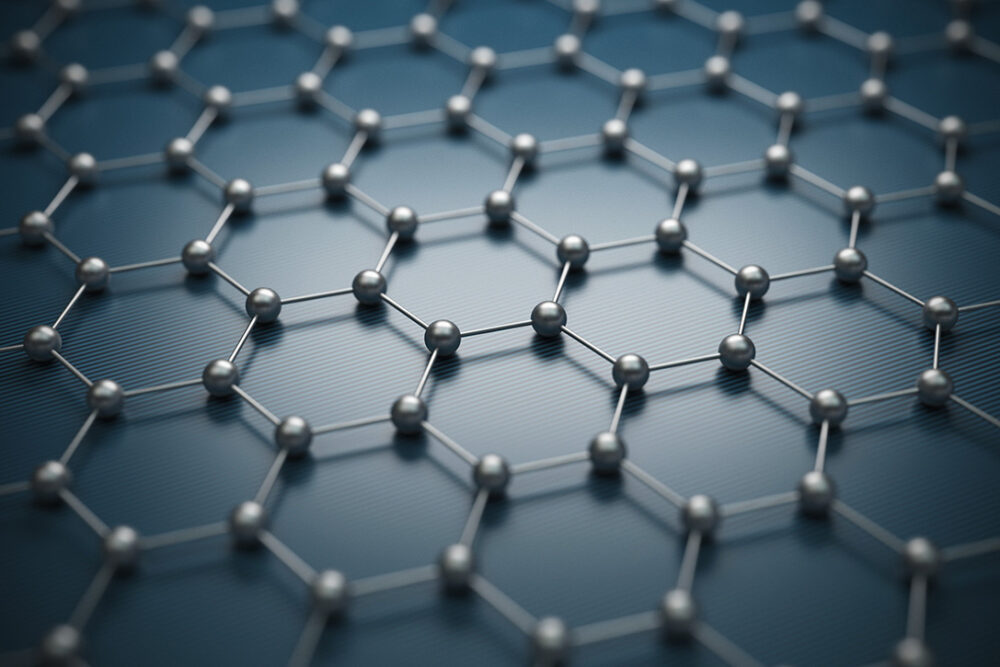
Graphene, a single layer of carbon atoms arranged in a two-dimensional honeycomb lattice, has emerged as a material of extraordinary intrigue and promise. In the annals of materials science, it occupies a unique position, largely due to its exceptional electrical, thermal, and mechanical properties. As researchers delve deeper into its potential, an essential question arises: […]

Read More →

How do atoms vibrate in graphene nanostructures?

Graphene, a two-dimensional allotrope of carbon, has garnered immense attention due to its remarkable physical and chemical properties. The intricate mechanisms underlying its structure significantly influence its behaviors, none more so than the vibrational dynamics of atoms within graphene nanostructures. Understanding how atoms vibrate is crucial for elucidating properties such as thermal conductivity, mechanical strength, […]

Read More →

What uses are predicted for Graphene?

Graphene, an allotrope of carbon comprising a single layer of atoms arranged in a two-dimensional honeycomb lattice, has elicited fervent interest from researchers and industries alike due to its extraordinary properties. Its exceptional electrical conductivity, mechanical strength, and thermal conductivity position graphene as a transformative material with myriad potential applications. This article delves into the […]

Read More →

Will graphene be used in our every day life?

Graphene, a singular form of carbon comprised of a mere one atom in thickness, has captivated scientists, engineers, and the general public alike since its isolation in 2004. Its unique attributes—extraordinary strength, remarkable electrical conductivity, and impressive thermal transfer capabilities—have fostered extensive speculation regarding the potential integration of graphene into our quotidian existence. The prospect […]

Read More →

If graphene is a single layer of graphite

Graphene, a remarkable allotrope of carbon, has eluded the paradigms of conventional material science since its revelation. It is essential to elucidate the intrinsic characteristics of graphene and its relationship with graphite, particularly addressing the assertion that graphene constitutes a single layer of graphite. The subsequent discourse aims to elaborate on the nature of graphene, […]

Read More →

When will graphene be used in computers?

The advent of graphene, heralded as a material with extraordinary properties, has ignited a fervor within the scientific and technological communities. As we envisage a juncture where graphene permeates the realm of computing, it is paramount to understand both its formidable capabilities and the intricate challenges that lie ahead. This exploration seeks to elucidate the […]

Read More →

How is graphene harder than a diamond?

Graphene—a single layer of carbon atoms arranged in a two-dimensional honeycomb lattice—has captured the attention of researchers, material scientists, and industries alike, thanks to its extraordinary properties. Among these, the intriguing assertion that graphene can exhibit hardness surpassing that of diamond invites a deeper exploration into the fundamental nature of hardness and the physics underlying […]

Read More →