
Short Answer
Definition of Graphene
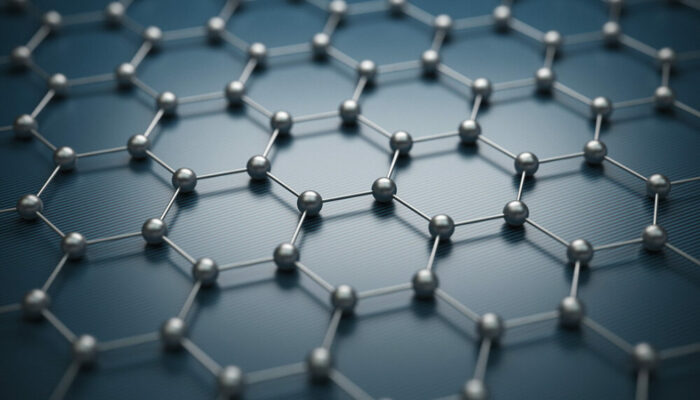
Graphene is a single layer of carbon atoms arranged in a two-dimensional honeycomb lattice, making it just one atom thick. Since its discovery in 2004, this extraordinary material has attracted significant attention from scientists, engineers, and the public due to its exceptional physical and chemical properties.
- Atomic Structure:
Graphene’s carbon atoms form a hexagonal pattern, creating a stable and robust sheet that is incredibly thin yet remarkably strong. - Unique Characteristics:
It combines extraordinary tensile strength, superior electrical conductivity, and excellent thermal transfer capabilities, distinguishing it from other materials.
Fundamental Properties and Structure
The remarkable qualities of graphene stem from its atomic arrangement. The carbon atoms are bonded in a planar hexagonal lattice, which imparts tensile strength exceeding that of steel while maintaining an ultra-lightweight profile. This combination of strength and lightness opens up a wide array of potential applications across various industries.
Graphene in Electronics
Graphene’s superior electron mobility, which far surpasses that of traditional silicon, positions it as a revolutionary material for the electronics sector. This property enables the development of faster, more energy-efficient electronic devices.
- Enhanced Speed and Efficiency:
Devices utilizing graphene can process data more rapidly than silicon-based counterparts, improving performance in computing and communication technologies. - Flexible Electronics:
The integration of graphene into transistors and circuits allows for bendable, wearable technology embedded in clothing or even skin, facilitating advanced human-computer interaction.
Applications in Energy Storage and Generation
Graphene is poised to transform energy technologies, particularly in storage and generation. Its use in supercapacitors offers faster charging and discharging capabilities compared to conventional lithium-ion batteries.
- Electric Vehicles:
Graphene-enhanced supercapacitors could significantly improve the efficiency and range of electric cars by enabling rapid energy storage and release. - Renewable Energy Systems:
The material’s properties support more effective storage solutions for solar and wind power, accelerating the shift toward sustainable energy sources.
Impact on Healthcare and Biotechnology
Graphene’s biocompatibility and excellent conductivity make it an ideal candidate for medical applications, particularly in diagnostics and drug delivery.
- Biosensors:
Graphene-based sensors can detect diseases at very early stages with high sensitivity, offering real-time monitoring of biological processes. - Targeted Drug Delivery:
Its ability to facilitate precise delivery of therapeutics enhances treatment efficacy while reducing side effects.
Advancements in Materials Science and Manufacturing
Incorporating graphene into composite materials leads to stronger, lighter, and more thermally efficient products, impacting construction, aerospace, and automotive industries.
- Structural Enhancements:
Graphene composites improve fuel efficiency and durability in vehicles and aircraft by reducing weight without compromising strength. - Energy-Efficient Buildings:
Graphene-infused materials can enhance insulation and thermal regulation, contributing to greener architectural designs.
Challenges in Graphene Production and Adoption
Despite its promising applications, widespread use of graphene faces obstacles related to manufacturing scalability, cost, and environmental considerations.
- Production Methods:
Techniques like mechanical exfoliation and chemical vapor deposition require optimization to produce graphene at industrial scales economically. - Environmental and Ethical Concerns:
Responsible sourcing and sustainable manufacturing practices are essential to mitigate ecological impacts and ethical issues.
Public Awareness and Market Integration
The successful incorporation of graphene into everyday products depends heavily on public understanding and acceptance. Educational efforts are crucial to demystify graphene and highlight its benefits, thereby encouraging consumer demand and investment.
- Consumer Education:
Informing the public about graphene’s potential applications fosters trust and enthusiasm, which can accelerate market adoption. - Innovation and Investment:
Increased awareness drives funding and research, shaping the future development and commercialization of graphene technologies.
Future Outlook and Societal Impact
The integration of graphene into various sectors promises to redefine technological boundaries and enhance quality of life. Its versatility suggests that the material’s full potential is limited only by human creativity and innovation.
- Smart Cities and Technologies:
Graphene could underpin the infrastructure of intelligent urban environments, improving connectivity and sustainability. - Healthcare Revolution:
Advanced graphene-based devices may transform diagnostics, treatment, and patient monitoring. - Sustainability and Progress:
The material embodies a broader movement toward innovation that balances technological advancement with environmental responsibility.
Conclusion: The Transformative Potential of Graphene
Graphene is not just a scientific curiosity but a material with the capacity to revolutionize multiple facets of modern life. As research progresses and production challenges are overcome, graphene’s integration into everyday technologies will likely become a defining feature of future innovation, reshaping industries and enhancing human experiences worldwide.
FAQ
What is graphene?
Graphene is a single layer of carbon atoms arranged in a two-dimensional honeycomb lattice, known for its exceptional strength, electrical conductivity, and thermal properties.
How could graphene be used in electronics?
Graphene's high electron mobility enables faster and more energy-efficient electronic devices, including flexible electronics and wearable technology.
What are the challenges in adopting graphene widely?
Key challenges include the scalability and cost of production, environmental impact, and ethical sourcing of graphene.
Can graphene improve energy storage?
Yes, graphene-based supercapacitors can outperform lithium-ion batteries in charge and discharge rates, enhancing electric vehicles and renewable energy systems.
What healthcare applications can benefit from graphene?
Graphene's biocompatibility and conductivity make it useful for biosensors, early disease detection, and targeted drug delivery systems.






Leave a Reply