Could Dark Matter Be a Flaw in Physics Itself?

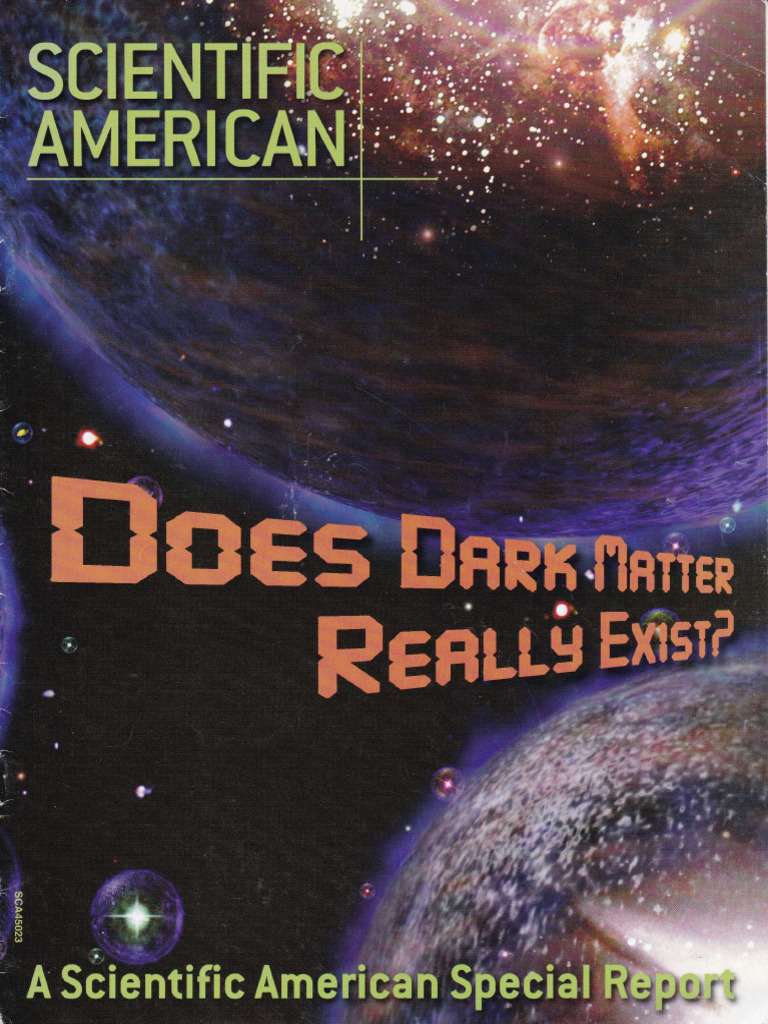
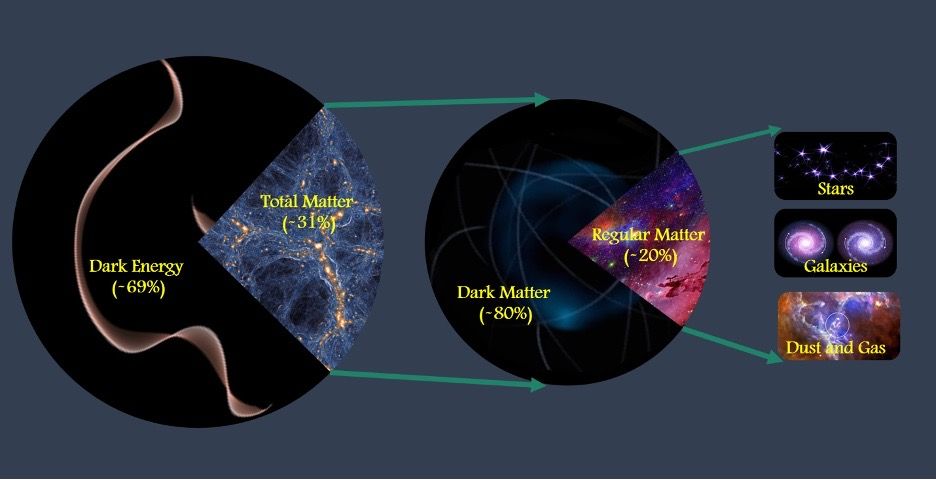
Understanding Dark Matter Dark matter is a mysterious and invisible substance that has captivated astrophysicists for decades. It is an unseen form of matter that does not emit, absorb, or reflect light, making it undetectable through conventional electromagnetic observations. The concept of dark matter was introduced to explain gravitational effects observed in galaxies and larger […]

Read More →

How Dark Matter Built the Cosmic Web of the Universe

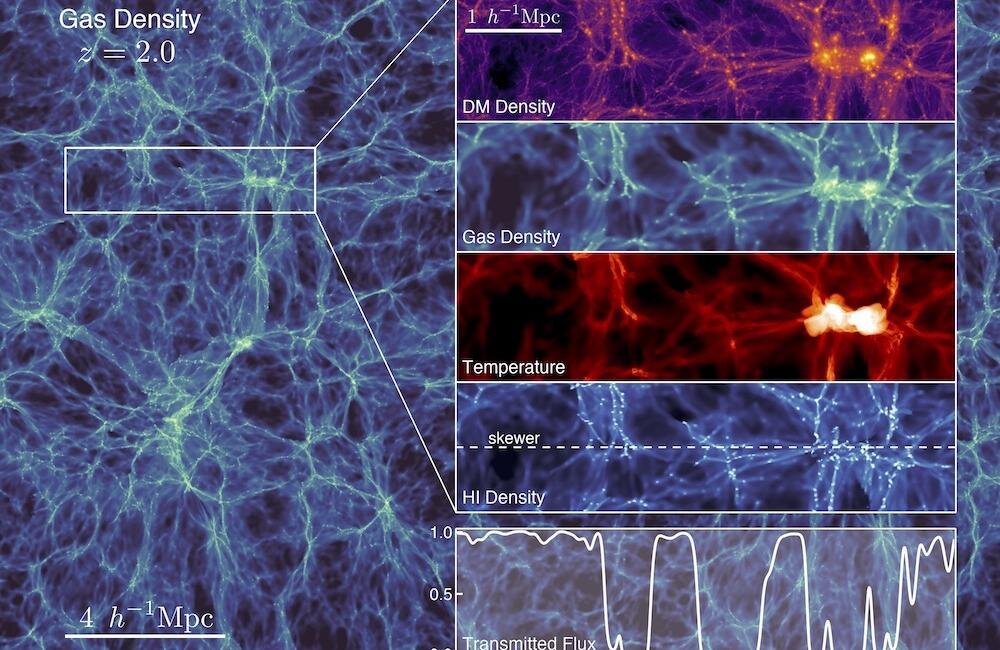
Definition of the Cosmic Web and Dark Matter The cosmic web is an immense, intricate network that forms the large-scale structure of the universe. It consists of vast filaments, nodes, and voids made up of galaxies, galaxy clusters, and intergalactic gas. This sprawling framework extends across hundreds of millions of light-years, shaping the distribution of […]

Read More →

Supernovae Fueled by Darkness? A Bold Hypothesis Emerges

Understanding Supernovae Supernovae represent some of the most spectacular and energetic events in the cosmos, marking the dramatic end of a star’s life cycle. These colossal explosions not only signal stellar death but also reveal intricate nuclear reactions and the influence of elusive cosmic components such as dark energy and dark matter. Traditionally, supernovae are […]

Read More →

Not So Dark After All? New Findings Light Up the Dark Matter Debate

Understanding Dark Matter Dark matter is a mysterious and invisible component of the universe that exerts a significant gravitational influence despite being undetectable by conventional observational tools. It constitutes approximately 27% of the universe’s total mass-energy content and acts as the unseen framework supporting the formation and structure of galaxies and larger cosmic formations. Its […]

Read More →

Is the Sun a Dark Matter Trap?

Understanding the Sun’s Role in Cosmic Phenomena The Sun, far beyond being a mere glowing sphere in the sky, stands as a pivotal entity within the vast cosmic network of gravitational forces, light emission, and matter interactions. Its radiant presence prompts a fascinating question: could the Sun also function as a trap for dark matter? […]

Read More →

Discovering Darkness: The Ongoing Search for Dark Matter

Definition of Dark Matter Dark matter is a mysterious form of matter that is believed to make up about 27% of the universe’s total mass-energy content. Unlike ordinary matter, it does not emit, absorb, or reflect light, making it invisible to traditional astronomical instruments. Despite its elusive nature, dark matter exerts a significant gravitational influence […]

Read More →

Dark Matter Deadline: Will Fermi Uncover It Within a Year?

Definition of Dark Matter Dark matter is a mysterious and invisible form of matter that constitutes approximately 27% of the total mass-energy content of the universe. Unlike ordinary matter, which includes stars, planets, and interstellar gas, dark matter does not emit, absorb, or reflect light, making it undetectable through direct electromagnetic observations. Its existence is […]

Read More →

Filament Found! Dark Matter Bridges Caught in the Act

Definition of Dark Matter Dark matter is a mysterious form of matter that constitutes about 27% of the universe’s total energy content. Unlike ordinary matter, it neither emits nor absorbs light, making it invisible to traditional astronomical instruments. Its existence is primarily inferred through its gravitational effects on visible matter, radiation, and the large-scale structure […]

Read More →

Missing in Action: A Dark Matter Deficiency That Defies Theory

Definition of Dark Matter Dark matter is a hypothetical form of matter that does not emit, absorb, or reflect light, making it invisible to current electromagnetic observational methods. Its presence is inferred primarily through its gravitational effects on visible celestial objects such as stars and galaxies. This unseen matter accounts for a significant portion of […]

Read More →

No Dark Matter Result—And No Shortage of Controversy

Definition of Dark Matter Dark matter is a hypothetical form of matter that is believed to constitute about 27% of the total mass-energy content of the universe. Unlike ordinary matter, it does not emit, absorb, or reflect light, making it invisible and undetectable through traditional observational methods. Its existence is inferred primarily through its gravitational […]

Read More →