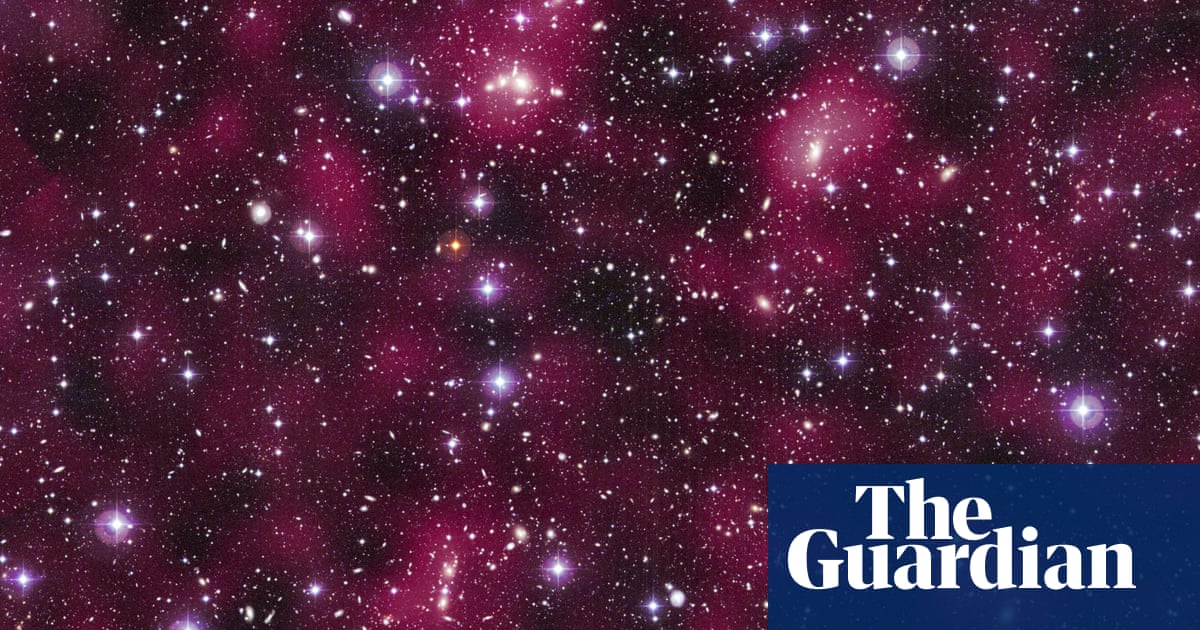
Cosmology’s Bright Future in a Dark Universe

Definition of Cosmology Cosmology is the scientific discipline dedicated to exploring the universe’s beginnings, its ongoing development, and its eventual destiny. It seeks to understand the large-scale properties and fundamental nature of the cosmos, encompassing everything from the earliest moments after the Big Bang to the far future of cosmic evolution. Scope: Investigates the origin, […]

Read More →

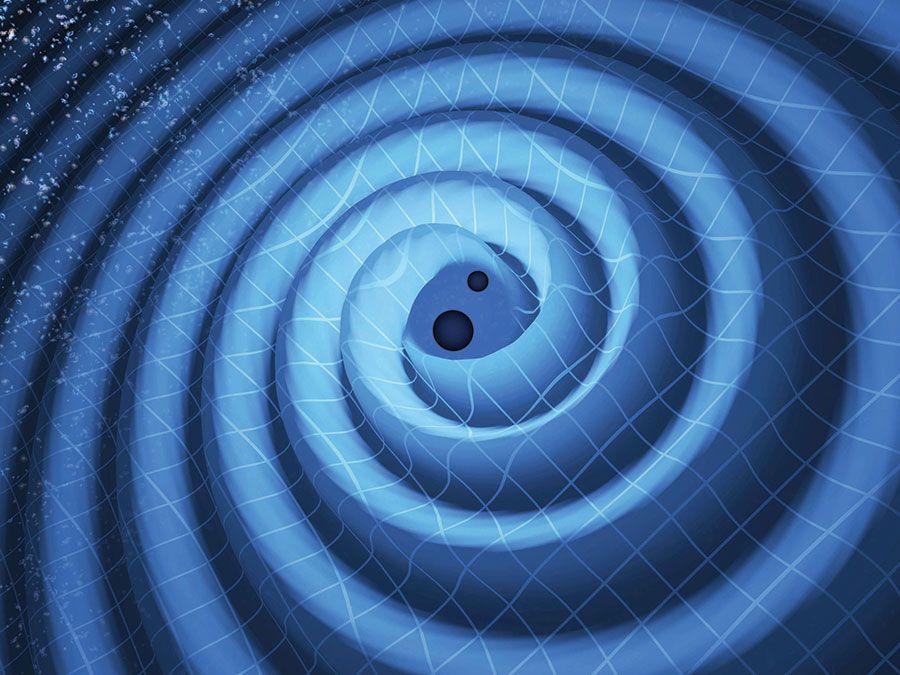
Gamma Rays: The Surprise That Keeps on Giving

Definition of Gamma Rays Gamma rays are a highly energetic form of electromagnetic radiation characterized by their extremely short wavelengths and high frequencies. Originating from processes such as radioactive decay, nuclear reactions, and various cosmic events, gamma rays hold a significant place in both physics and astronomy. Their immense energy and penetrating ability make them […]

Read More →

Adaptive Optics to Cover the Sky: Sharpening Our Cosmic Vision

Definition of Adaptive Optics Adaptive optics is an advanced technological system designed to enhance the clarity of astronomical observations by compensating for distortions caused by Earth’s atmosphere. This technology functions like a dynamic corrective lens, continuously adjusting to counteract atmospheric turbulence that blurs the images of celestial objects. By refining the incoming light from space, […]

Read More →

Gamma-Ray Bursts Unveiled: The Universe’s Biggest Bangs

Definition of Gamma-Ray Bursts Gamma-ray bursts (GRBs) are intense, brief flashes of gamma radiation-the highest-energy form of electromagnetic waves-originating from distant cosmic events. These bursts can last from a fraction of a second to several minutes and release an extraordinary amount of energy, often surpassing the total output of our Sun over its entire lifetime […]

Read More →

A New Dawn in Astronomy: The Array That’s Redefining Ground-Based Telescopes

Definition of Telescope Arrays in Astronomy Telescope arrays represent a cutting-edge advancement in ground-based astronomical observation, involving the coordinated use of multiple telescopes to function as a single, larger instrument. This technique enhances the resolution and sensitivity of observations beyond the capabilities of individual telescopes, enabling astronomers to study celestial phenomena with unprecedented detail. Telescope […]

Read More →

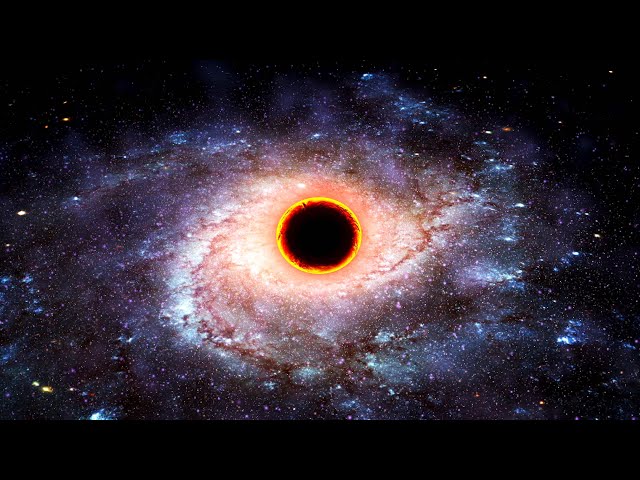
Middleweight Black Hole Found: Not Too Big Not Too Small

Definition of Middleweight Black Holes Middleweight black holes, also known as intermediate-mass black holes (IMBHs), are celestial objects with masses ranging between roughly 100 and 100,000 times that of our Sun. They occupy a mass range that bridges the gap between stellar black holes, which typically have masses under 20 solar masses, and supermassive black […]

Read More →

An Ancient Star’s Puzzle: Galactic History Gets Complicated

Definition of Ancient Stars Ancient stars are stellar objects that formed in the early epochs of the universe and have survived through cosmic time. These stars act as celestial archives, preserving invaluable information about the conditions and processes that shaped the cosmos during its formative stages. Their study bridges multiple scientific disciplines, including astrophysics, cosmology, […]

Read More →

Astronomical Sense and Nonsense: Separating Cosmic Fact from Fiction

Understanding Astronomy: An Overview Astronomy, the scientific study of celestial bodies and the universe, has fascinated humanity for centuries. It combines empirical research with theoretical frameworks to explore the vast cosmos, unraveling the mysteries of stars, planets, galaxies, and cosmic phenomena. This discipline not only advances our comprehension of the universe’s structure and origins but […]

Read More →