Out of Tune Galaxies: Astronomers Rethink Classification

Definition of Galaxy Classification Galaxy classification refers to the systematic categorization of galaxies based on their observable characteristics, such as shape, structure, and composition. This classification helps astronomers organize the vast diversity of galaxies in the universe and understand their formation and evolution. Elliptical Galaxies: Smooth, featureless light profiles with a range of sizes, often […]

Read More →

Europe’s New Telescope Sees “First Light”

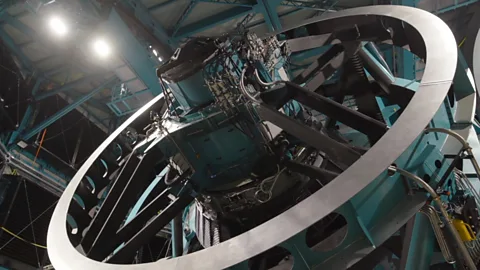
Introduction to Europe’s New Astronomical Telescope The recent inauguration of Europe’s state-of-the-art astronomical telescope marks a significant advancement in the realm of observational astronomy. This sophisticated instrument has just reached a pivotal milestone known as “first light,” which denotes the initial successful capture of light from celestial objects. This event is not merely a technical […]

Read More →

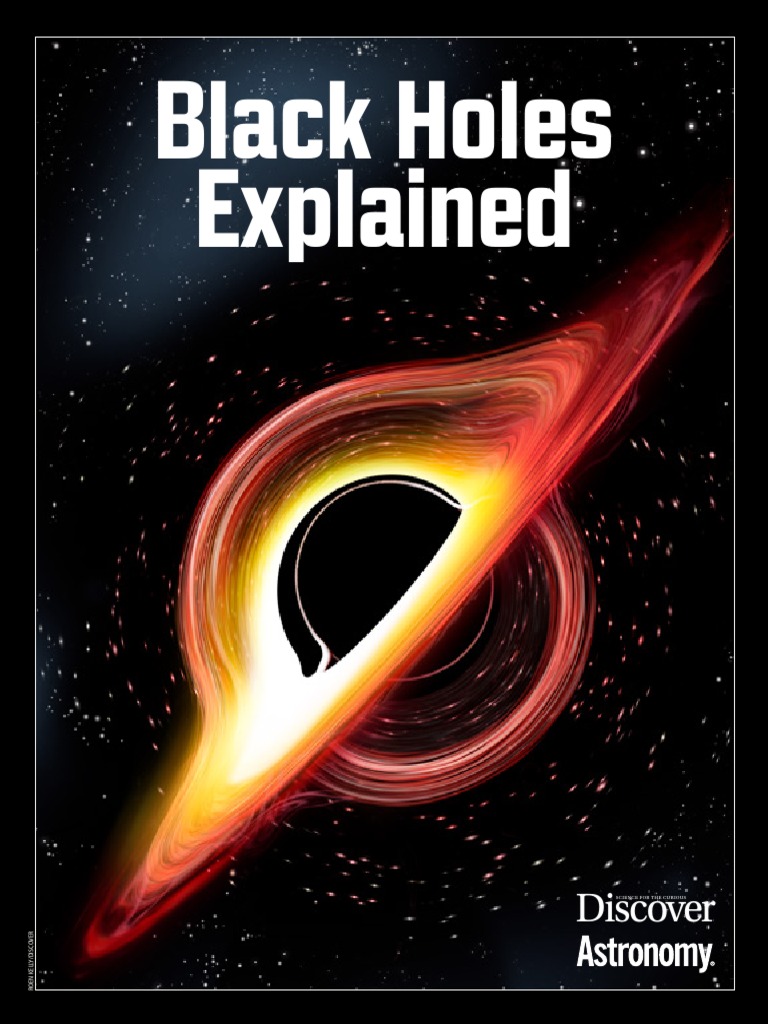
Fresh Light on Black Holes

Definition of Black Holes Black holes are extraordinary regions in spacetime where gravitational forces are so overwhelmingly strong that nothing, including light, can escape their grasp. These cosmic entities arise from the collapse of massive stars after they have depleted their nuclear fuel. Black holes are characterized primarily by three fundamental properties: mass, electric charge, […]

Read More →

Bringing the Stars Home: Exoplanet Hunting Hits Earthly Heights

Understanding Exoplanets Exoplanets are planets that orbit stars outside our solar system, representing a frontier in modern astrophysics. These distant worlds captivate scientists and enthusiasts alike, symbolizing humanity’s enduring quest to explore beyond Earth’s boundaries. The phrase “Bringing the Stars Home” encapsulates this pursuit, reflecting not only the act of discovery but also the deep […]

Read More →

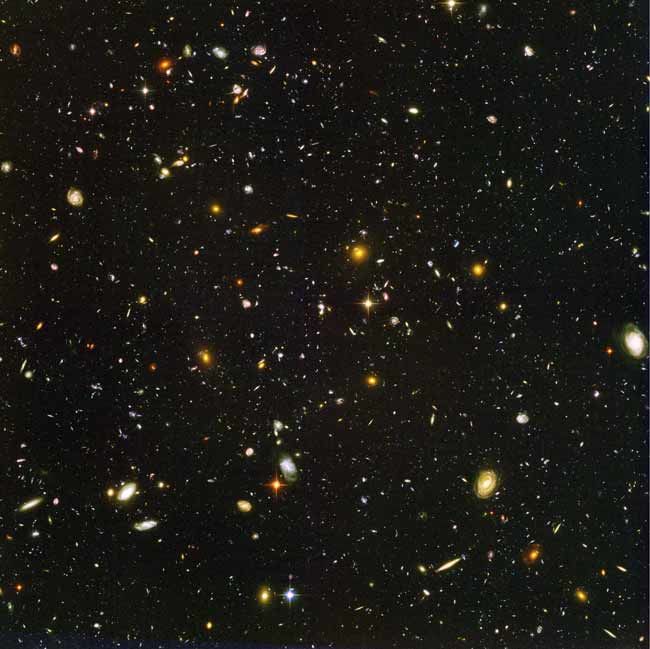
The Most Distant Galaxy Ever Seen

Definition of the Most Distant Galaxy The most distant galaxy ever detected represents a cosmic structure observed at an extraordinary distance, providing a glimpse into the universe’s earliest stages. This galaxy, known as GN-z11, is a celestial body composed of stars, gas, dust, and dark matter, located so far away that its light has traveled […]

Read More →

Europe’s 20-Year Astronomy Roadmap: Bold Visions Among the Stars

Overview of Europe’s 20-Year Astronomy Roadmap Europe has laid out a comprehensive and visionary plan to propel astronomical research forward over the next two decades. This strategic roadmap aims to strengthen Europe’s standing in the global scientific community by outlining a series of ambitious goals, technological innovations, and collaborative efforts. It serves as a blueprint […]

Read More →

A Gargantuan Black Hole in a Dwarf Galaxy

Definition of Gargantuan Black Holes in Dwarf Galaxies Gargantuan black holes are extraordinarily massive black holes, often millions to billions of times the mass of the Sun. While traditionally associated with the centers of large galaxies, recent discoveries reveal their presence within dwarf galaxies-small galactic systems containing up to a billion stars. These dwarf galaxies […]

Read More →

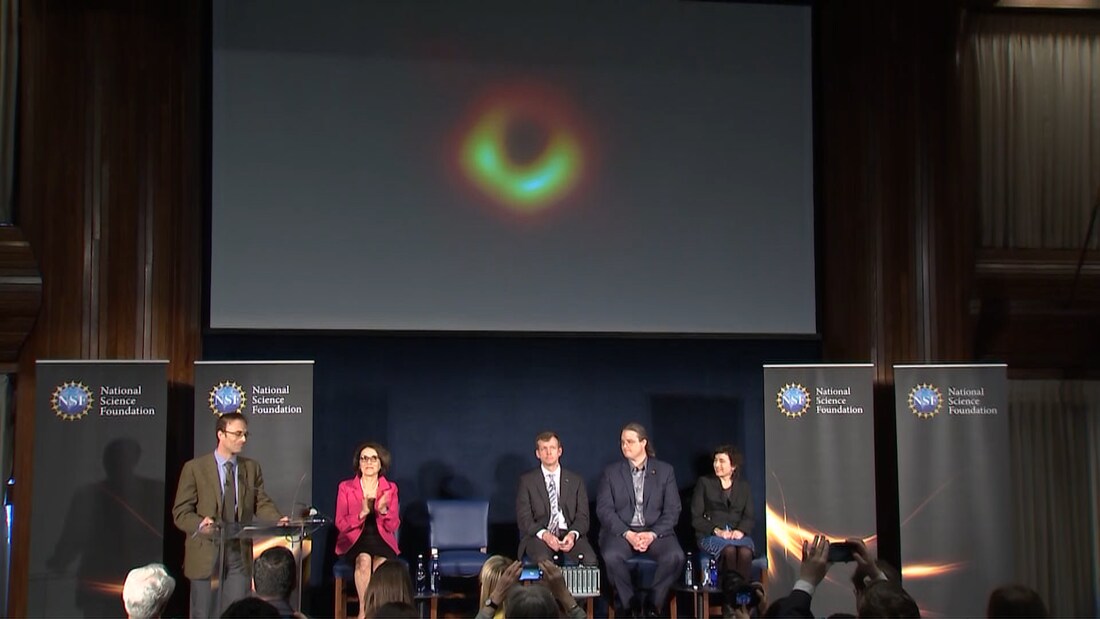
Black Hole Confirmed: A 40-Year Journey Ends in Proof

Definition of Black Holes Black holes are extraordinary cosmic objects characterized by gravitational fields so intense that nothing, not even light, can escape their pull. Originally emerging as theoretical solutions to Albert Einstein’s general relativity equations in 1915, black holes have transitioned from abstract mathematical concepts to observable astrophysical entities. They are often visualized as […]

Read More →

How a Gas Cloud Measures Cosmic Distance

Understanding Cosmic Gas Clouds The universe, vast and enigmatic, can be likened to an endless ocean where each star, galaxy, and interstellar gas cloud represents a droplet contributing to a dynamic and ever-changing cosmic mosaic. Among these celestial components, gas clouds hold a pivotal role in the measurement of astronomical distances, acting as both signposts […]

Read More →

The First Sighting of Dark Matter

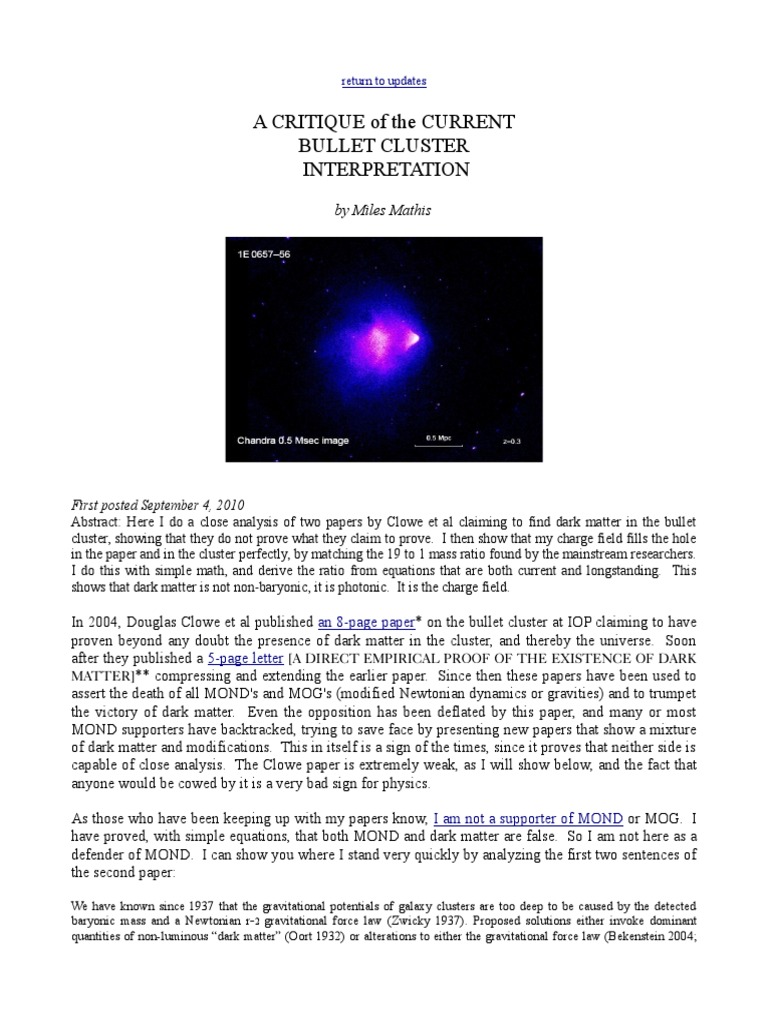
Definition of Dark Matter Dark matter refers to a form of matter that does not emit, absorb, or reflect light, making it invisible to current electromagnetic observational methods. Despite its invisibility, it exerts a significant gravitational influence on visible matter, radiation, and the large-scale structure of the universe. Invisible Mass: Dark matter cannot be detected […]

Read More →