
Short Answer
Understanding Telescopes for Planetary and Galactic Observation
Gazing into the night sky, countless individuals are drawn to the mesmerizing beauty of planets and distant galaxies. This fascination stems from a deep-seated desire to explore the universe and understand our position within it. The captivating dance of light and shadow, the glow of ancient stars, and the swirling forms of nebulae invite observers on an endless voyage through space and time. However, these celestial marvels are often too faint or distant to be seen clearly without the aid of specialized optical instruments-telescopes designed to reveal the hidden wonders of the cosmos.
Definition and Characteristics of Celestial Objects
To select an ideal telescope for viewing planets and galaxies, it is essential to grasp the distinct nature of these objects:
- Planets:
These are relatively close bodies within our solar system, appearing as bright discs with visible surface details such as atmospheric bands, polar ice caps, and notable features like Jupiter’s Great Red Spot or Saturn’s rings. - Galaxies:
Vast conglomerations of billions of stars, galaxies exhibit complex structures and diffuse light that challenge both human eyesight and optical equipment.
Key Telescope Features for Optimal Viewing
Choosing the right telescope involves evaluating several critical factors that influence image quality and usability:
Aperture
The aperture, or the diameter of the telescope’s primary lens or mirror, is the most crucial specification. It determines the amount of light the telescope can collect and the level of detail it can resolve. Larger apertures allow observers to detect fainter galaxies and discern finer planetary features. However, bigger apertures often mean increased cost, weight, and complexity in setup.
Optical Designs
- Refractor Telescopes:
Utilizing lenses to focus light, refractors deliver sharp, high-contrast images ideal for planetary and lunar observation. Their sealed tubes protect internal optics from dust and reduce maintenance. While larger refractors can be expensive, models with apertures between 90mm and 120mm offer excellent views of planets and are favored for their image clarity. - Reflector Telescopes:
These use mirrors to gather light and typically provide larger apertures at more affordable prices. Newtonian reflectors are popular for their balance of performance and accessibility, making them suitable for viewing faint galaxies and nebulae. However, their open tube design requires occasional mirror alignment (collimation) and cleaning. - Catadioptric Telescopes:
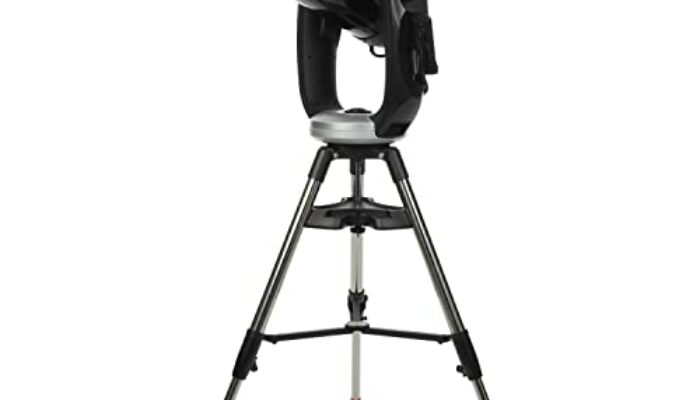
Combining lenses and mirrors, catadioptric designs like Schmidt-Cassegrain and Maksutov-Cassegrain offer compact, versatile instruments. They provide long focal lengths for detailed planetary views while maintaining sufficient aperture for deep-sky objects. Their enclosed optical systems reduce dust intrusion and thermal disturbances, enhancing image stability.
Focal Length and Focal Ratio
The focal length influences magnification and field of view. Longer focal lengths are advantageous for high-magnification planetary observations, revealing intricate surface details. Shorter focal lengths provide wider fields of view, beneficial for observing expansive galaxies and star clusters. The focal ratio (f-number), calculated by dividing the focal length by the aperture, affects image brightness and depth of field, guiding the selection of appropriate eyepieces for different celestial targets.
Mounting Systems
A stable mount is vital to prevent image shake, which can disrupt viewing and astrophotography. Two common types include:
- Altazimuth Mounts:
These allow simple up-down and left-right movements, making them user-friendly for beginners and casual observers. - Equatorial Mounts:
Aligned with Earth’s rotational axis, these mounts enable smooth tracking of celestial objects as they move across the sky, essential for detailed planetary study and long-exposure imaging of galaxies.
Environmental and Practical Considerations
The observing location and ease of use significantly impact the telescope experience:
- Light Pollution:
Urban areas with excessive artificial lighting reduce the visibility of faint galaxies, often necessitating specialized filters or more sensitive optics. - Dark Sky Sites:
Rural or remote locations offer darker skies, revealing a wealth of deep-sky objects that benefit from larger apertures and advanced equipment. - Portability:
The weight and complexity of a telescope affect how often it is used. A lightweight, easy-to-assemble instrument encourages frequent observation, often yielding better overall satisfaction than a cumbersome setup.
Enhancing Observations with Accessories
Various add-ons can significantly improve the viewing experience:
- Eyepieces:
Different focal lengths allow customization of magnification for planetary detail or wide-field galactic views. - Barlow Lenses:
These increase magnification by two or three times without sacrificing image quality. - Filters:
Neutral density filters reduce lunar glare, while narrowband filters isolate specific nebular emissions, enhancing contrast. - Navigation Aids:
Star charts, mobile apps, and computerized GoTo systems assist in locating and tracking elusive celestial objects, making astronomy accessible to all skill levels.
Notable Telescope Models for Planetary and Galactic Viewing
Several telescope types are widely recognized for their performance and user-friendly design:
- Schmidt-Cassegrain Telescopes:
Compact models with apertures around 8 inches (200mm) offer a versatile entry point for both planetary and deep-sky observation. - Newtonian Reflectors:
Larger apertures of 10 inches (250mm) or more reveal faint galaxies and nebulae with impressive clarity. - Apochromatic Refractors:
Though limited in aperture size, these high-end refractors provide exceptional color correction, enhancing the fidelity of bright planetary images.
Common Misconceptions About Telescopes
Bigger aperture always means better viewing.
While larger apertures gather more light, factors like optical quality, mount stability, and observing conditions also critically affect performance.
Refractors are always superior for all types of observation.
Refractors excel at planetary viewing but may be less cost-effective for deep-sky objects compared to reflectors or catadioptrics.
High magnification is best for all celestial objects.
Excessive magnification can reduce image brightness and clarity; appropriate magnification depends on the target and telescope specifications.
Significance of Choosing the Right Telescope
Selecting an appropriate telescope is more than a technical decision; it is a gateway to connecting with the universe. The right instrument transforms stargazing from a casual pastime into a profound exploration of cosmic wonders. Whether observing the turbulent storms on Jupiter, the majestic spiral arms of the Andromeda Galaxy, or the delicate rings of Saturn, a well-chosen telescope enriches the experience, fostering a deeper appreciation of the night sky’s grandeur.
Summary
In essence, the ideal telescope for planetary and galactic observation balances aperture size, optical design, focal characteristics, mount stability, and practical usability. Understanding one’s specific astronomical interests and observing environment is crucial to making an informed choice. Through this thoughtful selection, the vast universe becomes accessible, inviting every observer to partake in the timeless story written among the stars.
FAQ
What is the best type of telescope for viewing planets?
Refractor telescopes are often considered the best for planetary viewing due to their ability to provide sharp, high-contrast images.
How does aperture size affect telescope performance?
Larger apertures gather more light, allowing for better resolution of faint objects, but they can also increase cost and complexity.
What are common misconceptions about telescopes?
Some believe that a larger aperture always means better viewing, but factors like optical quality and observing conditions also play significant roles.

Leave a Reply