
Short Answer
Definition of Biomedical Engineering and Its Academic Pursuit
Biomedical engineering is an interdisciplinary field that integrates principles from biology, medicine, and engineering to develop technologies and solutions aimed at improving healthcare. Pursuing a Doctor of Philosophy (PhD) in this area involves advanced study and research, focusing on innovative approaches to medical challenges. This academic path is often considered by individuals seeking to deepen their expertise and contribute significantly to the advancement of medical science and technology.
Intellectual and Research Benefits of a PhD in Biomedical Engineering
Engaging in doctoral research within biomedical engineering offers unparalleled intellectual growth. Candidates immerse themselves in cutting-edge technologies and tackle complex scientific problems that have the potential to impact patient care and medical practices profoundly. This rigorous academic journey hones analytical abilities and fosters a comprehensive understanding of both biological systems and engineering methodologies.
Innovation and Contribution to Medical Advancements
One of the primary advantages of obtaining a PhD in this discipline is the opportunity to drive innovation. The field is fertile ground for pioneering developments, including the creation of novel medical devices, therapeutic strategies, and biomedical applications. Doctoral researchers often find themselves at the forefront of these breakthroughs, playing a crucial role in transforming healthcare outcomes.
Career Opportunities and Professional Growth
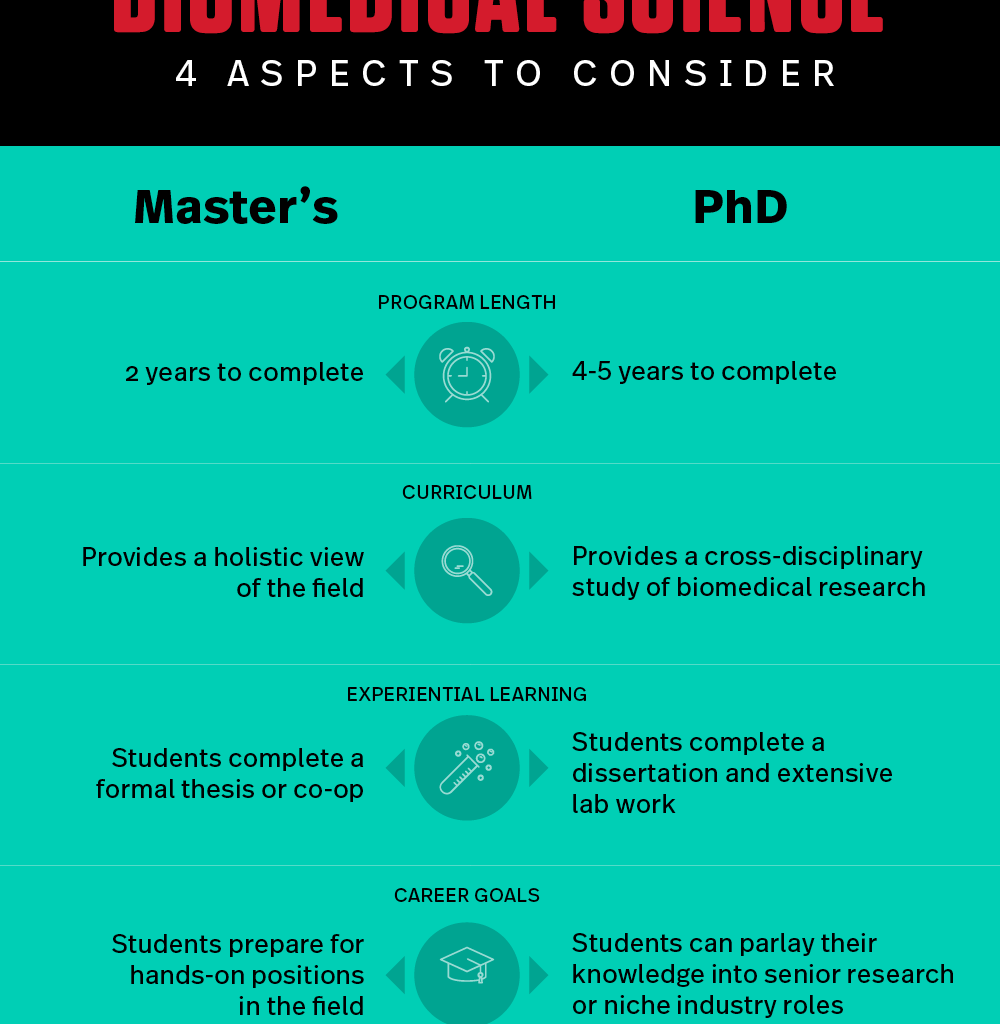
A doctoral degree in biomedical engineering significantly broadens career prospects. Graduates can pursue roles in academia, industry, regulatory agencies, and clinical environments. For those aiming to become thought leaders or academic researchers, a PhD provides the credentials necessary to secure influential positions. Additionally, it enables professionals to mentor emerging engineers and foster interdisciplinary collaborations that address multifaceted health issues.
Networking and Collaborative Advantages
PhD programs facilitate connections with experienced mentors, policymakers, and fellow researchers, creating a valuable professional network. These relationships not only enhance intellectual development but also offer practical support and collaborative opportunities, which are essential for navigating the complex biomedical engineering landscape.
Challenges and Considerations in Pursuing a PhD
Despite its benefits, undertaking a PhD in biomedical engineering involves significant challenges. The extensive time commitment-often spanning several years-can impact personal life and delay entry into the workforce. Financial constraints and family responsibilities may further complicate this commitment.
Employment Realities Post-PhD
Holding a doctoral degree does not guarantee immediate employment in desired sectors. The competitive nature of both academia and industry means that job markets can be saturated, making it difficult to secure preferred positions. Prospective candidates should thoroughly research employment trends and opportunities before committing to doctoral studies.
Mental Health and Stress Factors
The demanding nature of doctoral research can lead to psychological stress, stemming from high expectations and the pressure to produce original work. Developing resilience and effective coping strategies is crucial for managing these challenges throughout the PhD journey.
Adapting to the Evolving Biomedical Engineering Landscape
As technological advancements accelerate, professionals in biomedical engineering must continuously update their knowledge and skills. The dynamic nature of the field requires adaptability and a commitment to lifelong learning, which can be both motivating and daunting for doctoral candidates.
Alternative Educational Pathways in Biomedical Engineering
For those hesitant about the extensive commitment of a PhD, other educational options exist. A master’s degree can provide access to meaningful roles within the biomedical industry without the prolonged duration of doctoral studies. Additionally, graduate certificates and specialized training programs offer targeted skill enhancement, enabling professionals to advance their careers with less time investment.
Making an Informed Decision: Weighing Pros and Cons
Deciding to pursue a PhD in biomedical engineering requires careful self-assessment and alignment of personal goals with practical considerations such as time, finances, and career aspirations. Engaging with mentors, conducting thorough research, and reflecting on long-term objectives are essential steps before embarking on this demanding academic path.
Summary: The Value and Challenges of a PhD in Biomedical Engineering
In conclusion, a PhD in biomedical engineering offers substantial intellectual, professional, and personal rewards, including opportunities for innovation, career advancement, and impactful contributions to healthcare. However, candidates must remain mindful of the significant time investment, competitive job market, and psychological demands associated with doctoral studies. For those passionate about advancing medical technology and prepared to face these challenges, the pursuit of a PhD can lead to groundbreaking discoveries and a fulfilling career.
FAQ
What are the main benefits of pursuing a PhD in Biomedical Engineering?
A PhD offers advanced research skills, opportunities for innovation, career advancement in academia and industry, and a strong professional network.
What challenges should I consider before pursuing a PhD in Biomedical Engineering?
Challenges include the significant time commitment, financial constraints, competitive job markets, and psychological stress associated with doctoral studies.
Are there alternative educational paths to a career in biomedical engineering?
Yes, master's degrees, graduate certificates, and specialized training programs can also lead to meaningful careers in the field without the extensive commitment of a PhD.
Is a PhD necessary for a successful career in biomedical engineering?
Not always; while a PhD can open many doors, many roles in biomedical engineering are accessible with a master's degree or other qualifications.




Leave a Reply