
Why is graphene so dense yet flexible?

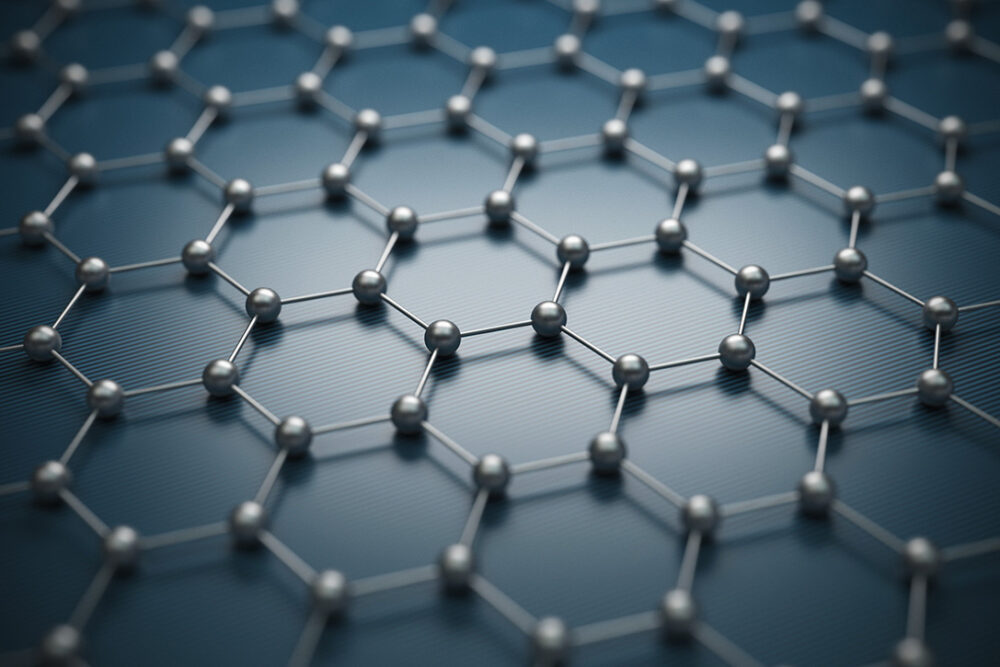
Definition of Graphene Graphene is an extraordinary form of carbon, distinguished by its single-atom-thick, two-dimensional structure. It consists of carbon atoms arranged in a hexagonal, honeycomb-like lattice, which imparts unique physical and chemical properties. This allotrope has attracted significant scientific and industrial interest due to its exceptional combination of strength, density, and flexibility. Atomic Structure […]
Read More →

Is graphene the future of electronics?

Definition of Graphene Graphene is a single atomic layer of carbon atoms arranged in a two-dimensional honeycomb lattice. This unique structure endows it with exceptional physical and chemical properties, making it a subject of intense research and innovation, particularly in the field of electronics. Atomic Structure: A monolayer of carbon atoms tightly packed in a […]

Read More →

What is instrumentation in physics?

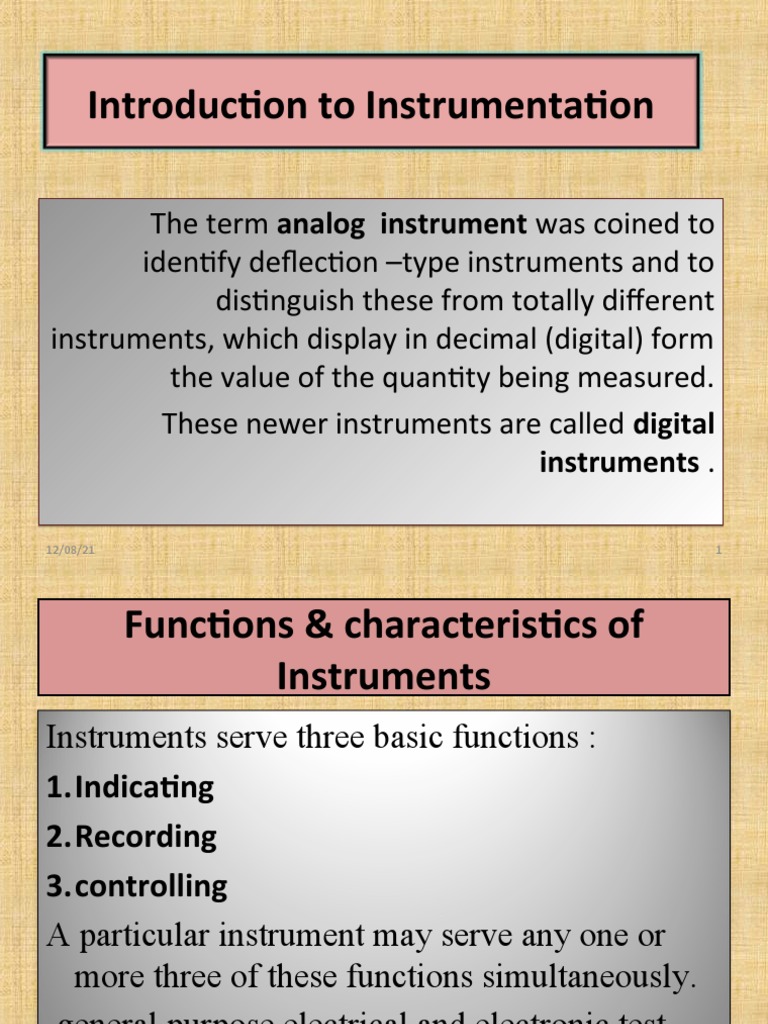
Definition of Instrumentation in Physics Instrumentation in physics encompasses the diverse collection of tools and devices designed to measure and quantify physical properties. These instruments act as essential intermediaries that translate theoretical concepts into measurable data, enabling scientists to observe, analyze, and validate physical phenomena. Without instrumentation, the empirical foundation of physics would be unattainable, […]

Read More →

How does an MRI incorporate optics mirror and/or lenses?

Definition of Optics in MRI Optics in Magnetic Resonance Imaging (MRI) refers to the application of optical principles-such as the use of lenses and mirrors-to enhance the detection, focusing, and manipulation of signals within MRI systems. This integration improves image clarity and precision, enabling detailed visualization of internal anatomical structures beyond the capabilities of magnetic […]

Read More →

What is the history of high-performance computing?

Definition of High-Performance Computing (HPC) High-performance computing (HPC) refers to the use of advanced computational systems and techniques to perform complex calculations, simulations, and data processing tasks at speeds far exceeding those of standard computers. HPC enables researchers and engineers to solve large-scale scientific, engineering, and data-intensive problems by leveraging powerful hardware architectures and optimized […]

Read More →

Do scientists find popular science boring?

Understanding Scientists’ Perspectives on Popular Science The question of whether scientists find popular science uninteresting or dull is a topic that resonates deeply within both academic circles and the general public. This inquiry reveals the complex relationship between scientific professionals and the ways their work is communicated to broader audiences. To fully grasp this dynamic, […]

Read More →

How practical will a prime number producing algorithm be?

Definition of Prime Numbers and Their Significance Prime numbers are fundamental elements within the set of natural numbers, characterized by their indivisibility except by one and themselves. These unique integers serve as the foundational “building blocks” of arithmetic, much like atoms constitute matter in the physical world. Their distinct properties have intrigued mathematicians and computer […]

Read More →

What is splitting a subatomic particle?

Definition of Subatomic Particle Splitting Subatomic particle splitting refers to the process by which fundamental constituents of matter are divided or transformed, revealing the intricate forces and interactions that govern the microscopic world. This phenomenon encompasses various mechanisms such as nuclear fission, particle decay, and high-energy collisions, each providing critical insights into the structure and […]

Read More →