Can we break atoms and elements?

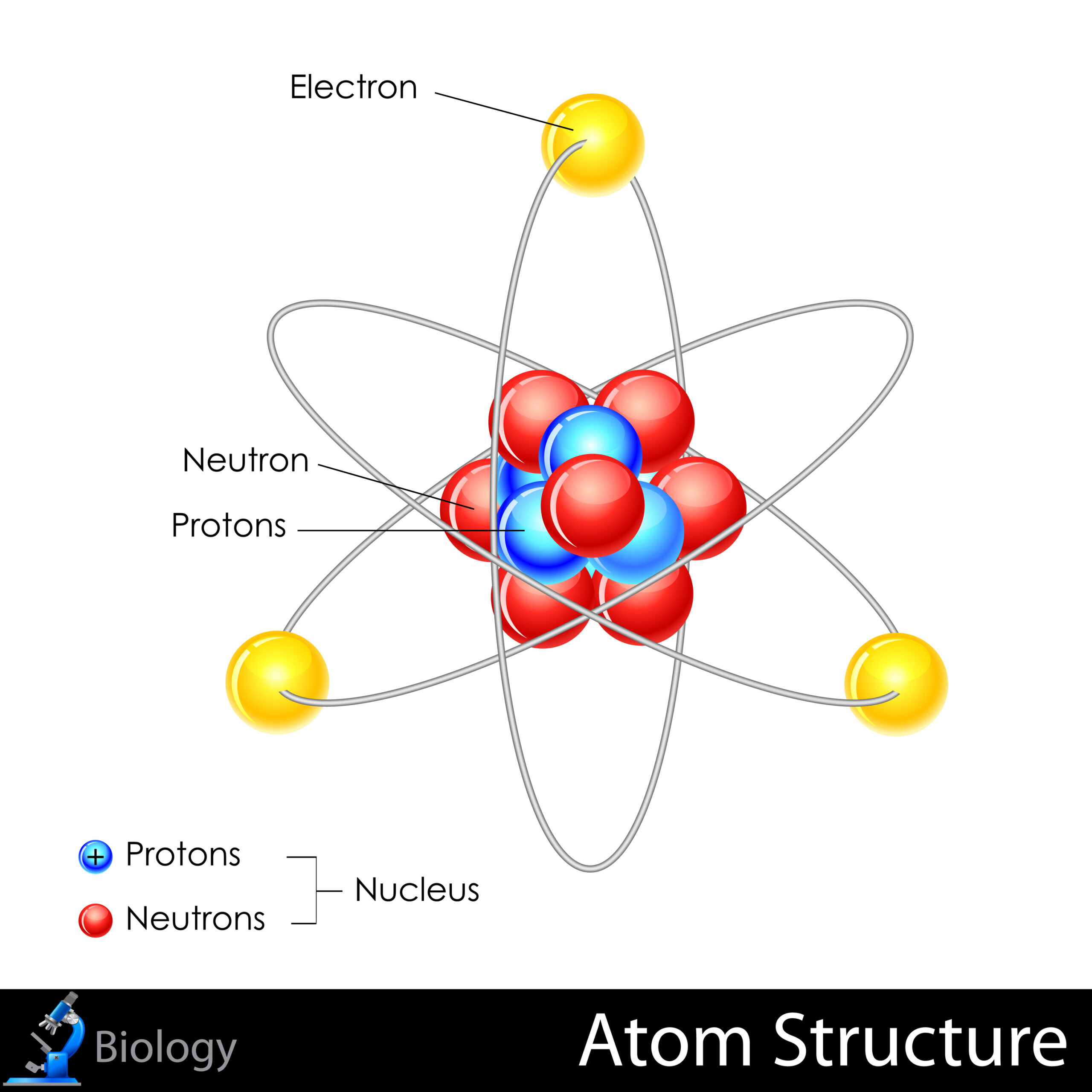
Definition of Atomic and Elemental Breakdown Breaking atoms and elements refers to the process of altering the fundamental structure of matter at the atomic or subatomic level. This involves disrupting the nucleus of atoms or changing one element into another through nuclear reactions. Such processes are central to modern physics and chemistry, with significant implications […]

Read More →

Why is it so hard to make a quantum computer?

Understanding Quantum Computing Quantum computing represents a cutting-edge intersection of physics and computer science, poised to transform our approach to computation. Despite its promising potential, the development of a fully operational quantum computer remains a formidable challenge. This difficulty stems from the complex principles of quantum mechanics and numerous practical obstacles. Exploring these challenges sheds […]

Read More →

What are the best projects on biomedical instrumentation?

Definition of Biomedical Instrumentation Biomedical instrumentation is a multidisciplinary field that merges engineering, technology, and healthcare to develop devices and systems aimed at improving medical diagnosis, treatment, and patient care. It involves designing and implementing tools that measure, monitor, and analyze physiological data, thereby enhancing the understanding and management of human health. Interdisciplinary Nature: Combines […]

Read More →

Best Books for Condensed Matter Physics: From Basics to Brilliance

Overview of Condensed Matter Physics Condensed matter physics serves as a fundamental pillar within modern physics, focusing on the complex behaviors exhibited by matter in its various phases. This expansive discipline captivates both scholars and enthusiasts due to its significant impact on technological innovation, material science, and our core comprehension of natural phenomena. The following […]

Read More →

What is quantum computation and quantum information?

Understanding Quantum Computation and Quantum Information Quantum computation and quantum information represent a groundbreaking fusion of computer science and quantum mechanics, poised to transform the way we process and manage data. Unlike traditional computing, which relies on classical bits that exist strictly as 0s or 1s, quantum computing introduces quantum bits, or qubits, which leverage […]

Read More →

Are subatomic particles made up of dark energy?

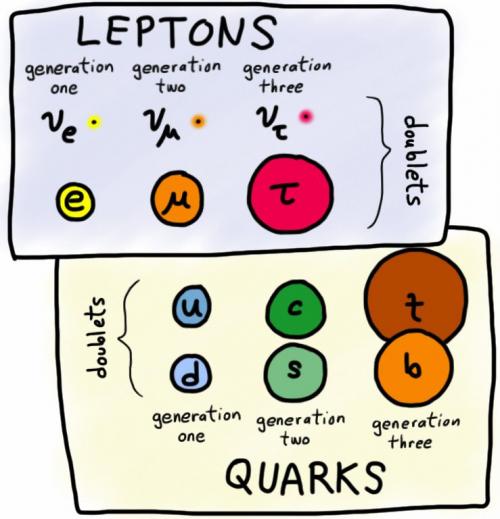
Understanding Subatomic Particles and Dark Energy Modern physics reveals a universe far more complex than what meets the eye, extending beyond visible matter to the enigmatic realms of subatomic particles and dark energy. A compelling question arises: Could subatomic particles be composed of dark energy? To explore this, we must examine the fundamentals of particle […]

Read More →

Is QCD valid up to arbitrarily high energies?

Definition of Quantum Chromodynamics (QCD) Quantum Chromodynamics (QCD) is the fundamental quantum field theory that explains the strong interaction, one of the four fundamental forces in nature. It specifically describes how quarks and gluons-the elementary particles that constitute protons, neutrons, and other hadrons-interact through the exchange of color charge. QCD forms the theoretical backbone for […]

Read More →

What are the topics covered in Instrumentation Engineering?

Definition of Instrumentation Engineering Instrumentation Engineering is a specialized branch of engineering focused on the design, development, and management of systems used for measurement, control, and automation in industrial and technological processes. It combines knowledge from electrical, mechanical, chemical engineering, and computer science to create reliable and efficient systems that monitor and regulate various parameters […]

Read More →