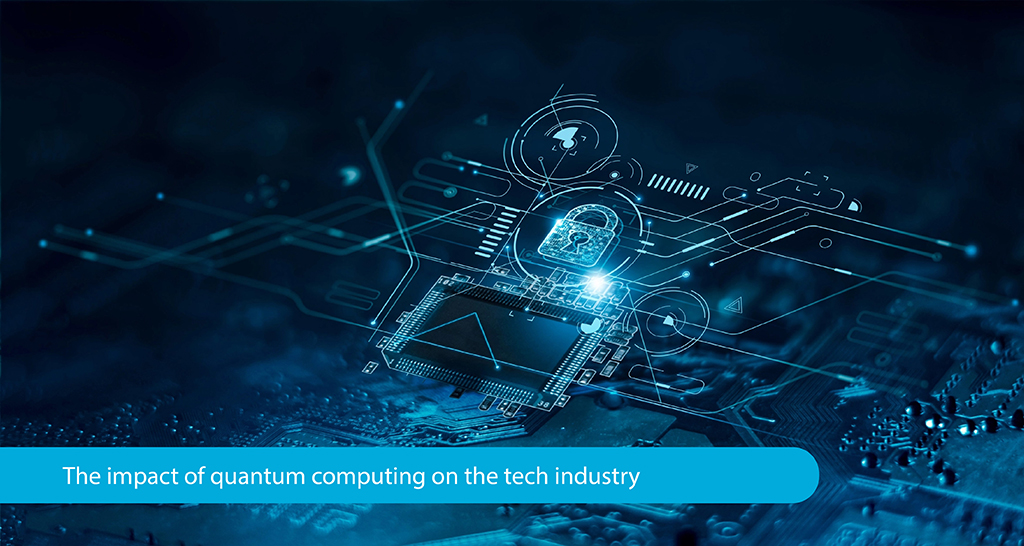
Can you explain Qubit vs. Binary?

Understanding the Basics: Classical Bits vs. Qubits In the realm of computing, the fundamental unit of information in classical systems is the bit, which exists in one of two distinct states: 0 or 1. These binary states correspond to electrical signals-off or on-that form the foundation of all traditional digital devices, from simple calculators to […]

Read More →

How do atoms merge together to create life?

Definition of Atomic Fusion in the Context of Life The process by which atoms combine to form living organisms offers a fascinating insight into the interplay of chemistry, physics, and biology. At its essence, this phenomenon involves understanding atomic structures, the forces that govern their interactions, and how these interactions lead to the creation of […]

Read More →

What exactly does a particle physicist do?

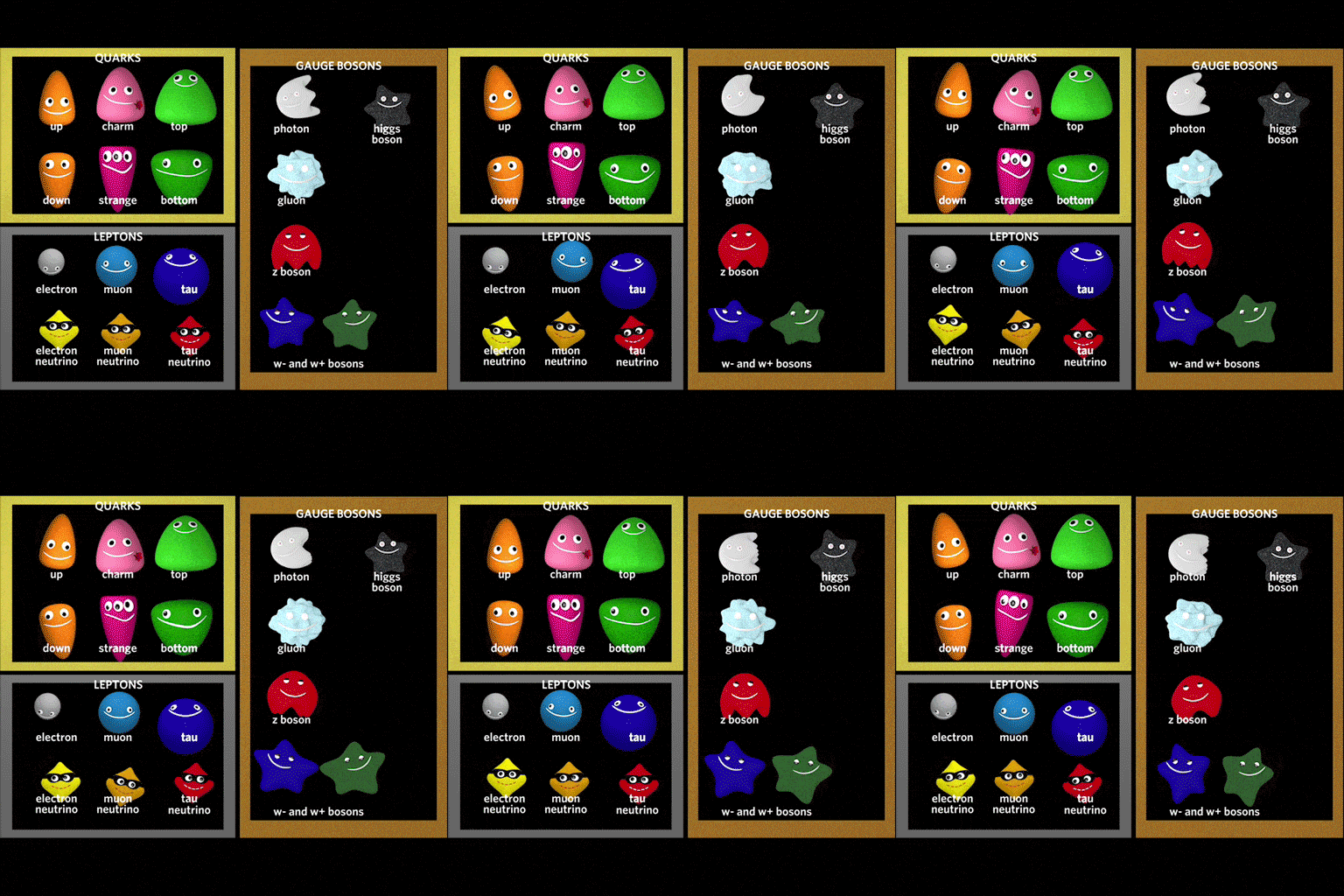
Understanding Particle Physics Particle physics is a fundamental branch of science dedicated to exploring the smallest building blocks of matter and the forces that govern their interactions. This field delves into the subatomic realm, investigating particles such as quarks, leptons, and bosons, which collectively form the foundation of the universe. By studying these elementary particles, […]

Read More →

Should I Pursue an MS or PhD in Biomedical Engineering?

Overview of Graduate Degrees in Biomedical Engineering In the rapidly advancing domain of biomedical engineering, choosing between a Master of Science (MS) and a Doctor of Philosophy (PhD) represents a crucial decision that shapes one’s academic journey and professional future. Each degree offers a unique educational approach, distinct skill development, and divergent career pathways. Given […]

Read More →

How do nuclear reactions work?

Definition of Nuclear Reactions Nuclear reactions are fundamental processes involving changes within atomic nuclei, resulting in the transformation of matter at its most basic level. These reactions entail the rearrangement of protons and neutrons inside the nucleus, often accompanied by the release or absorption of substantial energy. Such processes are pivotal in both natural phenomena […]

Read More →

Is hydrogen an atom or molecule?

Definition of Hydrogen Hydrogen is the simplest and most plentiful element found throughout the universe. It is characterized by having an atomic number of one, meaning it consists of a single proton in its nucleus orbited by one electron. This elemental simplicity makes hydrogen a fundamental subject in the study of matter and chemistry. Atom: […]

Read More →

Will quantum computing have a good labor market in 10 years?

Understanding the Quantum Computing Labor Market As we stand on the threshold of the quantum computing revolution, a critical inquiry emerges among economists, technologists, and career aspirants alike: what will the job market for quantum computing look like in the next decade? This question encapsulates both the promise of groundbreaking technological progress and the uncertainties […]

Read More →

How is photonics related to astrophysics?

Definition of Photonics and Astrophysics Photonics is the scientific field focused on the generation, control, and detection of photons, the fundamental particles of light. It encompasses a broad range of technologies that manipulate light for various applications, from communication to sensing. Astrophysics is the branch of astronomy that studies the physical properties and underlying phenomena […]

Read More →

What is a hedron lepton and quark?

Definition of Quarks and Leptons In particle physics, quarks and leptons represent two fundamental classes of elementary particles that constitute the fabric of matter. Quarks are particles characterized by properties such as color charge, which enables them to participate in the strong nuclear force-the interaction responsible for holding protons and neutrons together within atomic nuclei. […]

Read More →