
Short Answer
Definition of Radiation
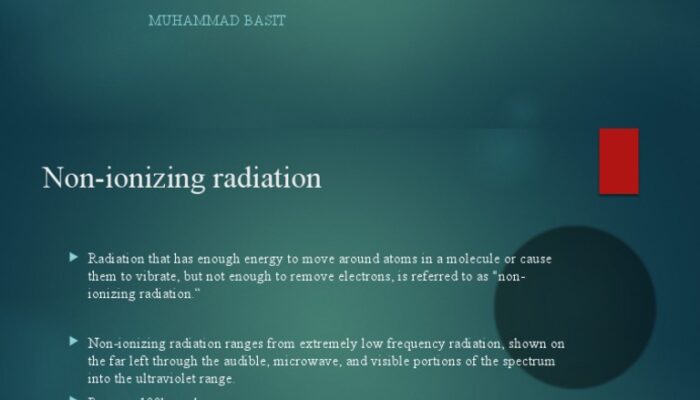
Radiation refers to the emission and propagation of energy through space or a medium, typically in the form of particles or electromagnetic waves. This energy release originates from atomic or molecular transitions, where excited states return to lower energy levels. Radiation is broadly classified into two categories based on its energy and interaction with matter: ionizing radiation and non-ionizing radiation.
- Ionizing Radiation:
Radiation with enough energy to remove tightly bound electrons from atoms, creating ions. - Non-Ionizing Radiation:
Radiation with insufficient energy to ionize atoms but capable of causing other effects such as heating.
Characteristics and Mechanisms of Ionizing Radiation
Ionizing radiation carries sufficient energy to eject electrons from atoms or molecules, resulting in the formation of charged particles known as ions. This ionization process can trigger a series of chemical and biological reactions, which may be beneficial or harmful depending on the context. The main types of ionizing radiation include alpha particles, beta particles, gamma rays, and X-rays, each differing in composition, penetration ability, and biological impact.
- Alpha Particles:
Composed of two protons and two neutrons, alpha particles are emitted by heavy radioactive elements like uranium and radium. Due to their relatively large mass and positive charge, they cannot penetrate solid materials but pose significant health risks if inhaled or ingested. - Beta Particles:
These are high-speed electrons or positrons with greater penetration power than alpha particles, capable of causing cellular damage upon exposure. - Gamma Rays and X-Rays:
Electromagnetic waves with no mass or charge, gamma rays and X-rays have high penetration capabilities. They are widely used in medical diagnostics and cancer treatments due to their ability to destroy malignant cells, though excessive exposure can lead to serious health issues such as cancer and genetic mutations.
Properties and Uses of Non-Ionizing Radiation
Non-ionizing radiation encompasses electromagnetic waves with lower energy levels that do not ionize atoms. This category includes radio waves, microwaves, infrared radiation, and visible light. Unlike ionizing radiation, non-ionizing radiation primarily interacts with matter by inducing molecular vibrations or heating effects rather than causing ionization.
- Radio Waves:
Utilized extensively in communication systems and broadcasting, radio waves enable wireless transmission of information over long distances. - Microwaves:
Employed in cooking and telecommunications, microwaves excite water molecules to generate heat and facilitate data transfer. - Infrared Radiation:
Used in thermal imaging and remote sensing, infrared radiation detects heat signatures and supports various technological applications. - Visible Light:
Essential for vision and photosynthesis, visible light sustains life on Earth and influences biological rhythms through natural and artificial illumination.
Health Effects: Risks and Advantages
The health consequences of ionizing radiation are well-established and warrant careful management. While it plays a crucial role in medical treatments such as radiotherapy, ionizing radiation can cause acute effects like radiation sickness, characterized by symptoms including nausea, fatigue, and increased infection risk. Chronic exposure, even at low doses, may induce cancer and hereditary genetic changes.
Non-ionizing radiation is generally considered safer; however, prolonged or intense exposure to certain types, such as high-frequency microwaves, can cause thermal damage to tissues. Despite these concerns, regulated use of non-ionizing radiation offers significant benefits across various sectors, including telecommunications, medical diagnostics, and industrial processes.
Scientific and Technological Significance of Radiation
Radiation, both ionizing and non-ionizing, is integral to modern science and technology. Its dual nature-as a source of both healing and harm-makes it a compelling subject for ongoing research. Understanding radiation’s mechanisms enables the development of safer technologies and improved medical treatments, while also deepening our comprehension of cosmic and terrestrial phenomena.
Common Misconceptions About Radiation
All radiation is harmful.
Only ionizing radiation poses significant health risks; non-ionizing radiation is generally safe at regulated exposure levels.
Alpha particles can penetrate the skin.
Alpha particles cannot penetrate the outer layer of skin but are dangerous if ingested or inhaled.
Visible light is a form of ionizing radiation.
Visible light is non-ionizing and does not have enough energy to ionize atoms.
Conclusion: Balancing Benefits and Risks
Ionizing and non-ionizing radiation represent two essential segments of the electromagnetic spectrum, each with unique energy levels and biological interactions. Ionizing radiation offers powerful therapeutic and diagnostic tools but requires careful handling due to its potential hazards. Non-ionizing radiation supports vital functions in communication, cooking, and illumination with comparatively lower risks. Advancing our knowledge of these radiation types is crucial for harnessing their advantages while minimizing adverse effects, paving the way for safer and more effective applications in science, medicine, and technology.
FAQ
What is the difference between ionizing and non-ionizing radiation?
Ionizing radiation has enough energy to remove electrons from atoms, creating ions, which can cause cellular damage. Non-ionizing radiation lacks the energy to ionize atoms but can cause heating and other effects.
Is all radiation harmful to humans?
No, only ionizing radiation poses significant health risks. Non-ionizing radiation is generally safe at regulated exposure levels.
Can alpha particles penetrate the skin?
No, alpha particles cannot penetrate the outer layer of skin but are harmful if inhaled or ingested.
What are common uses of non-ionizing radiation?
Non-ionizing radiation is used in communication technologies, cooking (microwaves), thermal imaging, and visible light is essential for vision and photosynthesis.






Leave a Reply