What It’s Like to Be an Older PhD Student in Physics

Understanding the Journey of Older Ph.D. Students in Physics Embarking on a doctoral program in Physics later in life offers a distinctive and enriching experience that contrasts sharply with the traditional student path. While this route presents unique obstacles, the intellectual and personal rewards are equally significant. This article delves into the motivations behind older […]

Read More →

A Look on the Bright Side: Optimism in Optical Physics

Definition of Optical Optimism Optical optimism refers to the hopeful and inspiring outlook that emerges from the study and application of light and its interactions with matter. This concept transcends psychological attitudes, embedding itself within the scientific discipline of optics-a branch of physics dedicated to understanding how light behaves, propagates, and interacts with various materials. […]

Read More →

Bubble Cavitation Spotted in Liquid Crystals: Tiny Explosions Big Insights

Definition of Bubble Cavitation in Liquid Crystals Bubble cavitation refers to the process where vapor-filled cavities or bubbles spontaneously form and subsequently collapse within a liquid medium. When this phenomenon occurs inside liquid crystals-materials that exhibit properties between those of conventional liquids and solid crystals-it reveals complex interactions at the microscale that bridge fluid dynamics […]

Read More →

Why are quantum computers considered faster?

Understanding Quantum Computing Quantum computing represents a groundbreaking advancement in computational science, comparable in significance to the introduction of electricity during the Industrial Revolution. Its primary appeal lies in the potential to dramatically surpass the performance of classical computers, prompting the question: what makes quantum computers inherently faster? Definition and Key Concepts At the core […]

Read More →

Meet Sandhya Jain: A Voice Bridging Physics and Public Thought

Overview of Sandhya Jain’s Role in Modern Physics and Society In today’s rapidly evolving scientific landscape, physics has transcended its traditional academic boundaries to become a crucial element in public conversations. Sandhya Jain, a prominent physicist, exemplifies this shift by bridging the gap between complex scientific theories and societal understanding. Her work extends beyond research, […]

Read More →

The Good And Bad Of 2D Materials – SemiTechnical?

Definition of Two-Dimensional Materials Two-dimensional (2D) materials are crystalline substances consisting of a single layer of atoms, exhibiting unique physical and chemical properties distinct from their bulk counterparts. Their atomic-scale thickness imparts exceptional characteristics that have attracted significant attention in scientific research and technological development. Atomic Thinness: 2D materials are composed of one or a […]

Read More →

Chirality in Graphene: When Geometry Drives Electron Flow

Definition of Chirality in Graphene Chirality in graphene refers to the intrinsic asymmetry in the arrangement of carbon atoms within its two-dimensional lattice, which profoundly influences the behavior of electrons. This property arises from the unique geometric configuration of graphene’s honeycomb structure, composed of two interpenetrating sublattices, commonly labeled A and B. The concept of […]

Read More →

Why do you need to study physics to be a dermatologist?

Definition of Dermatology and Its Scientific Foundations Dermatology is a specialized branch of medicine focused on diagnosing and treating disorders related to the skin, hair, and nails. Far from addressing only surface-level issues, this discipline requires an integrated understanding of how biological systems interact with environmental influences. Just as physics explores the fundamental laws governing […]

Read More →

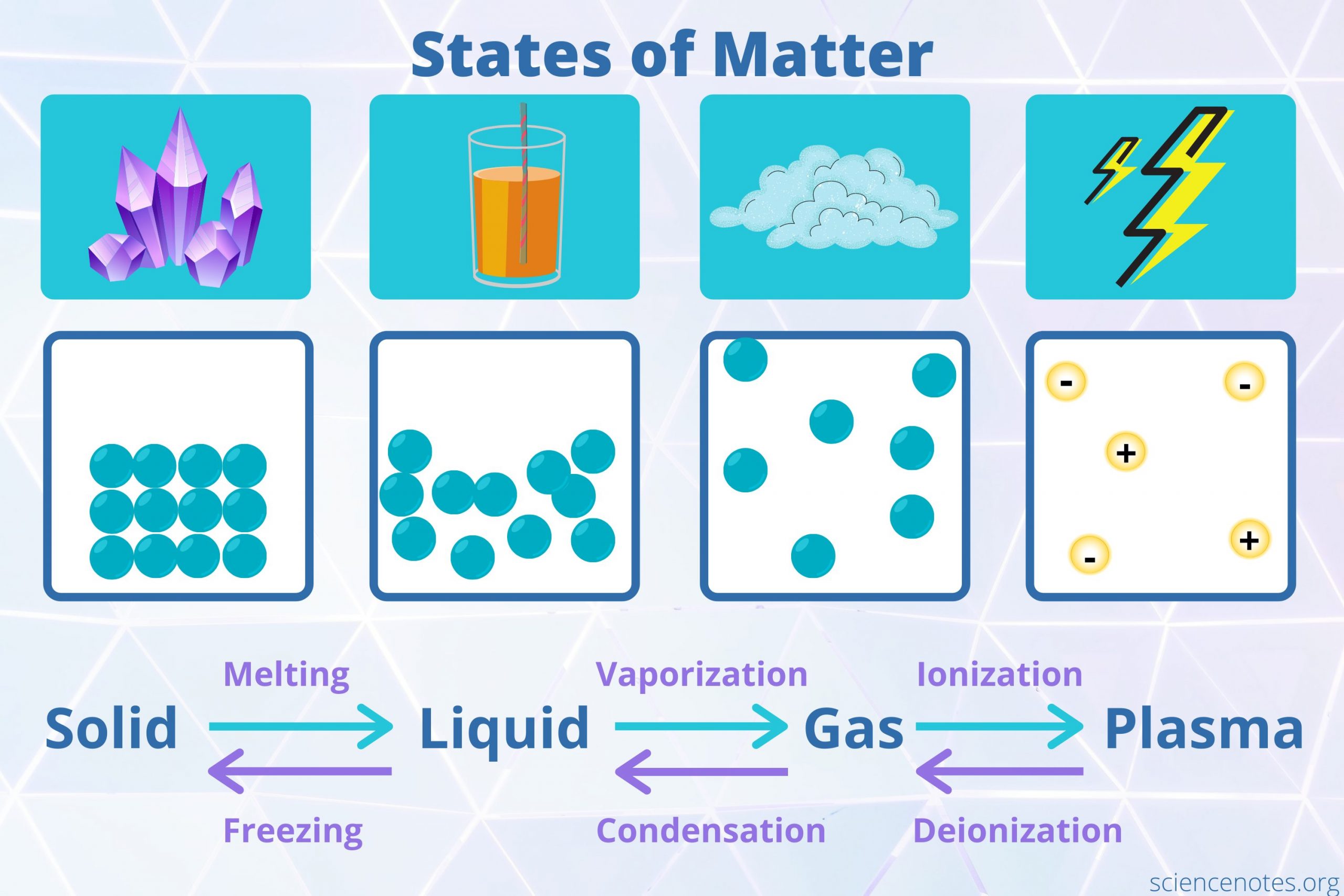
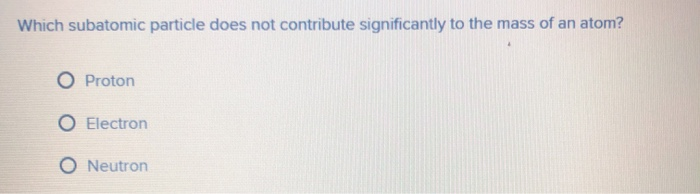
What is the basic building block for all matter in the universe?

Definition of Matter and Its Fundamental Constituents The exploration of matter’s essential components has intrigued thinkers and scientists for centuries, blending philosophical inquiry with empirical investigation. At the heart of this exploration lies the atom, traditionally regarded as the smallest indivisible unit of matter. However, a deeper understanding reveals that atoms themselves are composed of […]

Read More →