Can you explain Bose Einstein condensate in simple terms?

Definition of Bose-Einstein Condensate A Bose-Einstein condensate (BEC) is a unique state of matter that emerges under extreme quantum conditions. It occurs when a collection of bosons-particles that obey Bose-Einstein statistics-are cooled to temperatures nearing absolute zero (-273.15°C or -459.67°F). At this ultra-low temperature, the particles lose their individual identities and merge into a single […]


Read More →

The Structure of Atoms: Spheres Shells and Strange Truths

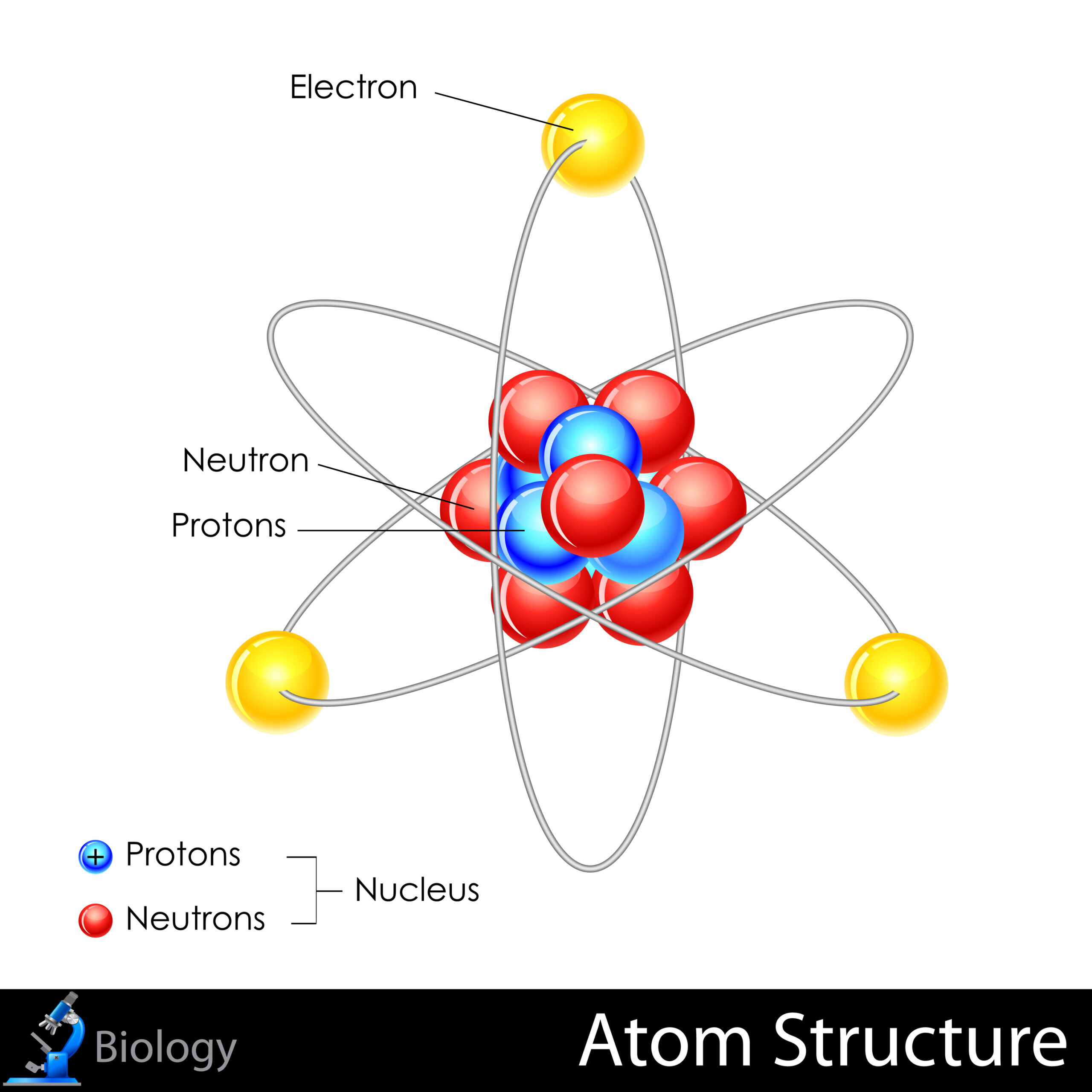
Definition of Atomic Structure Atomic structure refers to the arrangement and composition of the fundamental units of matter known as atoms. Atoms serve as the essential building blocks for all substances in the universe, consisting primarily of three subatomic particles: protons, neutrons, and electrons. These components collectively determine the atom’s characteristics and how it interacts […]

Read More →

Why do we need to study condensed matter?

Definition of Condensed Matter Physics Condensed matter physics is a vital branch of modern science that investigates the physical properties of matter in its solid and liquid phases. It integrates core principles from quantum mechanics, thermodynamics, and statistical mechanics to explain how atoms and molecules interact and organize themselves in condensed phases. This field provides […]

Read More →

Which topic is tougher optics or electromagnetism?

Overview of Optics and Electromagnetism In the study of physics, students frequently encounter the question: which subject poses greater difficulty, optics or electromagnetism? This inquiry sparks extensive debate among learners and educators alike, as both fields present distinct challenges and intellectual rewards. Understanding the fundamental nature of each discipline is essential before comparing their complexities. […]

Read More →

Are atoms chemically bonded in an element?

Definition of Atomic Bonding in Elements Atomic bonding refers to the forces that connect atoms within a substance, whether in compounds or pure elements. In chemistry, understanding whether atoms within an element are chemically bonded is essential for grasping the element’s structure and properties. This concept explores how atoms interact and combine, influencing the physical […]

Read More →

Aerosols Must Be Counted: Tiny Particles with Global Impact

Definition of Aerosols Aerosols are minute particles or droplets suspended in the atmosphere, encompassing a wide range of solid and liquid substances. These particles differ greatly in their chemical makeup, size, and origin, influencing their behavior and impact on the environment. Primary Aerosols: Particles emitted directly into the atmosphere from sources such as volcanic eruptions, […]

Read More →

How will quantum computing revolutionise everyday life?

Understanding Quantum Computing Quantum computing represents a groundbreaking advancement in technology, leveraging the principles of quantum mechanics to process information in fundamentally new ways. Unlike traditional computers that use binary bits-either 0 or 1-quantum computers operate with quantum bits, or qubits, which can exist in multiple states simultaneously due to a phenomenon called superposition. This […]

Read More →