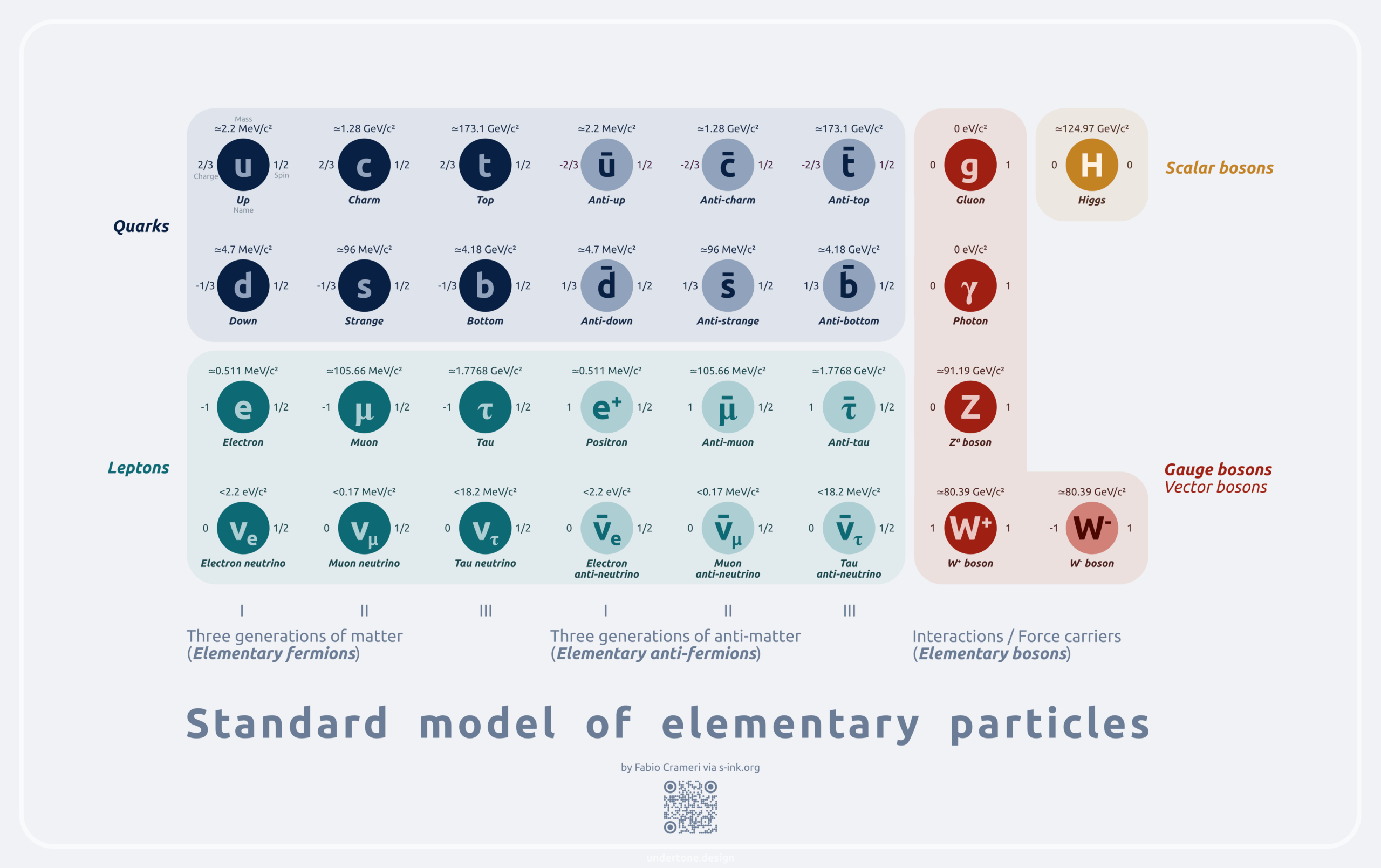
What is the learning outcome about quantum?

Definition of Quantum Mechanics Quantum mechanics is a fundamental branch of physics that explains the behavior of matter and energy at atomic and subatomic scales. Unlike classical physics, which describes the macroscopic world with deterministic laws, quantum mechanics reveals a probabilistic and often counterintuitive nature of particles and waves. This theory forms the foundation for […]

Read More →

What is the present use of graphene?

Definition of Graphene Graphene is a single layer of carbon atoms arranged in a two-dimensional honeycomb lattice. Despite its simple atomic structure, it exhibits extraordinary physical and chemical properties that have captivated scientists and engineers worldwide. This remarkable material serves as a cornerstone in modern materials science, symbolizing vast potential across numerous technological fields. Graphene’s […]

Read More →

Is an electromagnetic field a vector field?

Definition of Electromagnetic Field An electromagnetic field (EMF) is a physical field produced by electrically charged objects, encompassing both electric and magnetic components. These components are interdependent and can propagate through space, influencing charged particles and currents. The EMF is a fundamental concept in classical physics, bridging the phenomena of electricity and magnetism into a […]

Read More →

What is the best book to learn about Optics?

Definition of Optics Optics is the branch of physical science that investigates the behavior and properties of light, including its interactions with matter and the construction of instruments that use or detect it. It encompasses the study of light as both a wave and a particle, exploring phenomena such as reflection, refraction, diffraction, and polarization. […]

Read More →

Reflecting Symmetry: The Universe in Reverse

Definition of Reflecting Symmetry Reflecting symmetry, also known as bilateral symmetry, refers to a property where an object or system can be divided into two mirror-image halves along a central axis. Each half is a reflection of the other, creating a balanced and harmonious structure. This form of symmetry is prevalent in numerous domains, including […]

Read More →

Meet Harsh Pratap Rana: Unleashing the Power of Qubits

Introduction to Harsh Pratap Rana and Quantum Computing In the dynamic fields of modern physics and computational science, Harsh Pratap Rana has emerged as a prominent figure, bridging theoretical insights with practical innovations. His pioneering work in quantum computing leverages the unique properties of qubits to challenge and expand traditional computational frameworks. This article explores […]

Read More →