
Short Answer
Definition of Gold and Its Atomic Nature
Gold is a chemical element symbolized as Au, with an atomic number of 79. It belongs to the category of metals on the periodic table and has fascinated humanity for thousands of years due to its rarity and unique properties. To clarify whether gold is an atom or a molecule, it is essential to understand the basic concepts of atoms and molecules, as well as the distinctive features of gold as an elemental substance.
Atoms vs. Molecules: Fundamental Concepts
Atoms are the smallest units of an element that retain all its chemical characteristics. Gold, like all elements, is composed of individual atoms. Each gold atom contains 79 protons in its nucleus, along with neutrons that vary in number, creating different isotopes. Surrounding the nucleus are electrons arranged in specific energy levels, which influence gold’s chemical behavior and bonding tendencies.
In contrast, molecules consist of two or more atoms chemically bonded together. These atoms can be identical, as in oxygen gas (O2), or different, as in water (H2O). Pure gold does not exist as molecules; instead, it is made up of separate gold atoms grouped together in a metallic structure.
Atomic Structure and Unique Properties of Gold
The atomic arrangement of gold imparts several notable physical and chemical properties:
- Malleability:
Gold can be hammered into extremely thin sheets without breaking, making it ideal for detailed jewelry and artistic creations. - Ductility:
It can be stretched into fine wires, a property crucial for its use in electrical wiring and electronic components. - Electrical Conductivity:
Gold efficiently conducts electricity, facilitating electron flow, which is why it is widely used in high-performance electronic devices.
Gold’s Position in the Periodic Table and Chemical Stability
Gold is classified among the transition metals, distinguished by its electron configuration, particularly the filled d-subshell. This configuration contributes to its chemical stability and resistance to oxidation. Unlike many metals, gold does not tarnish or corrode easily, enhancing its value in jewelry and as a long-term investment.
Chemical Interactions: Complexes and Alloys
While gold itself is atomic, it can engage in chemical reactions forming complexes or alloys:
- Coordination Complexes:
Gold atoms can bond with other atoms or molecules called ligands, creating coordination compounds. These complexes involve gold but do not transform it into a molecule in the traditional sense. - Alloys:
Gold is often combined with metals like silver or copper to produce alloys with varying karat values. These mixtures alter physical properties and appearance but maintain the elemental identity of each constituent atom.
Natural Occurrence and Extraction of Gold
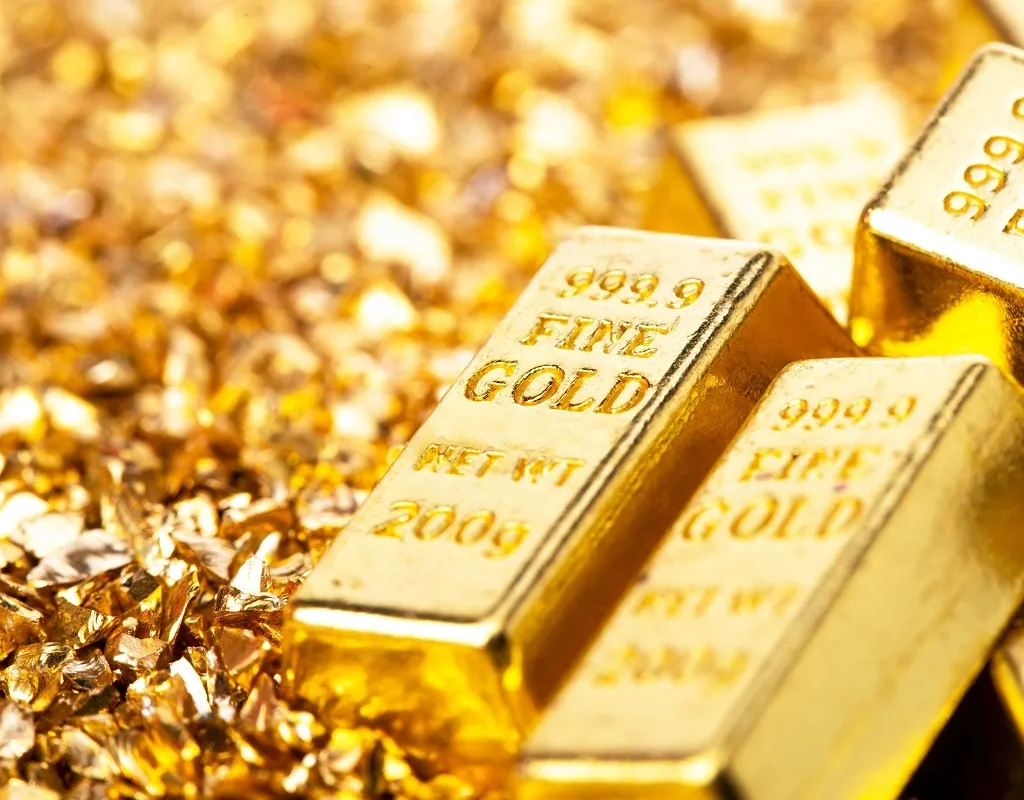
Gold is commonly found in nature in its native form as nuggets or grains, highlighting its atomic state. It is extracted from ores where it may appear as a free element or in natural alloys. The refining process relies on understanding gold’s atomic properties to efficiently separate and purify it for commercial use.
Summary: Gold as an Atomic Element
In conclusion, gold is fundamentally an atom rather than a molecule. Its atomic structure and intrinsic properties distinguish it from molecular substances. Although it can form chemical complexes and alloys, these interactions do not change its elemental classification. Recognizing gold’s atomic nature is crucial for appreciating its role in various fields such as electronics, jewelry, and investment.
Importance of Understanding Gold’s Atomic Character
Grasping the distinction between atoms and molecules is vital for comprehending gold’s behavior and applications. Its atomic identity underpins its unique physical and chemical traits, which have made it a valuable resource throughout history and continue to drive its use in modern technology and commerce.
FAQ
Is gold a molecule or an atom?
Gold is an atom, not a molecule. It exists as individual atoms arranged in a metallic structure rather than bonded molecular units.
Why does gold not tarnish or corrode easily?
Gold has a filled d-subshell electron configuration that grants it chemical stability, making it resistant to oxidation and corrosion.
Can gold form molecules?
Gold does not typically form molecules by itself, but it can form coordination complexes with other atoms or molecules, and alloys when mixed with other metals.


Leave a Reply