
Short Answer
Understanding the Energy-Environment Relationship
The intricate interplay between energy production and environmental health has become a central focus in modern scientific and policy discussions. As global awareness of climate change and ecological conservation grows, it is crucial to examine how different energy generation and consumption methods influence the planet’s ecosystems. This exploration seeks to clarify whether sustainable energy development can coexist with environmental protection or if it presents an inherent conflict, highlighting both the challenges and opportunities within this vital nexus.
Classification of Energy Sources
Energy sources fueling contemporary society fall into two main categories: renewable and non-renewable. Each type carries distinct environmental implications that shape their role in sustainable development.
- Renewable Energy:
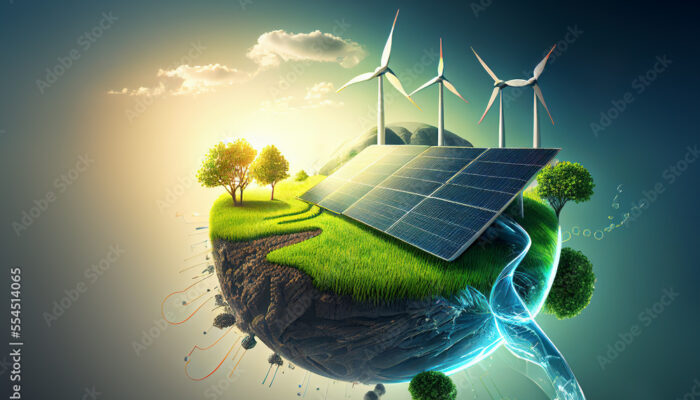
These sources, including solar, wind, hydroelectric, and geothermal power, are characterized by their ability to regenerate naturally and generally have a lower environmental impact. They are often promoted for their potential to reduce carbon emissions and preserve natural habitats. - Non-Renewable Energy:
Primarily derived from fossil fuels such as coal, oil, and natural gas, these sources are finite and associated with significant ecological damage. Their extraction and use contribute heavily to greenhouse gas emissions, accelerating global warming and environmental degradation.
Environmental Impacts of Energy Production
The consequences of energy generation extend beyond carbon emissions, encompassing broader ecological disturbances. Fossil fuel extraction often results in habitat destruction, water contamination, and biodiversity loss. For example, coal mining can drastically alter landscapes, while oil spills cause severe harm to marine life. In contrast, renewable energy systems, despite some environmental trade-offs, generally align more closely with conservation goals.
Challenges in Transitioning to Sustainable Energy
Shifting from fossil fuel dependence to renewable energy sources involves overcoming significant barriers. The entrenched economic and political frameworks built around conventional energy complicate this transition. Crafting an energy future that prioritizes sustainability requires innovative policies, substantial investment in green technologies, and active societal participation.
Another major hurdle is the intermittent nature of many renewable sources. Solar power depends on sunlight availability, and wind energy fluctuates with weather conditions. Developing effective energy storage solutions, such as advanced batteries, is essential to ensure a stable and reliable energy supply. This raises the question of how to design energy grids that efficiently integrate diverse sources to maximize performance while minimizing environmental harm.
Enhancing Energy Efficiency
Improving energy efficiency is a critical strategy in reducing environmental impact. This involves using less energy to achieve the same level of service, thereby cutting waste and emissions. Examples include upgrading building insulation and adopting energy-saving appliances. Such measures not only lessen ecological strain but also offer economic benefits, suggesting that optimizing existing infrastructure can be as transformative as adopting new technologies.
Policy and Regulatory Frameworks
Government policies and regulations play a pivotal role in shaping the energy-environment dynamic. Legislative actions can encourage cleaner energy adoption and promote energy-efficient practices. Mechanisms like carbon pricing internalize the environmental costs of fossil fuel use, incentivizing industries to shift toward greener alternatives. International agreements, such as the Paris Agreement, exemplify how global cooperation can drive national policy changes and elevate environmental standards worldwide.
The Role of Public Awareness and Civic Engagement
Educating the public about the links between energy consumption and environmental health empowers citizens to advocate for sustainable change. Grassroots movements supporting renewable energy projects have gained momentum, influencing governments and corporations to adopt eco-friendly policies. This dynamic highlights the potential of an informed populace to effect systemic reforms in energy governance and environmental stewardship.
Technological Innovations in Sustainable Energy
Advancements in technology offer promising avenues to reconcile energy demands with ecological preservation. Innovations such as smart grids, cutting-edge battery storage, and bioengineered fuels contribute to a more sustainable energy infrastructure. Additionally, emerging carbon capture and storage techniques aim to reduce the environmental footprint of fossil fuels by preventing carbon emissions from entering the atmosphere. These developments provoke the question of whether technological progress can outpace and mitigate the environmental damage caused by human activity.
Significance of the Energy-Environment Nexus
The interconnection between energy systems and environmental health presents a complex challenge that demands a multifaceted response. Achieving sustainable energy solutions requires not only technological breakthroughs but also a fundamental shift in societal values toward consumption and conservation. As climate change intensifies, integrated approaches combining policy reform, public engagement, and innovation become essential for securing a viable future.
Conclusion: Toward a Sustainable Energy Future
At this critical moment in Earth’s history, the pursuit of an energy future that harmonizes with environmental preservation is both necessary and attainable. The deep interdependence of energy and the environment calls for a comprehensive reassessment of current practices and policies. The question remains whether humanity can rise to this formidable challenge and establish a sustainable equilibrium or if inertia will hinder progress. The solution lies in collaborative, informed, and innovative efforts that inspire lasting action for generations ahead.
FAQ
What is the relationship between energy production and environmental health?
Energy production impacts environmental health through emissions, resource use, and ecological disturbances, making sustainable energy crucial for environmental protection.
Why is transitioning to renewable energy important?
Renewable energy reduces greenhouse gas emissions and environmental degradation, helping to mitigate climate change and preserve ecosystems.
What are the common environmental impacts of fossil fuels?
Fossil fuels contribute to air pollution, greenhouse gas emissions, habitat destruction, and water contamination.
How do policies influence energy and environmental outcomes?
Policies can encourage clean energy adoption, regulate emissions, and foster sustainable practices through incentives and regulations.
What role does public awareness play in sustainable energy?
Public awareness drives demand for sustainable policies and practices, empowering citizens to support renewable projects and conservation efforts.





Leave a Reply