
Short Answer
Definition of Chemical Bond Breaking
Chemical bond breaking refers to the process by which the forces holding atoms together within molecules or solids are overcome, resulting in the separation of atoms or ions. These bonds-ionic, covalent, and metallic-are essential for the structure and properties of matter. Understanding how these bonds dissociate is crucial for comprehending chemical reactions, material behavior, and energy transformations.
Types of Chemical Bonds and Their Characteristics
Chemical bonds vary in nature and strength, influencing how they break under different conditions. The three primary bond types are:
- Ionic Bonds:
Formed by electrostatic attraction between positively charged cations and negatively charged anions, typically arranged in crystalline lattices. - Covalent Bonds:
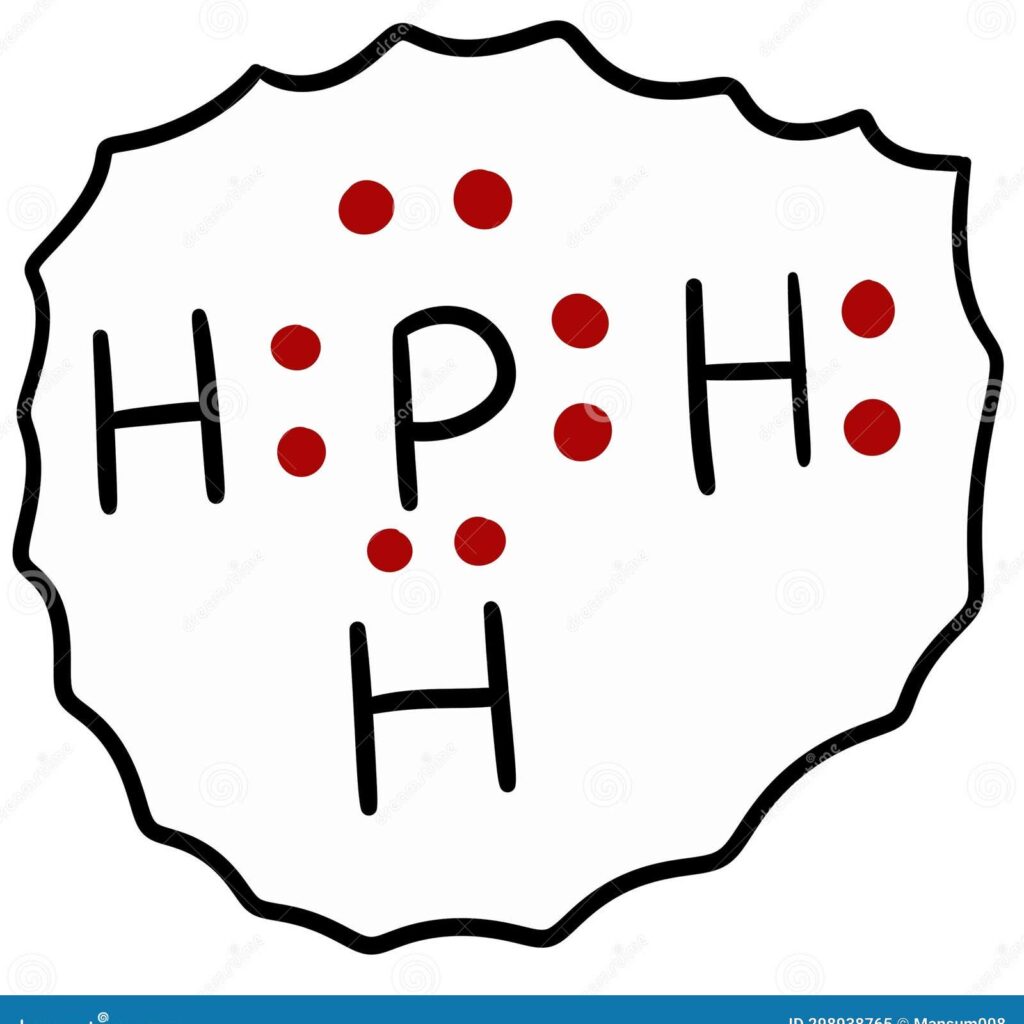
Result from the sharing of electron pairs between atoms, creating strong directional bonds within molecules. - Metallic Bonds:
Characterized by a lattice of metal cations immersed in a ‘sea’ of delocalized electrons, imparting conductivity and malleability.
Mechanisms of Breaking Ionic Bonds
Ionic bonds are predominantly disrupted by overcoming the strong electrostatic forces binding ions in a lattice. Two main pathways facilitate this:
- Dissolution in Polar Solvents:
When ionic compounds like sodium chloride (NaCl) dissolve in water, polar water molecules surround and stabilize individual ions through solvation. This process reduces lattice energy, effectively separating the ions. - Thermal Energy Application:
Heating increases the kinetic energy of ions, causing vibrations that can surpass the electrostatic attractions. The temperature needed depends on the compound’s lattice energy, reflecting bond strength.
Breaking Covalent Bonds: Homolytic and Heterolytic Cleavage
Covalent bond dissociation involves more complex mechanisms due to electron sharing. The energy required is quantified by bond dissociation energy (BDE), which varies with bond type and environment.
- Homolytic Cleavage:
This symmetrical bond breakage splits the shared electron pair evenly, producing two radicals-atoms or molecules with unpaired electrons. It often occurs under UV light or heat, which excites electrons and increases molecular motion. For example, UV irradiation of chloromethane (CH3Cl) can generate chlorine and methyl radicals. - Heterolytic Cleavage:
In this uneven bond rupture, one atom retains both bonding electrons, forming a cation and an anion. Polar solvents stabilize these charged species through solvation. Heterolytic cleavage is fundamental in many organic reaction mechanisms, such as nucleophilic substitution and elimination reactions.
External factors like chemical reagents and catalysts can facilitate covalent bond breaking by supplying energy or lowering activation barriers, thereby influencing reaction rates and pathways.
Disruption of Metallic Bonds
Metallic bonds differ from ionic and covalent bonds due to the delocalized nature of their electrons. Their breaking involves:
- Thermal Effects:
Heating metals increases atomic vibrations, weakening the metallic lattice and enhancing plasticity. - Mechanical Stress:
Physical forces such as hammering or stretching cause atoms to rearrange within the lattice without fracturing, enabling metals to be shaped and formed.
Energetics Behind Bond Dissociation
The energy required to break chemical bonds is a pivotal factor in determining reaction feasibility and dynamics. Bond dissociation energy (BDE) quantifies the strength of a bond and the energy needed for its cleavage. Chemical reactions proceed when the overall energy change-considering both bond breaking and bond formation-is favorable.
- Exothermic Reactions:
Release energy as new bonds form, often making the process spontaneous. - Endothermic Reactions:
Absorb energy to break bonds, requiring external energy input.
Catalysts influence these energetics by providing alternative reaction pathways with lower activation energies, accelerating reactions without altering the net energy change between reactants and products.
Practical Applications and Significance
Understanding how chemical bonds break is foundational across multiple scientific disciplines. It enables the design of new materials, the development of pharmaceuticals, and the elucidation of biological processes. For instance, controlling bond dissociation is essential in synthetic chemistry to create desired compounds, while in biochemistry, it explains enzyme function and metabolic pathways.
Common Misconceptions About Bond Breaking
All bonds break by simply applying heat.
While heat can break many bonds, some require light (photolysis), chemical reagents, or catalysts to dissociate effectively.
Bond breaking always produces neutral atoms.
Depending on the cleavage type, bond breaking can yield charged ions (heterolytic cleavage) or radicals (homolytic cleavage).
Catalysts change the energy content of reactants and products.
Catalysts lower the activation energy but do not alter the overall energy difference between reactants and products.
FAQ
What is bond dissociation energy?
Bond dissociation energy is the amount of energy required to break a specific chemical bond homolytically.
Why are ionic bonds broken by solvation?
Ionic bonds are broken by solvation because polar solvents surround and stabilize individual ions, reducing lattice energy and separating the ions.
Can mechanical processes break metallic bonds?
Yes, mechanical stress such as hammering or stretching can break metallic bonds by rearranging atoms within the metal lattice.
What determines the temperature required to break ionic bonds?
The lattice energy of the ionic compound determines the temperature needed to supply sufficient thermal energy to break ionic bonds.





Leave a Reply