
Short Answer
Definition of Photon Counting in Frog Vision
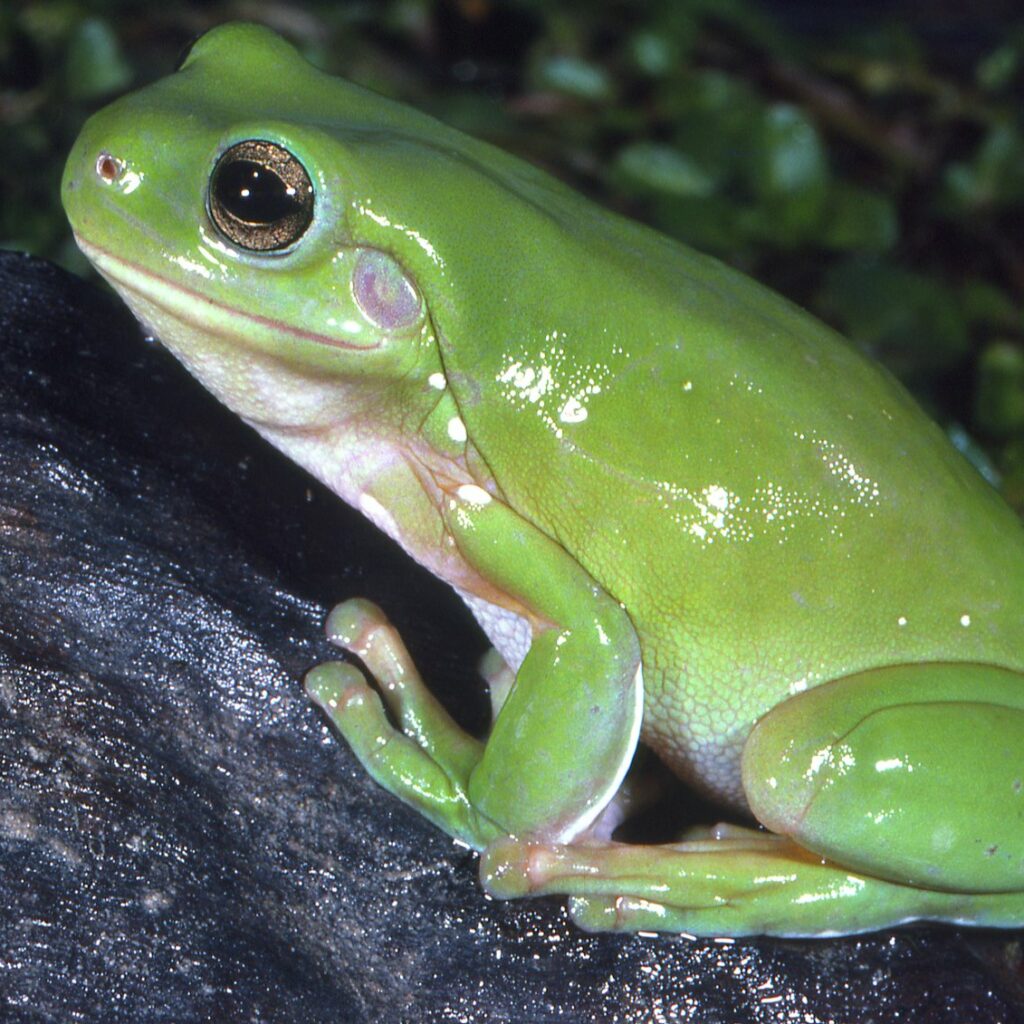
Photon counting in the context of frog vision refers to the biological process by which a frog’s eye detects and quantifies individual photons-the fundamental particles of light-enabling visual perception. This phenomenon highlights the remarkable sensitivity of amphibian eyes, particularly under low-light conditions, and underscores the specialized adaptations that allow frogs to interpret their environment effectively.
Anatomical Adaptations of the Frog Eye
The structure of a frog’s eye is intricately designed to optimize light capture, especially in dim environments such as wetlands and nocturnal habitats. Key anatomical features include:
- Large Spherical Cornea:
Frogs possess a relatively large, curved cornea that enhances the entry and refraction of light, increasing the number of photons directed toward the retina. - Tapetum Lucidum:
Positioned behind the retina, this reflective layer bounces unabsorbed photons back through the photoreceptor cells, effectively giving photons a second chance to be detected and improving vision in low-light settings.
Photoreceptor Cells and Their Role
Within the retina, frogs primarily rely on rod cells, which are highly sensitive to light, to detect photons. These cells outnumber cones in frogs, reflecting their adaptation to nocturnal and low-light environments. Rod cells enable frogs to perceive minimal light stimuli, far exceeding the sensitivity of human vision.
Phototransduction Mechanism
The process by which rod cells convert light into electrical signals involves a complex biochemical cascade:
- Rhodopsin Activation:
Rhodopsin, a photopigment composed of the protein opsin and the chromophore retinal (derived from vitamin A), undergoes a conformational change upon absorbing a single photon. - Signal Amplification:
This change triggers a phototransduction cascade that hyperpolarizes the rod cell membrane, generating an electrical signal that is transmitted to the brain.
This cascade allows frogs to detect as few as five photons, demonstrating extraordinary sensitivity.
Neural Processing and Visual Interpretation
Frogs employ sophisticated neural strategies to distinguish meaningful visual signals from background noise:
- Lateral Inhibition:
Neighboring photoreceptor cells inhibit each other’s signals, enhancing contrast and enabling frogs to detect prey against complex backgrounds. - Signal Integration:
The brain processes amplified electrical signals from rod cells to form coherent visual images, facilitating navigation and hunting in low-light conditions.
Ecological and Evolutionary Perspectives
Frog eye adaptations vary according to ecological niches, reflecting evolutionary pressures:
- Habitat-Specific Variations:
Arboreal frogs often have larger, forward-facing eyes to improve depth perception, while aquatic species may have eyes positioned laterally to enhance peripheral vision. - Evolutionary Drivers:
These adaptations likely evolved in response to predation risks, prey detection needs, and environmental light availability.
Environmental Impact on Frog Vision
Changes in environmental conditions pose challenges to the delicate visual systems of frogs:
- Climate Change and Habitat Alteration:
Shifts in light availability due to habitat destruction or pollution can disrupt the photon detection efficiency of frogs. - Adaptive Capacity:
Ongoing research investigates how frogs’ visual systems may adjust to fluctuating environments, providing insights into amphibian resilience.
Why Understanding Frog Photon Counting Is Important
Studying how frogs count photons enriches our comprehension of sensory biology and evolutionary adaptation. It reveals the intricate interplay between anatomical structures, molecular mechanisms, and environmental factors that shape vision. This knowledge not only advances biological sciences but also informs conservation efforts by highlighting the sensitivity of amphibians to ecological changes.
Summary
The ability of frogs to detect and count photons exemplifies a sophisticated biological system finely tuned for survival in diverse and often challenging light environments. From the large cornea and reflective tapetum lucidum to the molecular dynamics within rod cells and neural processing strategies, each component contributes to a highly sensitive visual apparatus. These adaptations underscore the evolutionary ingenuity of amphibians and provide a valuable model for understanding vision across species.
FAQ
What is photon counting in frog vision?
Photon counting in frog vision refers to the ability of frogs to detect and quantify individual photons, allowing them to perceive their environment effectively, especially in low-light conditions.
How do frog eyes adapt for low-light vision?
Frog eyes are equipped with a large spherical cornea and a tapetum lucidum, which enhance light capture and improve vision in dim environments.
What are rod cells and their role in frog vision?
Rod cells in frogs are highly sensitive photoreceptors that enable them to detect minimal light stimuli, crucial for their survival in nocturnal habitats.




Leave a Reply