
Short Answer
Definition and Overview of Graphene
Graphene is a single-atom-thick layer of carbon atoms arranged in a two-dimensional honeycomb lattice. Since its groundbreaking isolation in 2004, this carbon allotrope has captivated scientists and engineers due to its extraordinary physical and chemical properties. As a material, graphene represents a new frontier in nanotechnology and materials science, offering unprecedented opportunities for innovation across multiple industries.
Fundamental Properties of Graphene
Mechanical Strength
Graphene is renowned for its exceptional mechanical strength. It exhibits a tensile strength near 130 gigapascals, positioning it among the strongest materials ever discovered. To put this into perspective, graphene is over 200 times stronger than conventional steel, yet it remains incredibly lightweight. This remarkable strength-to-weight ratio makes graphene highly attractive for applications where durability and weight reduction are critical, such as in aerospace and automotive engineering.
Electrical Conductivity
One of graphene’s standout features is its superior electrical conductivity. It surpasses traditional conductive materials by several orders of magnitude, thanks to its high carrier mobility. This property is particularly valuable as electronic components continue to shrink in size, demanding materials that maintain performance at the nanoscale. Graphene’s potential to revolutionize semiconductor technology is significant, although integrating it into existing manufacturing workflows presents substantial technical challenges.
Thermal Conductivity
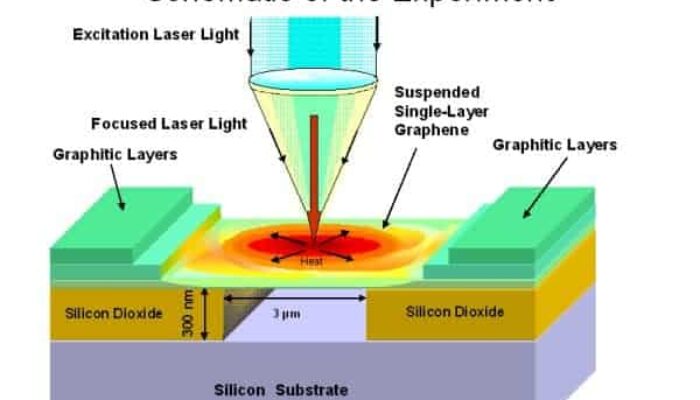
Graphene also excels in thermal management, boasting a thermal conductivity of approximately 5000 W/mK, which is among the highest recorded for any material. This makes it an ideal candidate for improving heat dissipation in electronic devices, where overheating can limit performance and lifespan. The ability to efficiently transfer heat could lead to breakthroughs in thermal interface materials and cooling technologies.
Optical Characteristics
Beyond mechanical and electrical properties, graphene exhibits unique optical behaviors. Despite being only one atom thick, it can absorb light across a wide spectrum, enabling potential applications in photonics. This includes the development of advanced photodetectors, solar energy devices, and quantum dot technologies. However, tailoring graphene’s electronic band structure through doping or patterning to optimize these optical properties remains an active area of research.
Graphene Synthesis and Environmental Considerations
Producing high-quality graphene at scale remains a significant hurdle. Common synthesis methods such as mechanical exfoliation and chemical vapor deposition (CVD) have environmental and economic drawbacks. Mechanical exfoliation, while producing pristine graphene, is not scalable, and CVD involves energy-intensive processes and chemical precursors. Emerging green synthesis techniques, including biogenic methods, offer promising sustainable alternatives but require further validation to ensure they meet industrial standards for quality and yield.
Commercialization and Intellectual Property Landscape
The commercial exploitation of graphene is still in its infancy, with numerous patents filed across diverse applications-from composite materials to biomedical devices. This competitive patent environment influences the pace and direction of innovation. Additionally, ethical considerations surrounding equitable access and responsible development of graphene technologies are gaining attention. Balancing intellectual property rights with open scientific collaboration will be crucial for fostering sustainable growth in this sector.
Challenges and Future Outlook
Despite its extraordinary attributes, graphene faces several obstacles before it can achieve widespread adoption. Technical difficulties in large-scale production, integration into existing manufacturing processes, and cost-effectiveness remain significant barriers. Moreover, the scientific community continues to debate whether graphene will dominate future material markets or if its limitations will restrict its impact. Maintaining a balanced perspective that acknowledges both the potential and the challenges is essential for guiding future research and development.
Why Graphene Is Important
Graphene’s unique combination of strength, conductivity, thermal management, and optical properties positions it as a transformative material with the potential to revolutionize multiple fields, including electronics, energy, aerospace, and photonics. Its development could lead to lighter, faster, and more efficient technologies, impacting everyday life and advancing scientific progress. Understanding and overcoming the challenges associated with graphene will be key to unlocking its full potential and shaping the future of material science.
FAQ
What is graphene?
Graphene is a single layer of carbon atoms arranged in a two-dimensional honeycomb lattice, known for its exceptional properties.
What are the main properties of graphene?
Graphene exhibits exceptional mechanical strength, high electrical and thermal conductivity, and unique optical characteristics.
What are the applications of graphene?
Graphene has potential applications in electronics, energy storage, aerospace, and biomedical devices.






Leave a Reply