
Short Answer
Definition of Antarctic Glacier Melting
The Antarctic region, renowned for its vast icy landscapes and extreme conditions, is currently undergoing a critical environmental transformation. This transformation is characterized by the rapid melting of glaciers, primarily driven by human-induced climate change. The phenomenon involves the accelerated loss of ice mass from the continent’s glaciers, which has significant global repercussions beyond Antarctica’s borders.
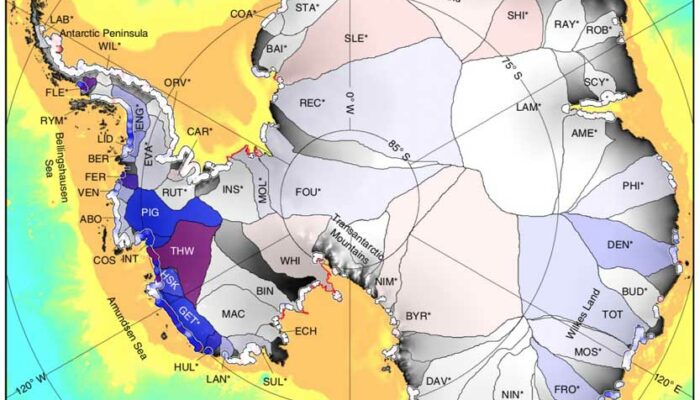
Scientific Background: Glaciology and Antarctic Ice Sheets
Glaciers are enormous accumulations of compacted ice situated on land, serving as sensitive barometers of climate variations. Antarctica’s ice is primarily divided into two major ice sheets:
- West Antarctic Ice Sheet (WAIS):
This section is less stable due to its unique topography, which allows warmer ocean waters to infiltrate beneath the ice, hastening basal melting. - East Antarctic Ice Sheet (EAIS):
Generally more stable and extensive, this ice sheet is less vulnerable to immediate warming effects but remains critical to global sea levels.
Glaciologists emphasize that the WAIS’s instability poses a significant risk because of its susceptibility to ocean-driven melting processes.
Mechanisms Behind Glacier Melting
The melting of Antarctic glaciers is driven by a combination of surface melting and increased calving-the breaking off of ice chunks from glacier edges. Rising global temperatures intensify these processes. Warm ocean currents erode the ice from below, while atmospheric warming accelerates surface melt. Satellite data reveal that Antarctica loses roughly 250 billion tons of ice annually, with glaciers like Thwaites and Pine Island retreating rapidly, contributing notably to sea-level rise.
Projected Impact on Global Sea Levels
Climate projections indicate that if greenhouse gas emissions continue unabated, the Antarctic ice sheet could raise global sea levels by over three meters by 2100. This rise threatens millions of people living in coastal regions worldwide, potentially causing widespread displacement and damage to infrastructure. The economic costs of such changes are immense, and the intrusion of saltwater into freshwater systems could disrupt ecosystems dependent on these resources.
Ecological Effects of Glacier Retreat
The recession of glaciers exposes previously ice-covered land, creating new habitats but also disturbing existing ecological balances. Changes in freshwater input and salinity affect marine life distribution, altering food webs and species composition. Cold-adapted species, such as the Adélie penguin and Antarctic krill, face heightened survival challenges as their stable, frigid environments warm, threatening biodiversity unique to this region.
Socio-Economic Challenges and Adaptation
Coastal governments confront escalating pressures to devise adaptive measures against rising sea levels. The financial burden of inaction could reach trillions of dollars, emphasizing the need for investment in resilient infrastructure, enhanced flood defenses, and comprehensive disaster preparedness. Effective adaptation demands international cooperation and cross-sector collaboration to manage the multifaceted risks posed by Antarctic ice loss.
Psychological and Community Impacts
The looming threat of sea-level rise also carries psychological consequences for affected populations. Anxiety, uncertainty, and stress related to potential displacement and loss of community are prevalent. Engaging communities in climate adaptation efforts can empower individuals, fostering resilience and reducing mental health burdens through collective action and shared goals.
Communication and Interdisciplinary Approaches
Addressing the Antarctic glacier crisis requires evolving scientific communication that integrates empirical data with human experiences. Public education and outreach are vital to galvanize grassroots support and political commitment. Incorporating insights from sociology, psychology, and economics enriches the discourse, enabling a holistic understanding of climate impacts and adaptive strategies.
Mitigation Strategies and Global Cooperation
To alter the current trajectory, global initiatives must focus on drastically cutting greenhouse gas emissions. Priorities include transitioning to renewable energy, enhancing energy efficiency, and promoting sustainable practices worldwide. International collaboration is essential, as climate change transcends national boundaries. Adhering to agreements like the Paris Accord is critical for achieving a sustainable future and limiting further Antarctic ice loss.
Conclusion: The Broader Significance of Antarctic Glacier Melting
The ongoing melting of Antarctic glaciers symbolizes the extensive challenges posed by global climate change. These glaciers serve as vital indicators of planetary health, and their decline signals urgent environmental, ecological, socio-economic, and psychological concerns. A comprehensive, integrated response that combines scientific research, ecological conservation, socio-economic planning, and mental health support is imperative. Immediate and cooperative action is crucial to mitigate the profound risks ahead and safeguard both the Antarctic environment and global communities.
FAQ
What makes the West Antarctic Ice Sheet more vulnerable to melting?
The WAIS is more vulnerable due to its unique topography that allows warm ocean waters to infiltrate beneath the ice, accelerating melting from below.
How does glacier melt affect marine ecosystems in Antarctica?
Glacier melt changes salinity and freshwater influx, disrupting marine species distribution and threatening cold-adapted wildlife like Adélie penguins and krill.
What socio-economic challenges arise from Antarctic glacier melting?
Rising sea levels threaten coastal infrastructure, cause displacement, increase economic costs for adaptation, and create psychological stress in affected communities.
Why is international cooperation critical in addressing Antarctic glacier melt?
Because climate change impacts are global, coordinated international policies and efforts are essential to reduce emissions and implement effective mitigation strategies.




Leave a Reply