
Short Answer
Definition of Geothermal Energy from Radioactive Granite
Geothermal energy refers to the process of capturing the Earth’s internal heat to generate sustainable power. A fascinating subset of this energy source involves extracting heat from radioactive granite formations beneath the Earth’s surface. These rocks, enriched with naturally occurring radioactive elements, serve as potential reservoirs of thermal energy, offering an innovative approach to renewable energy production.
Geological Characteristics of Radioactive Granite
Granite is an igneous rock primarily composed of quartz, feldspar, and mica. Certain granite deposits contain trace amounts of radioactive elements such as uranium, thorium, and potassium. The radioactive decay of these elements produces heat, which raises the temperature of the surrounding rock mass. This intrinsic heat generation makes radioactive granite a promising candidate for geothermal energy extraction, especially in areas lacking conventional geothermal resources.
Thermal Gradient and Heat Generation
The thermal gradient describes how temperature increases with depth beneath the Earth’s surface. Typically, the temperature rises by about 25 to 30 degrees Celsius per kilometer in the Earth’s crust. However, in regions with abundant radioactive granite, this gradient can be significantly higher, sometimes reaching 50 to 70 degrees Celsius per kilometer. This elevated thermal gradient enhances the feasibility of harnessing geothermal energy from these rock formations.
Techniques for Extracting Geothermal Energy from Radioactive Granite
Extracting heat from radioactive granite involves overcoming several geological and engineering challenges. Unlike traditional geothermal systems that rely on naturally occurring steam or hot water in porous rocks, radioactive granite is often hot but dry. To address this, Enhanced Geothermal Systems (EGS) are employed, which involve injecting water into the hot, impermeable granite to create steam. This steam can then be used to drive turbines for electricity generation.
- Enhanced Geothermal Systems (EGS):
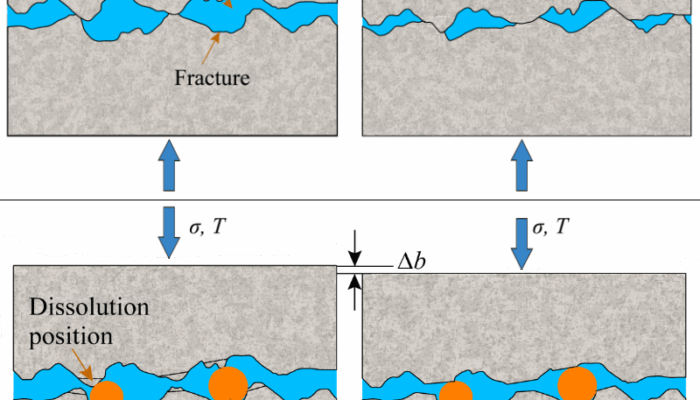
Water is injected under high pressure to fracture the granite, allowing heat transfer and steam production. - Hydraulic Fracturing:
Also known as ‘fracking,’ this method creates artificial fractures in the rock to improve permeability and heat extraction efficiency.
Environmental and Safety Considerations
While geothermal energy from radioactive granite offers a renewable energy source, it also raises environmental concerns. The presence of radioactive materials necessitates careful management to prevent radiation exposure and contamination. Potential risks include groundwater pollution and the release of radon gas during drilling and extraction. Implementing rigorous environmental monitoring and adhering to strict safety regulations are essential to mitigate these hazards.
Community Engagement and Public Perception
Public acceptance is crucial for the successful deployment of geothermal projects involving radioactive granite. Historical associations with nuclear energy and radioactive waste may cause apprehension among local communities. Educational outreach and transparent communication about the safety measures and benefits of geothermal energy can help build trust and foster community support.
Scientific Research and Future Prospects
Ongoing research focuses on improving drilling technologies, enhancing reservoir stimulation methods, and developing advanced monitoring systems to ensure environmental safety. Interdisciplinary collaboration is vital to address the technical and ecological challenges associated with geothermal energy extraction from radioactive granite. These advancements could significantly expand the role of geothermal energy in the global renewable energy portfolio.
Real-World Applications and Case Studies
Several experimental projects have explored the use of hydraulic fracturing to enhance geothermal reservoirs in granite formations. These initiatives aim to increase heat extraction efficiency while carefully assessing geological stability and the risk of induced seismicity. Such case studies provide valuable insights into the practical implementation and long-term viability of this energy source.
Common Misconceptions
Radioactive granite geothermal energy poses the same risks as nuclear power.
Unlike nuclear reactors, geothermal systems do not involve chain reactions or nuclear waste, and radiation exposure is minimal with proper safeguards.
Hydraulic fracturing for geothermal energy is inherently unsafe.
When carefully managed and monitored, hydraulic fracturing can be conducted safely, minimizing environmental and seismic risks.
Importance of Harnessing Geothermal Energy from Radioactive Granite
Utilizing the Earth’s internal heat from radioactive granite offers a sustainable and low-carbon energy source that can complement other renewable technologies. This approach has the potential to provide reliable baseload power, reduce dependence on fossil fuels, and contribute to global efforts to combat climate change. Balancing technological innovation with environmental stewardship and community involvement is key to unlocking this resource’s full potential.
FAQ
What is geothermal energy from radioactive granite?
It is a method of harnessing the Earth's internal heat from granite that contains radioactive elements, which decay and produce heat.
What are Enhanced Geothermal Systems (EGS)?
EGS involves injecting water into hot, dry granite to create steam, which can be used to generate electricity.
What environmental concerns are associated with this energy source?
Concerns include potential radiation exposure, groundwater pollution, and the release of radon gas.
How does hydraulic fracturing relate to geothermal energy?
Hydraulic fracturing creates fractures in granite to improve heat extraction efficiency.






Leave a Reply